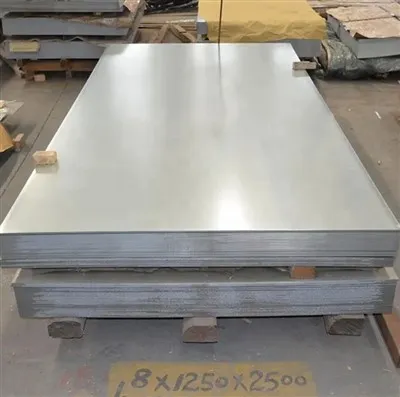
Stainless steel has long been a cornerstone in the construction industry, and among its various grades, Ss304 Plate stands out as a popular choice for building facades. As a supplier of Ss304 Plate, I have witnessed firsthand its versatility and the numerous benefits it brings to architectural projects. In this blog, I will delve into how Ss304 Plate is used in building facades, exploring its properties, applications, and advantages.
Properties of Ss304 Plate
Ss304 Plate is a type of austenitic stainless steel that contains approximately 18% chromium and 8% nickel. These alloying elements give it excellent corrosion resistance, making it suitable for use in a wide range of environments, including coastal areas where saltwater can cause significant damage to other materials. Additionally, Ss304 Plate has good formability and weldability, allowing it to be easily fabricated into various shapes and sizes to meet the specific design requirements of building facades.
Another important property of Ss304 Plate is its high strength-to-weight ratio. This means that it can provide structural support while being relatively lightweight, reducing the overall load on the building's foundation. This is particularly beneficial for high-rise buildings and structures where weight is a critical factor.
Applications in Building Facades
Cladding
One of the most common applications of Ss304 Plate in building facades is as cladding. Cladding refers to the outer layer of a building that provides protection from the elements and enhances its aesthetic appeal. Ss304 Plate can be used to create a sleek and modern look for the building, with its smooth surface reflecting light and adding a sense of sophistication.
There are several types of cladding systems that can incorporate Ss304 Plate, including curtain wall systems, rainscreen systems, and panel systems. Curtain wall systems are typically used in high-rise buildings and consist of a framework of aluminum or steel that supports the Ss304 Plate panels. Rainscreen systems, on the other hand, are designed to allow water to drain away from the building's exterior, preventing moisture buildup and potential damage. Panel systems are a more flexible option, allowing for a variety of shapes and sizes to be used to create unique and customized facades.
Decorative Elements
In addition to cladding, Ss304 Plate can also be used to create decorative elements on building facades. These elements can range from simple trim and accents to elaborate sculptures and art installations. The versatility of Ss304 Plate allows architects and designers to unleash their creativity and add a unique touch to the building's exterior.
For example, Ss304 Plate can be laser-cut or engraved to create intricate patterns and designs. These patterns can be used to add visual interest to the facade or to convey a specific message or theme. Additionally, Ss304 Plate can be polished or brushed to achieve different surface finishes, further enhancing its aesthetic appeal.
Structural Support
Ss304 Plate can also provide structural support for building facades. In some cases, it can be used as a load-bearing element, such as in the construction of canopies or balconies. Its high strength and corrosion resistance make it a reliable choice for these applications, ensuring the long-term stability and safety of the structure.
Advantages of Using Ss304 Plate in Building Facades
Durability
One of the primary advantages of using Ss304 Plate in building facades is its durability. As mentioned earlier, its corrosion resistance makes it suitable for use in harsh environments, ensuring that the facade will remain in good condition for many years. This reduces the need for frequent maintenance and replacement, saving both time and money in the long run.
Aesthetic Appeal
Ss304 Plate offers a wide range of aesthetic options, allowing architects and designers to create facades that are both functional and visually appealing. Its smooth surface and reflective properties can add a modern and sophisticated look to the building, while its ability to be fabricated into various shapes and sizes allows for endless design possibilities.
Sustainability
In today's environmentally conscious world, sustainability is an important consideration in building design. Ss304 Plate is a sustainable material that can be recycled at the end of its life cycle, reducing its impact on the environment. Additionally, its energy-efficient properties can help to reduce the building's energy consumption, further contributing to its sustainability.
Cost-Effectiveness
While the initial cost of Ss304 Plate may be higher than some other materials, its long-term cost-effectiveness makes it a worthwhile investment. Its durability and low maintenance requirements mean that it will last longer and require less frequent replacement, resulting in significant cost savings over the life of the building.
Comparison with Other Stainless Steel Grades
When considering the use of stainless steel for building facades, it's important to compare Ss304 Plate with other grades to determine the best option for your project. Two other commonly used grades are 303 Stainless Plate and 309 Stainless Steel Plate.
303 Stainless Plate is known for its excellent machinability, making it a good choice for applications that require precision machining. However, it has lower corrosion resistance compared to Ss304 Plate, which may limit its use in certain environments.
309 Stainless Steel Plate, on the other hand, has higher heat resistance and corrosion resistance than Ss304 Plate. It is often used in applications where high temperatures and corrosive environments are present, such as in industrial buildings and power plants. However, its higher cost may make it less suitable for some building facade projects.
Conclusion
In conclusion, Ss304 Plate is a versatile and reliable material that offers numerous benefits for building facades. Its properties, including corrosion resistance, formability, and high strength-to-weight ratio, make it suitable for a wide range of applications, from cladding to decorative elements and structural support. Its durability, aesthetic appeal, sustainability, and cost-effectiveness also make it a popular choice among architects, designers, and building owners.


If you are considering using Ss304 Plate for your next building facade project, I encourage you to contact us to discuss your specific requirements. Our team of experts can provide you with detailed information and guidance to help you make the best decision for your project. We look forward to working with you to create a beautiful and functional building facade that will stand the test of time.
References
- ASM Handbook Committee. (2004). ASM Handbook, Volume 13A: Corrosion: Fundamentals, Testing, and Protection. ASM International.
- Schaeffler, A. L. (1949). Constitution diagram for stainless steel weld metals. Welding Journal, 28(11), 601s-606s.
- Stainless Steel World. (2019). Stainless steel in architecture. Retrieved from https://www.stainless-steel-world.net/article/11133/stainless-steel-in-architecture