Hey there! I'm a supplier of Z Section Steel, and I've been in this industry for quite a while. One question I get asked a lot is how to ensure the compatibility between Z Section Steel and other materials. Well, I'm here to share some tips and insights based on my experience.
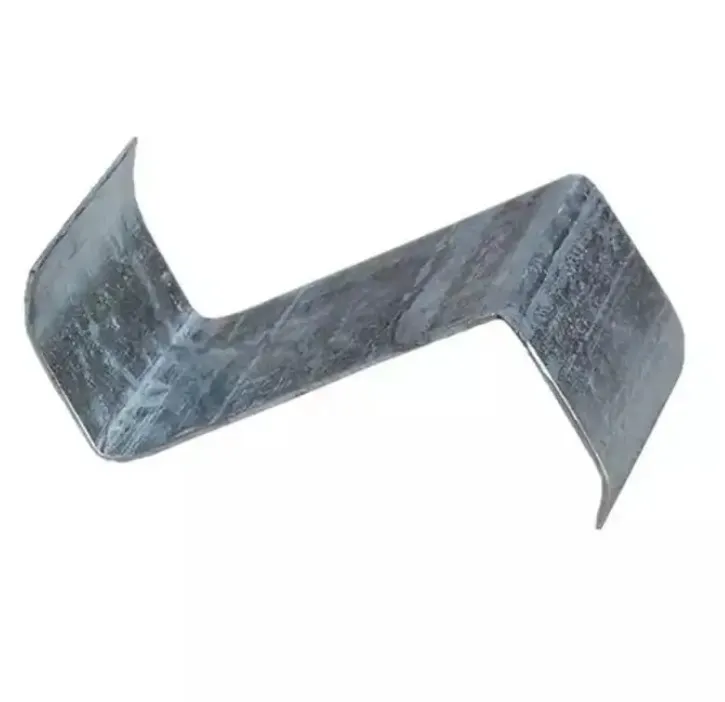
First off, let's talk a bit about Z Section Steel. If you're not familiar with it, you can check out Z Section Steel. It's a popular choice in construction and other industries because of its unique shape and properties. The Z shape provides good strength and stability, making it suitable for various applications, such as roofing, wall framing, and more.
Understanding the Properties of Z Section Steel
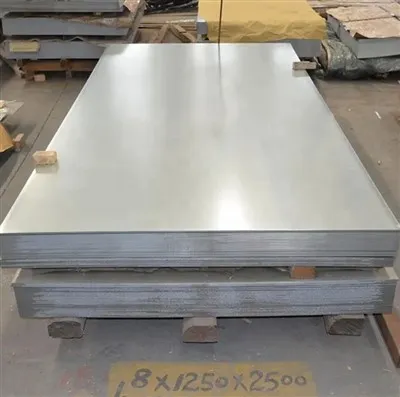
Before we dive into compatibility, it's important to understand the properties of Z Section Steel. It's typically made of steel, which means it has high strength and durability. However, steel can be prone to corrosion, especially in certain environments. That's why many Z Section Steels are galvanized to protect them from rust.
The thickness and dimensions of Z Section Steel also play a crucial role. Different applications may require different thicknesses and sizes. For example, if you're using it for a small shed, a thinner gauge might be sufficient. But for a large industrial building, you'll need a thicker and more robust Z Section Steel.
Compatibility with Galvanised C Section Channel
One common material that Z Section Steel is often used with is Galvanised C Section Channel. These two materials are often used together in construction projects, especially for framing.
When it comes to compatibility, the first thing to consider is the size and shape. Make sure the dimensions of the Z Section Steel and the Galvanised C Section Channel match up. This will ensure a proper fit and a strong connection. For example, if the Z Section Steel has a certain width, the C Section Channel should have a corresponding width to allow for easy installation.
Another important factor is the surface treatment. Since both are galvanized, they have a similar protective coating. This is great because it means they'll have similar corrosion resistance. However, you still need to be careful during installation to avoid damaging the galvanized layer. Any scratches or chips can expose the steel to the elements and lead to corrosion.
Compatibility with Formed Steel Channel
Formed Steel Channel is another material that Z Section Steel can be paired with. Formed Steel Channels come in various shapes and sizes, and they can be used in different ways, such as for support or as a guide.

When using Z Section Steel with Formed Steel Channel, you need to pay attention to the load-bearing capacity. Both materials should be able to handle the expected loads. For example, if you're using them in a structure that will support heavy equipment, you need to make sure the combined strength of the Z Section Steel and the Formed Steel Channel is sufficient.
The connection method is also crucial. You can use bolts, welding, or other fastening methods. However, you need to ensure that the connection is strong and secure. If the connection is weak, it can lead to structural problems over time.
Compatibility with Non - Steel Materials
Z Section Steel can also be used with non - steel materials, such as wood or concrete. When using it with wood, you need to consider the different expansion and contraction rates. Wood expands and contracts with changes in humidity, while steel has a much lower rate of expansion. This means you need to use proper fasteners and connection methods to allow for some movement without causing damage.
When using Z Section Steel with concrete, you need to ensure a good bond. This can be achieved by using proper anchoring systems. The surface of the Z Section Steel may need to be treated to improve the adhesion to the concrete.
Testing and Quality Control
To ensure the compatibility between Z Section Steel and other materials, it's important to conduct some tests. You can perform load tests to check the combined strength of the materials. You can also do corrosion tests to see how the materials perform in different environments.
Quality control is also essential. Make sure you're using high - quality Z Section Steel and other materials. Inspect the materials before installation to check for any defects or damage.
Installation Tips
During installation, it's important to follow the manufacturer's instructions. Use the right tools and techniques. For example, when using bolts to connect Z Section Steel to other materials, make sure you tighten them to the correct torque.
Also, be careful with the alignment. Proper alignment ensures that the materials work together effectively. If the alignment is off, it can put unnecessary stress on the materials and lead to premature failure.
Conclusion
Ensuring the compatibility between Z Section Steel and other materials is crucial for the success of any project. By understanding the properties of Z Section Steel, considering the size, shape, surface treatment, and load - bearing capacity of other materials, and following proper installation and testing procedures, you can achieve a strong and reliable connection.
If you're interested in purchasing Z Section Steel or have any questions about its compatibility with other materials, feel free to reach out. I'm always here to help you make the right choices for your project.
References
- Steel Construction Manual, American Institute of Steel Construction
- Handbook of Corrosion Engineering, NACE International