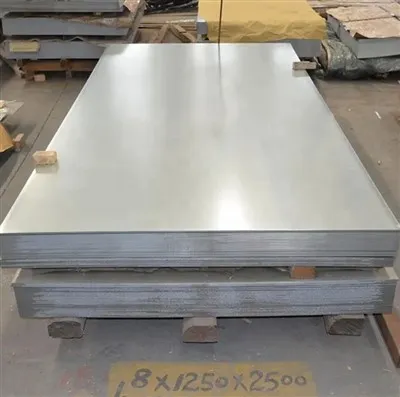
As a supplier of high - quality copper sheets, I often get asked whether copper sheets can be used for electrical wiring. In this blog post, I'll delve into this question, exploring the properties of copper, the requirements for electrical wiring, and the practicality of using copper sheets in this context.
Properties of Copper in Electrical Applications
Copper is a well - known metal in the electrical industry, and for good reasons. First and foremost, copper has excellent electrical conductivity. It has a low electrical resistivity, which means that it allows electric current to flow through it with relatively little resistance. This property is crucial in electrical wiring because lower resistance results in less energy loss in the form of heat. When electricity passes through a conductor, some of the electrical energy is converted into heat according to Joule's law ((P = I^{2}R), where (P) is the power dissipated as heat, (I) is the current, and (R) is the resistance). With copper's low resistance, less energy is wasted as heat, making it an efficient choice for conducting electricity.
Another important property of copper is its ductility. Ductility refers to a material's ability to be drawn into thin wires without breaking. Copper can be easily drawn into fine wires, which is essential for creating electrical wiring. The ability to make thin wires allows for more flexible and compact wiring installations, which is particularly useful in modern electrical systems where space is often limited.
Copper also has good corrosion resistance. In electrical applications, corrosion can cause problems such as increased resistance and even electrical failures. Since copper forms a protective oxide layer on its surface when exposed to air, it can resist corrosion to a certain extent, ensuring the long - term stability of the electrical connection.
Requirements for Electrical Wiring
Electrical wiring needs to meet several key requirements. Safety is of utmost importance. Wiring must be able to handle the expected electrical load without overheating, which could lead to fires or damage to electrical equipment. This means that the cross - sectional area of the wire must be appropriate for the amount of current it will carry. A wire with too small a cross - sectional area will have a higher resistance and will heat up more under a given current, posing a safety risk.
Flexibility is also a requirement, especially in applications where the wiring needs to be bent or routed around obstacles. Flexible wiring is easier to install and can adapt to different installation environments.
In addition, electrical wiring should be able to maintain its electrical properties over time. It should resist environmental factors such as moisture, chemicals, and mechanical stress, which could degrade its performance.
Using Copper Sheets for Electrical Wiring
Advantages
- Customization: One of the main advantages of using copper sheets for electrical wiring is the potential for customization. Copper sheets can be cut, shaped, and formed into various sizes and configurations to meet specific wiring needs. For example, in some custom - built electrical systems or prototypes, copper sheets can be tailored to fit unique geometries or to create custom - shaped conductors. You can find a wide range of Copper Sheet Plate options on our website that can be used as a starting point for such customizations.
- High Conductivity: As mentioned earlier, copper has excellent electrical conductivity. A copper sheet, when properly used, can provide a large surface area for current flow, which can be beneficial in applications where high - current carrying capacity is required. In some industrial electrical installations, large - area copper sheets can be used to distribute power more evenly.
- Availability: Copper sheets are relatively easy to obtain. As a copper sheet supplier, I can attest to the fact that there is a wide range of copper sheet products available in the market, with different thicknesses, purities, and surface finishes. This availability makes it possible to source the right copper sheet for electrical wiring projects.
Disadvantages
- Lack of Flexibility: Unlike traditional electrical wires, copper sheets are not inherently flexible. Bending a copper sheet into complex shapes or routing it through tight spaces can be challenging. In most electrical installations, flexibility is a key requirement, especially in residential and commercial buildings where wiring needs to be installed in walls, ceilings, and other confined spaces.
- Insulation: Electrical wiring typically comes with an insulating layer to prevent electrical shocks and short - circuits. Applying an appropriate insulation to a copper sheet can be more difficult compared to insulating a wire. Specialized insulation materials and techniques may be required, which can increase the complexity and cost of the wiring installation.
- Standardization: The electrical industry has well - established standards for electrical wiring in terms of size, conductivity, and safety. Copper sheets may not always conform to these standards, which can make it difficult to ensure compliance in electrical installations. This lack of standardization can also pose challenges in terms of compatibility with other electrical components.
Practical Applications of Copper Sheets in Electrical Systems
While using copper sheets directly as traditional electrical wiring may have limitations, there are several practical applications of copper sheets in electrical systems.
Busbars
Copper sheets are commonly used to make busbars. Busbars are conductors that are used to distribute electrical power within a switchboard, panel, or other electrical equipment. They can handle large amounts of current and are designed to provide a low - resistance path for electricity. The large surface area of copper sheets makes them ideal for this application, as it allows for efficient heat dissipation and current distribution. Our Thick Copper Plate products are well - suited for making high - quality busbars.
Grounding Systems
Copper sheets can also be used in grounding systems. Grounding is an important safety measure in electrical systems, as it provides a path for electrical current to flow safely into the ground in the event of a fault. Copper sheets can be buried in the ground or used as grounding plates to ensure a reliable electrical connection to the earth. Their corrosion resistance and good electrical conductivity make them a popular choice for grounding applications.

Printed Circuit Boards (PCBs)
In the manufacturing of PCBs, copper sheets are used to create the conductive traces on the board. The copper sheet is etched to form the desired circuit pattern, which allows for the flow of electricity between different components on the PCB. The use of copper sheets in PCBs takes advantage of their excellent electrical conductivity and the ability to be precisely patterned using photolithography techniques.

Conclusion
In conclusion, while copper sheets have excellent electrical properties and can be used in certain electrical applications, they are not typically used as traditional electrical wiring due to their lack of flexibility and the challenges associated with insulation and standardization. However, they have important roles in other areas of electrical systems such as busbars, grounding systems, and PCBs.
If you are interested in exploring the use of copper sheets for your electrical projects, whether it's for custom - built busbars, grounding systems, or other applications, I encourage you to reach out to me. We offer a wide range of high - quality copper sheet products, including Copper Sheet Plate, 3 4 Refrigeration Copper Tubing, and Thick Copper Plate. I'm more than happy to discuss your specific requirements and help you find the right copper sheet solutions for your needs. Contact me to start a procurement discussion and take the first step towards a successful electrical project.
References
- Groover, M. P. (2010). Fundamentals of Modern Manufacturing: Materials, Processes, and Systems. John Wiley & Sons.
- Dorf, R. C., & Svoboda, J. A. (2010). Introduction to Electric Circuits. John Wiley & Sons.
- ASM Handbook Committee. (1990). ASM Handbook, Volume 2: Properties and Selection: Nonferrous Alloys and Special - Purpose Materials. ASM International.