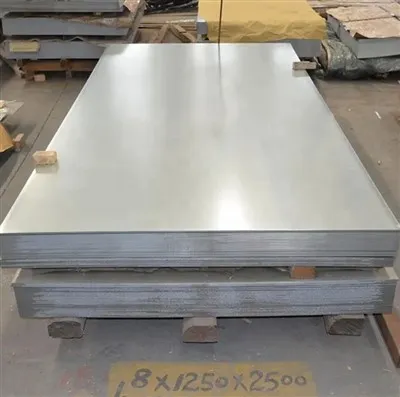
Hey there! I'm a supplier of 100Mm C Purlins, and today I wanna talk about the flatness requirement for these bad boys. If you're in the construction industry or just curious about steel purlins, you've come to the right place.
First off, let's understand what C purlins are. C purlins are structural members commonly used in building construction. They're shaped like the letter "C" and are made from cold - formed steel. Our 100Mm C Purlins are 100 millimeters in size and are super versatile. They can be used in a variety of applications, from industrial buildings to residential structures.
Now, why is flatness so important for 100Mm C Purlins? Well, flatness affects the overall quality and performance of the purlins. When a purlin is not flat, it can cause issues during installation. For example, if it's not flat, it might not fit properly with other building components. This can lead to gaps, misalignments, and even structural instability in the long run.

In the construction world, the flatness requirement for 100Mm C Purlins is usually defined by industry standards. These standards are in place to ensure that the purlins meet the necessary quality and safety criteria. The flatness is typically measured in terms of deviation from a perfectly flat surface.
Let's talk about how we measure this flatness. One common way is to use a straightedge. You place the straightedge along the length of the purlin and measure the gap between the straightedge and the purlin's surface. The maximum allowable gap is what defines the flatness requirement.
For our 100Mm C Purlins, we follow strict quality control measures to meet the industry - set flatness requirements. We use advanced manufacturing techniques and precision equipment to ensure that each purlin is as flat as possible. Our production process involves multiple steps of inspection and adjustment to maintain the desired flatness.
When it comes to the specific flatness requirements, it can vary depending on the application. For example, in a simple shed construction, the flatness requirements might be a bit more lenient compared to a high - rise building or a structure that requires extreme precision.
In most general construction projects, the flatness deviation for 100Mm C Purlins should be within a few millimeters over the length of the purlin. This ensures that the purlin can be easily installed and will work well with other building elements.
Another factor that affects the flatness requirement is the transportation and storage of the purlins. If the purlins are not handled properly during transportation, they can get bent or warped, which will affect their flatness. That's why we take extra care when shipping our 100Mm C Purlins. We use proper packaging and secure them in a way that minimizes the risk of damage.

Similarly, during storage, the purlins should be placed on a flat and stable surface. If they're stacked incorrectly or on an uneven surface, it can cause them to lose their flatness over time.
Now, let's compare our 100Mm C Purlins with other types of purlins, like the 150 C Purlin. The flatness requirements for 150 C Purlins might be different due to their larger size. Generally, larger purlins have more potential for flatness variations because of their increased length and surface area. But regardless of the size, the principle of maintaining proper flatness remains the same.
Our Formed Steel Channel is also related to C purlins. The formed steel channel is often used in conjunction with C purlins in construction. The flatness of the formed steel channel is equally important as it needs to fit well with the C purlins. If either the formed steel channel or the C purlin has poor flatness, it can disrupt the entire construction process.

In addition to the practical aspects of installation and performance, flatness also affects the aesthetic appeal of the building. When the purlins are flat, the exterior of the building looks more professional and well - put - together. No one wants to see a building with visibly warped purlins on the outside.
As a supplier, we're always looking for ways to improve the flatness of our 100Mm C Purlins. We invest in research and development to come up with better manufacturing processes. We also listen to our customers' feedback to understand their specific needs regarding flatness.
If you're in the market for 100Mm C Purlins, you can trust us to provide high - quality products that meet the flatness requirements. We have a team of experts who are dedicated to ensuring that every purlin that leaves our facility is of the best quality.

So, if you're thinking about a construction project and need 100Mm C Purlins, don't hesitate to reach out. We're here to answer any questions you might have about the flatness requirements, installation, or anything else related to our products. Whether it's a small DIY project or a large - scale commercial building, we've got the right 100Mm C Purlins for you.
Contact us today to start the conversation about your purlin needs. We're excited to work with you and help you build the perfect structure.
References
- Construction Industry Handbook on Steel Purlins
- Standards for Cold - Formed Steel Structures
- Best Practices in Steel Purlin Manufacturing