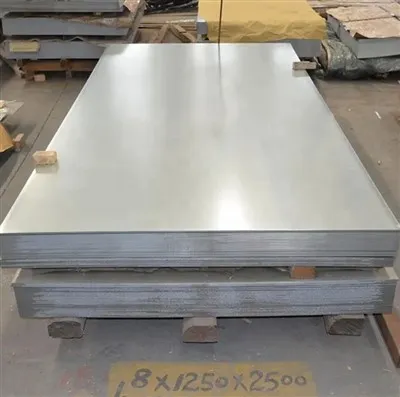
Hey there! As a supplier of Ss304 Plate, I often get asked the question, "Is Ss304 Plate magnetic?" It's a pretty common query, and it's important to understand the answer, especially if you're in the market for stainless steel plates. So, let's dive right in and explore this topic.
First off, let's talk a bit about what Ss304 Plate is. Ss304 Plate is a type of stainless steel plate that's widely used in various industries. It's known for its excellent corrosion resistance, good formability, and high strength. You can find it being used in everything from kitchen appliances to industrial equipment. If you want to learn more about Ss304 Plate, you can check out this link: Ss304 Plate.
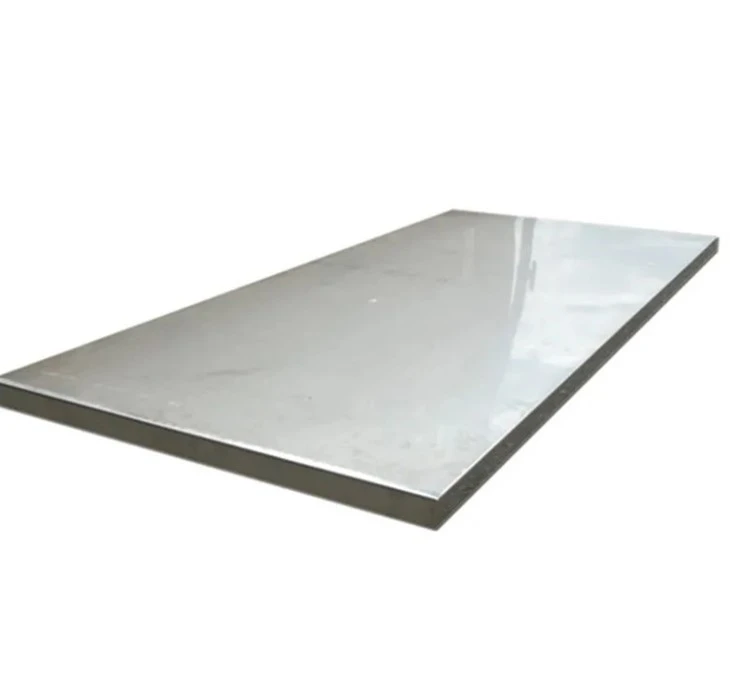
Now, back to the main question: Is Ss304 Plate magnetic? Well, the short answer is that it can be, but it's not supposed to be. Ss304 is an austenitic stainless steel, which means it typically has a non - magnetic structure in its annealed (heat - treated) state. Austenitic stainless steels have a face - centered cubic (FCC) crystal structure, and this structure is non - magnetic.
However, things can get a bit tricky. Sometimes, during the manufacturing process, like cold working (such as rolling, bending, or stretching), the crystal structure of the Ss304 Plate can change. Cold working can cause some of the austenite to transform into martensite, which is a magnetic phase. So, if you take a magnet to a cold - worked Ss304 Plate, it might stick.
The amount of magnetic response depends on how much cold working has been done. A lightly cold - worked plate might show only a weak magnetic attraction, while a heavily cold - worked one could be strongly magnetic. For example, if you have a Ss304 Plate that's been bent multiple times or rolled to a very thin gauge, it's more likely to be magnetic.
Another factor that can affect the magnetism of Ss304 Plate is the presence of impurities. If there are certain elements like ferrite in the steel, it can also make the plate magnetic. Ferrite is a magnetic phase, and even a small amount of it in the Ss304 Plate can cause a magnetic response.
Let's compare Ss304 Plate with some other types of stainless steel plates. Take the 304L Stainless Steel Plate. 304L is very similar to Ss304, but it has a lower carbon content. Just like Ss304, 304L is austenitic and is non - magnetic in its annealed state. However, it also can become magnetic after cold working, and the same rules about the degree of cold working and magnetism apply.
Then there's the 316 Stainless Steel Plate. 316 is another austenitic stainless steel, but it contains molybdenum, which gives it better corrosion resistance in certain environments, like marine applications. Similar to Ss304 and 304L, 316 is non - magnetic when annealed but can become magnetic due to cold working.
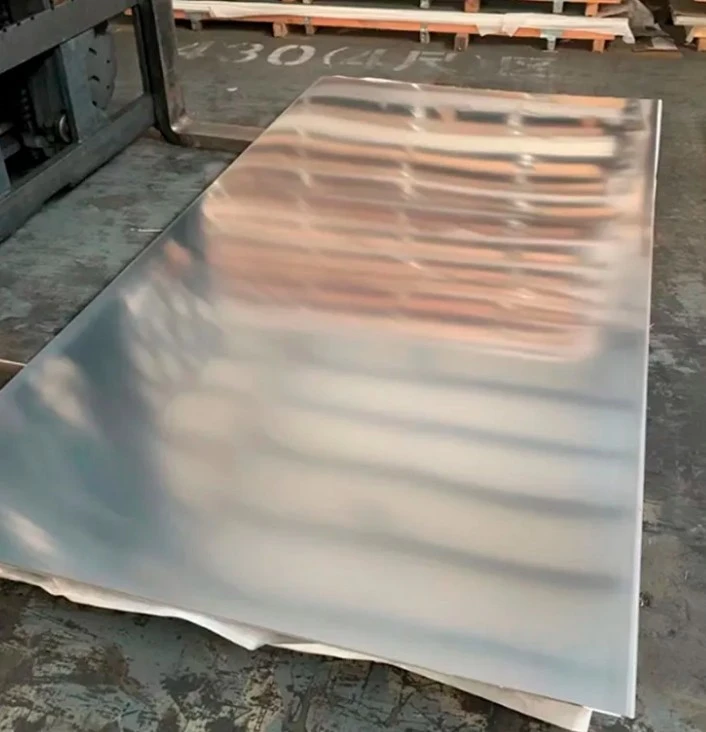
So, why does it matter if the Ss304 Plate is magnetic or not? Well, in some applications, a non - magnetic property is crucial. For example, in the food and beverage industry, non - magnetic stainless steel is preferred because it won't attract metal particles that could contaminate the products. In the electronics industry, non - magnetic materials are also needed to avoid interference with magnetic fields.
On the other hand, in some industrial applications where magnetic properties can be used to advantage, a slightly magnetic Ss304 Plate might not be a problem. For instance, if you're using the plate in a magnetic separation process, a bit of magnetism could actually be useful.
As a supplier, I always make sure to inform my customers about the potential for magnetism in Ss304 Plate. If they need a completely non - magnetic plate, I can recommend specific heat - treatment processes or provide plates that have been minimally cold - worked. And if they're okay with a bit of magnetism, we can work together to find the best option for their project.
If you're thinking about purchasing Ss304 Plate, it's a good idea to discuss your requirements with me. Whether you need a non - magnetic plate for a sensitive application or are open to a plate with some magnetic properties, I can help you make the right choice. Just reach out to me, and we can start a conversation about your project and how Ss304 Plate can fit into it.
In conclusion, Ss304 Plate isn't supposed to be magnetic in its annealed state, but cold working and impurities can make it magnetic. Understanding this property is important for choosing the right stainless steel plate for your needs. So, if you have any questions or are ready to start a purchase, don't hesitate to get in touch.
References
- ASM Handbook, Volume 1: Properties and Selection: Irons, Steels, and High - Performance Alloys
- Stainless Steel World magazine articles on austenitic stainless steels