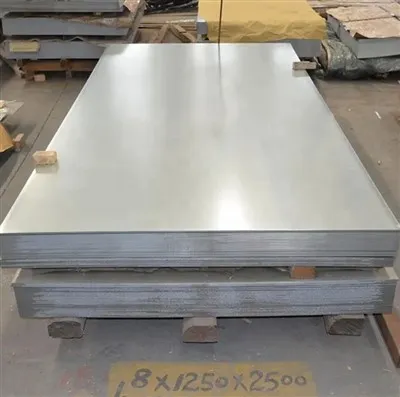
As a supplier of right angle bars, I often get asked whether our products can be used in marine environments. This is a crucial question, considering the unique and harsh conditions that marine settings present. In this blog, I'll explore the viability of using right - angle bars in marine applications, discussing the challenges, suitable materials, and the types of right - angle bars that work best.
The Harsh Realities of Marine Environments
Marine environments are among the most challenging places for any material to endure. The constant presence of saltwater is the primary culprit. Saltwater is highly corrosive, and it can cause metals to rust and deteriorate at an accelerated rate. The combination of oxygen, water, and salt creates an electrochemical reaction that eats away at the metal surface.
Another factor is the physical stress. Waves, tides, and the movement of vessels can subject structures to significant mechanical forces. These forces can cause bending, cracking, and fatigue in the materials used. Moreover, the temperature variations in the marine environment, from cold deep - sea waters to hot sunlight on the surface, can also impact the integrity of the materials.
Right Angle Bars: An Overview
Right angle bars, also known as angle irons, are L - shaped structural elements that are widely used in construction and engineering. They provide excellent support and stability in various applications. Our company offers a range of right - angle bars, including Galvanised Angle Bar, Perforated Angle Bar, and Alloy Angle Bar. Each type has its own unique properties and is suitable for different scenarios.
Suitability of Different Right Angle Bars in Marine Environments
Galvanised Angle Bar
Galvanised angle bars are coated with a layer of zinc. Zinc acts as a sacrificial anode, which means it corrodes before the underlying steel. This provides a significant level of protection against rust and corrosion. In marine environments, the zinc coating can offer a reasonable amount of protection, especially in less severe conditions.
However, the effectiveness of the zinc coating depends on its thickness and the level of exposure. In areas with high salt spray or where the angle bar is constantly submerged, the zinc coating may eventually wear off. Regular inspections and maintenance are necessary to ensure that the coating remains intact. If the zinc coating is damaged, the underlying steel will be exposed to the corrosive elements, and rusting can occur rapidly.
Perforated Angle Bar
Perforated angle bars have holes punched through them. While this design is useful for applications where drainage or ventilation is required, it can also pose challenges in marine environments. The holes can act as sites for corrosion to start, as saltwater can accumulate inside them. Additionally, the presence of holes weakens the structural integrity of the angle bar to some extent.
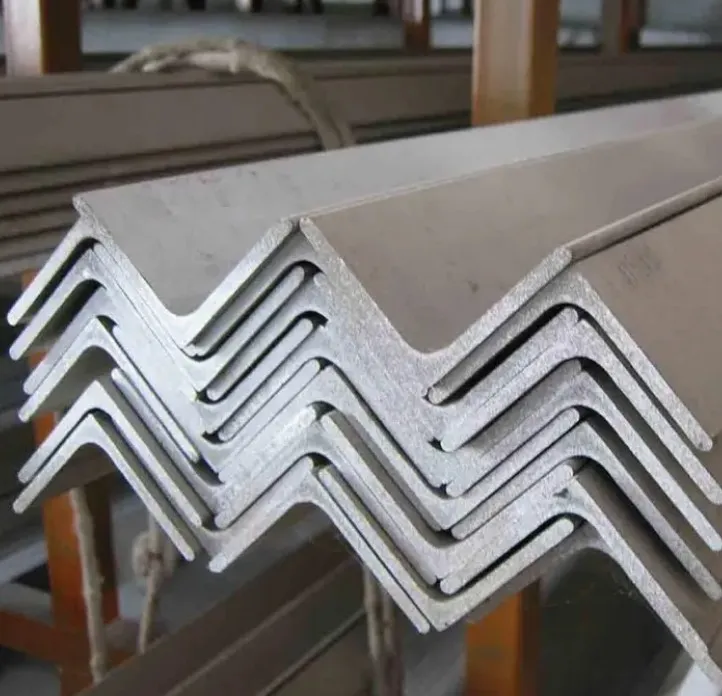

However, if properly designed and made from a corrosion - resistant material, perforated angle bars can still be used in marine applications. For example, in areas where the angle bar is not under heavy load and where drainage is crucial, such as in some decking or grating applications, a perforated angle bar made from a suitable alloy can work well.
Alloy Angle Bar
Alloy angle bars are made by combining different metals to enhance their properties. Some alloys, such as stainless steel alloys, are highly resistant to corrosion. Stainless steel contains chromium, which forms a thin, protective oxide layer on the surface of the metal. This layer prevents oxygen and water from reaching the underlying metal, thus protecting it from corrosion.
In marine environments, stainless steel alloy angle bars are often the preferred choice. They can withstand the harsh conditions of saltwater, high humidity, and temperature variations. They also have good mechanical properties, making them suitable for applications where high strength is required, such as in the construction of ship hulls, offshore platforms, and marine equipment.
Case Studies
Let's look at some real - world examples to understand how right - angle bars are used in marine environments.
In a small fishing boat construction project, galvanised angle bars were used for the internal framing. The boat was mainly used in coastal waters, and the galvanised coating provided sufficient protection against corrosion for several years. However, after a few years of use, some areas of the zinc coating started to show signs of wear, and minor rust spots appeared. The owners had to perform regular maintenance, including repainting the angle bars, to prevent further corrosion.
On the other hand, in an offshore oil rig project, stainless steel alloy angle bars were used extensively. These angle bars were used in the construction of the platform's support structures and handrails. Despite being constantly exposed to the harsh marine environment, the stainless steel angle bars showed no signs of corrosion even after many years of operation. This demonstrates the effectiveness of using corrosion - resistant alloy angle bars in more demanding marine applications.
Considerations for Using Right Angle Bars in Marine Environments
When using right - angle bars in marine environments, there are several important considerations.
Material Selection
As discussed earlier, the choice of material is crucial. For long - term durability and minimal maintenance, corrosion - resistant alloys like stainless steel are recommended. However, the cost of these materials is higher compared to galvanised steel. So, a balance needs to be struck between the budget and the expected lifespan of the structure.
Design and Installation
Proper design and installation are also essential. The angle bars should be installed in a way that minimizes their exposure to saltwater and reduces the risk of water accumulation. For example, they should be installed with proper drainage channels and should not be in direct contact with standing water.
Maintenance
Regular maintenance is a must. This includes inspecting the angle bars for signs of corrosion, damage to the coating (in the case of galvanised bars), and any mechanical stress. Any issues should be addressed promptly to prevent further deterioration.
Conclusion
In conclusion, right - angle bars can be used in marine environments, but the choice of the right type of bar is crucial. Galvanised angle bars can be a cost - effective option for less severe marine conditions, but they require regular maintenance. Perforated angle bars can be used in specific applications where drainage is needed, provided they are made from a suitable material. Alloy angle bars, especially those made from stainless steel, are the best choice for demanding marine applications due to their high corrosion resistance and good mechanical properties.
If you are involved in a marine project and are considering using right - angle bars, I encourage you to get in touch with us. We have a team of experts who can help you select the most suitable right - angle bars for your specific needs. Whether you need a large quantity for a major offshore project or a small amount for a boat repair, we can provide you with high - quality products and professional advice.
References
- ASM Handbook Committee. (2004). ASM Handbook, Volume 13A: Corrosion: Fundamentals, Testing, and Protection. ASM International.
- Croll, S. (2007). Corrosion Control for the Oil and Gas Industry. Elsevier.
- Kain, R. M. (2002). Stainless Steels for Design Engineers. ASM International.