When it comes to construction materials, understanding the properties of different steel sections is crucial for ensuring the safety and durability of a building. As a supplier of Z Section Steel, I often receive inquiries about its fire resistance. In this blog post, I'll delve into the fire resistance of Z Section Steel, exploring what it means, how it's measured, and its significance in construction projects.
What is Fire Resistance?
Fire resistance refers to a material's ability to withstand the effects of fire for a specified period. In the context of Z Section Steel, it's about how long the steel can maintain its structural integrity and load - bearing capacity when exposed to high - temperature conditions. When a fire breaks out in a building, the temperature can rise rapidly, and the steel's performance under these extreme conditions is of utmost importance.
Factors Affecting the Fire Resistance of Z Section Steel
1. Steel Composition
The chemical composition of Z Section Steel plays a significant role in its fire resistance. Steel is an alloy primarily composed of iron and carbon, with other elements such as manganese, silicon, and trace amounts of sulfur and phosphorus. Some alloying elements can enhance the steel's high - temperature properties. For example, the addition of chromium can improve the steel's oxidation resistance at high temperatures, which in turn can contribute to better fire resistance.
2. Section Geometry
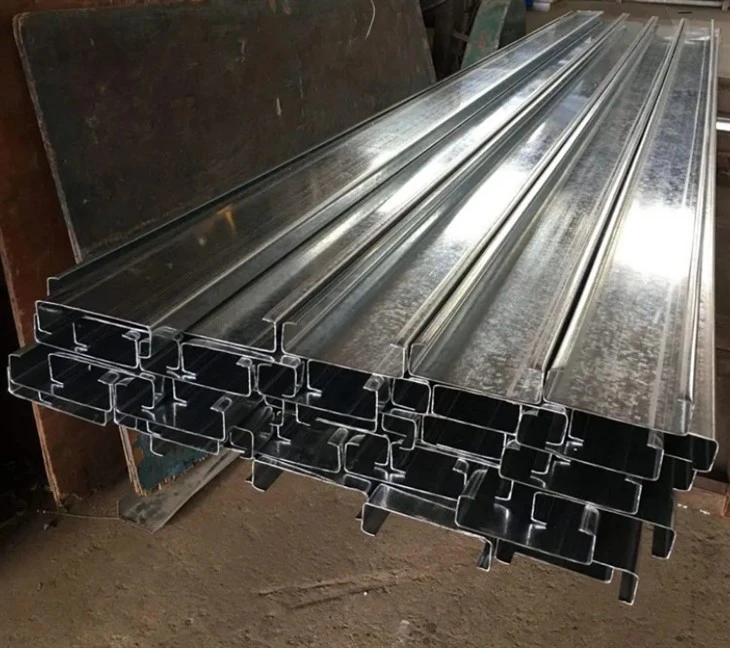
The shape and dimensions of the Z Section Steel also impact its fire resistance. A larger cross - sectional area generally provides more mass, which can absorb and dissipate heat more effectively. The Z - shape itself may have different heat transfer characteristics compared to other shapes like C Section Steel Channel or Slotted U Channel. The complex geometry of the Z - section can create different air circulation patterns around it during a fire, affecting the rate of heat transfer.
3. Coating and Insulation
Applying fire - resistant coatings or insulation materials to Z Section Steel can significantly improve its fire resistance. Fire - resistant coatings are designed to form a protective layer on the steel surface when exposed to high temperatures. This layer acts as a barrier, reducing the rate of heat transfer to the steel and delaying the onset of structural failure. Insulation materials, such as mineral wool or ceramic fiber, can also be used to wrap the steel sections, providing additional thermal protection.
Measuring the Fire Resistance of Z Section Steel
The fire resistance of Z Section Steel is typically measured through standardized fire tests. These tests are conducted in specialized laboratories under controlled conditions. One of the most common tests is the ISO 834 standard fire test. In this test, a specimen of the Z Section Steel is exposed to a standard fire curve, which simulates the temperature - time relationship in a typical building fire.
During the test, the steel specimen is subjected to increasing temperatures over a specific period, usually ranging from 30 minutes to several hours. The performance of the steel is evaluated based on several criteria, including its load - bearing capacity, integrity (whether it maintains its physical shape and does not develop large holes or cracks), and insulation (the ability to limit the transfer of heat to the unexposed side of the steel).
The results of these tests are expressed in terms of fire resistance ratings, such as 30 minutes, 60 minutes, 90 minutes, or 120 minutes. A higher fire resistance rating means that the Z Section Steel can withstand the effects of fire for a longer time, providing more time for evacuation and firefighting operations.

Significance of Fire Resistance in Construction
1. Safety
The most obvious reason for considering the fire resistance of Z Section Steel in construction is safety. In the event of a fire, steel structures that can maintain their integrity for an extended period can prevent the collapse of the building, giving occupants more time to escape and reducing the risk of injury and death.
2. Compliance with Building Codes
Building codes and regulations around the world often specify minimum fire resistance requirements for different types of buildings and structural elements. For example, in high - rise buildings, the steel columns and beams may be required to have a fire resistance rating of 90 minutes or more. As a Z Section Steel supplier, it's essential to ensure that our products meet these regulatory requirements to avoid legal issues and ensure the safety of the end - users.
3. Insurance Considerations
Insurance companies also take into account the fire resistance of a building's structural materials when determining insurance premiums. Buildings constructed with fire - resistant materials, including Z Section Steel with high fire resistance ratings, are generally considered to be at lower risk of fire - related damage. This can result in lower insurance costs for building owners.
Comparing Z Section Steel with Other Steel Shapes
When comparing the fire resistance of Z Section Steel with other common steel shapes like C Section Steel Channel and Slotted U Channel, it's important to note that each shape has its own unique characteristics.
The Z - shape's geometry may offer some advantages in terms of heat distribution and load - bearing under fire conditions. However, the specific fire resistance performance will depend on factors such as the cross - sectional area, coating, and insulation. In some cases, 150 C Purlin may be more suitable for certain applications based on its fire resistance and other properties.
Applications of Fire - Resistant Z Section Steel
Fire - resistant Z Section Steel is widely used in various construction projects. In commercial buildings, it can be used for columns, beams, and purlins. In industrial facilities, where there may be a higher risk of fire due to the presence of flammable materials or high - temperature processes, Z Section Steel with good fire resistance is essential. It's also commonly used in high - rise buildings, where the structural integrity during a fire is of utmost importance.
Conclusion
As a supplier of Z Section Steel, I understand the importance of fire resistance in construction. The fire resistance of Z Section Steel is influenced by factors such as its composition, geometry, and the use of coatings and insulation. Through standardized fire tests, we can accurately measure its fire resistance and provide products that meet the required fire resistance ratings.
The significance of fire - resistant Z Section Steel cannot be overstated. It ensures the safety of building occupants, helps in complying with building codes, and can lead to cost savings in insurance premiums. Whether you're a builder, architect, or developer, choosing the right Z Section Steel with appropriate fire resistance is a critical decision for the success of your construction project.
If you're interested in learning more about our Z Section Steel products or have specific requirements regarding fire resistance, I encourage you to reach out to us. We're here to assist you in making the best choices for your construction needs and can provide detailed information and technical support. Let's work together to build safer and more durable structures.
References
- "Fire Resistance of Steel Structures" by British Steel Corporation
- ISO 834: Fire resistance tests - Elements of building construction
- "Structural Steel Design" by McCormac, Jack C.