Hey there! As an H Beam supplier, I often get asked if H Beams are suitable for structures in high - wind areas. It's a valid question, and one that I'm more than happy to dig into.
First off, let's talk a bit about what H Beams are. H Beams, as the name suggests, have an "H" shape when you look at their cross - section. They're known for their high strength - to - weight ratio, which makes them a popular choice in construction projects. They can handle heavy loads and are used in a wide range of structures, from commercial buildings to bridges.

Now, when it comes to high - wind areas, the biggest concerns are the wind loads that a structure has to withstand. Wind can exert a lot of pressure on a building, and if the building's structural components aren't up to the task, it can lead to serious problems.

One of the key advantages of H Beams in high - wind situations is their strength. Their design allows them to distribute loads evenly across the structure. This means that when the wind hits the building, the force is spread out, reducing the risk of concentrated stress points that could cause damage. For example, in a tall building in a coastal area where strong winds are common, H Beams can help keep the building stable.
Another factor is the material that H Beams are made from. Most H Beams are made of steel, which is a very strong and durable material. Steel can withstand a lot of force without deforming easily. This is crucial in high - wind areas because the wind can push and pull on the structure continuously. A steel H Beam can resist these forces better than many other materials.
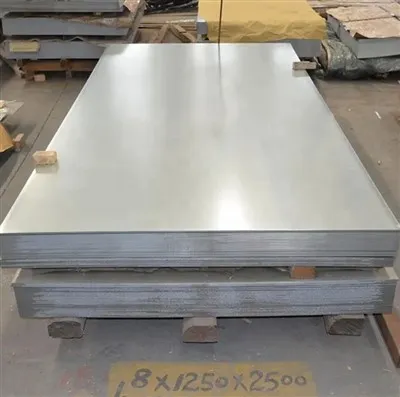
However, it's not all sunshine and rainbows. There are some potential drawbacks to using H Beams in high - wind areas. One issue is corrosion. In coastal high - wind areas, the air often contains salt, which can accelerate the corrosion of steel. This is where Galvanized H Beam comes in handy. Galvanization is a process where a layer of zinc is applied to the steel, which acts as a protective barrier against corrosion. So, if you're building in a high - wind coastal area, galvanized H Beams are definitely a good option.
Another consideration is the size and shape of the H Beams. In very high - wind situations, the aerodynamics of the structure matter. If the H Beams are too large or have a shape that catches the wind easily, they can create more drag. This means the wind will have a greater impact on the structure. Engineers need to carefully design the layout of the H Beams to minimize this effect.

Let's take a look at some specific types of H Beams. The He 160 A Beam is a popular choice. It has a specific size and strength that make it suitable for many medium - sized structures. In high - wind areas, it can be used in combination with other structural elements to create a stable building. It's important to note that the suitability of the He 160 A Beam depends on the exact wind conditions and the overall design of the structure.
The Ipe S235 is another type of H Beam. It's made of a specific grade of steel (S235), which has certain mechanical properties. This type of beam is often used in general construction, and in high - wind areas, it can provide good support as long as it's properly installed and integrated into the structure.
When building in high - wind areas, it's also important to follow local building codes. These codes are designed to ensure the safety of the structures in the area. They often specify the minimum requirements for structural components, including the strength and quality of H Beams. As a supplier, I always make sure that the H Beams I provide meet or exceed these standards.
In addition to the physical properties of the H Beams, proper installation is crucial. Even the strongest H Beams won't do much good if they're not installed correctly. The connections between the beams need to be strong and secure. Engineers and construction workers need to pay close attention to the installation process to ensure that the structure can withstand the wind loads.
To sum it up, H Beams can be a great choice for structures in high - wind areas. Their strength, durability, and the ability to distribute loads make them suitable for many applications. However, factors like corrosion, aerodynamics, and proper installation need to be considered. With the right type of H Beam, such as galvanized options, and careful design and installation, you can build a safe and stable structure in a high - wind area.
If you're planning a construction project in a high - wind area and are considering using H Beams, I'd love to have a chat with you. We can discuss your specific needs, the type of H Beams that would be best for your project, and how to ensure a successful build. Don't hesitate to reach out to start the procurement and negotiation process.
References
- Structural Steel Design Handbook, Various Authors
- Building Codes for High - Wind Areas, Local Government Publications