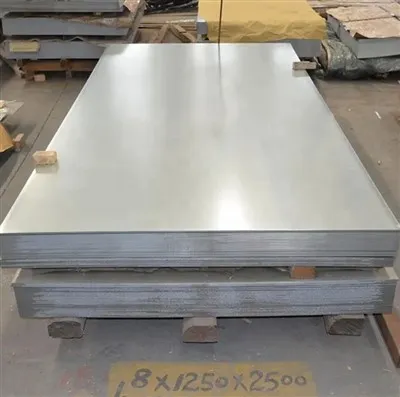
As a seasoned supplier of carbon steel coils, I understand the challenges customers face when selecting the right product for their specific needs. The market is flooded with various types of carbon steel coils, each with its own unique properties, applications, and price points. In this blog post, I will share some valuable insights and practical tips on how to choose the right carbon steel coil for your project.
Understanding Carbon Steel Coils
Carbon steel is an alloy of iron and carbon, with carbon content ranging from 0.05% to 2.1%. The carbon content significantly influences the steel's properties, such as hardness, strength, and ductility. Carbon steel coils are produced by rolling carbon steel into thin, continuous strips, which are then coiled for easy storage and transportation.
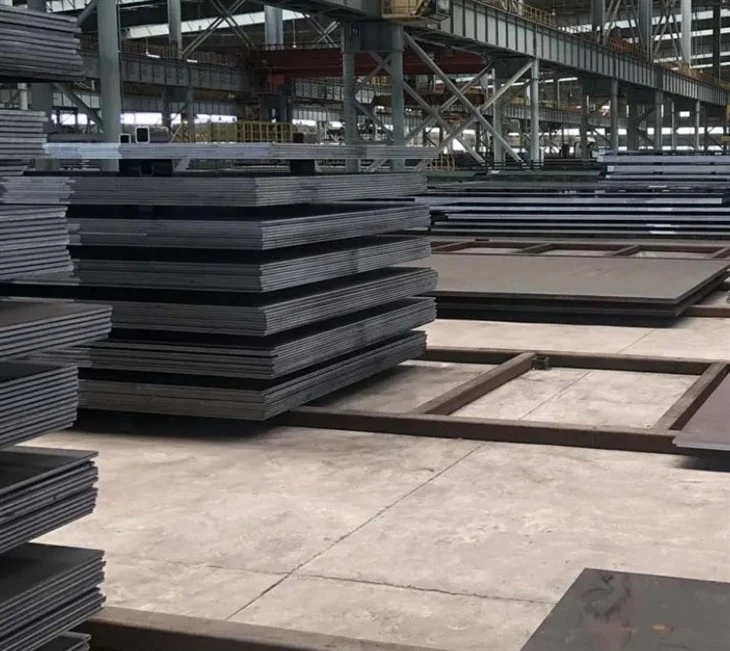
There are several types of carbon steel coils available in the market, including hot-rolled (HR) and cold-rolled (CR) coils. Hot-rolled coils are produced by heating the steel above its recrystallization temperature and then rolling it into the desired thickness. This process results in a rough surface finish and a more ductile material, making hot-rolled coils suitable for applications that require formability, such as construction, automotive, and general manufacturing.
On the other hand, cold-rolled coils are produced by further processing hot-rolled coils at room temperature. This process improves the surface finish, dimensional accuracy, and mechanical properties of the steel, making cold-rolled coils ideal for applications that require a smooth surface and high precision, such as appliances, electronics, and furniture.
Factors to Consider When Choosing a Carbon Steel Coil
1. Carbon Content
As mentioned earlier, the carbon content of carbon steel significantly affects its properties. For applications that require high strength and hardness, such as structural components and machinery parts, a higher carbon content (0.3% - 2.1%) is preferred. However, higher carbon content also reduces the steel's ductility and weldability. For applications that require good formability and weldability, such as automotive body panels and containers, a lower carbon content (0.05% - 0.3%) is more suitable.
2. Surface Finish
The surface finish of a carbon steel coil is an important consideration, especially for applications where appearance is critical. Hot-rolled coils typically have a rough surface finish due to the scale formed during the hot-rolling process. This scale can be removed by pickling, resulting in a smooth and clean surface. Hr Pickled Sheet is a popular choice for applications that require a smooth surface finish, such as automotive parts and household appliances.
Cold-rolled coils, on the other hand, have a smoother surface finish compared to hot-rolled coils. They are often used in applications where a high-quality surface finish is required, such as electronics and furniture. Cr Coil Sheet is a common type of cold-rolled carbon steel coil that offers excellent surface quality and dimensional accuracy.
3. Thickness and Width
The thickness and width of a carbon steel coil depend on the specific requirements of your application. Thicker coils are generally stronger and more suitable for heavy-duty applications, while thinner coils are more flexible and easier to form. The width of the coil also affects its usability, as wider coils can reduce the number of seams and joints in the final product.
When choosing the thickness and width of a carbon steel coil, it is important to consider the capabilities of your processing equipment. Make sure that the coil can be easily handled and processed by your machinery to avoid any production issues.
4. Mechanical Properties
The mechanical properties of a carbon steel coil, such as tensile strength, yield strength, and elongation, are crucial for determining its suitability for your application. Tensile strength refers to the maximum stress that the steel can withstand before breaking, while yield strength is the stress at which the steel begins to deform plastically. Elongation measures the ability of the steel to stretch before breaking.
For applications that require high strength and durability, such as bridges and buildings, a carbon steel coil with high tensile and yield strength is preferred. For applications that require good formability, such as automotive body panels, a coil with high elongation is more suitable.
5. Application Requirements
The specific requirements of your application should also be taken into account when choosing a carbon steel coil. Different applications have different performance requirements, such as corrosion resistance, heat resistance, and electrical conductivity.

For example, if your application involves exposure to corrosive environments, such as marine or chemical industries, a carbon steel coil with good corrosion resistance, such as galvanized or stainless steel, is recommended. If your application requires high heat resistance, such as in the automotive or aerospace industries, a carbon steel coil with a high chromium or nickel content may be more suitable.
Quality Assurance
When purchasing a carbon steel coil, it is important to ensure that the product meets your quality requirements. Look for a supplier who has a good reputation for quality and reliability. A reputable supplier will provide you with detailed product specifications, test reports, and certifications to guarantee the quality of the carbon steel coil.
In addition, consider the supplier's manufacturing process and quality control measures. A supplier who uses advanced manufacturing technologies and strict quality control procedures is more likely to produce high-quality carbon steel coils.
Cost Considerations
Cost is always an important factor when choosing a carbon steel coil. However, it is important to remember that the cheapest option may not always be the best choice. Consider the overall value of the product, including its quality, performance, and durability. A higher-quality carbon steel coil may cost more upfront but can save you money in the long run by reducing maintenance and replacement costs.
When comparing prices from different suppliers, make sure to consider the total cost of ownership, including shipping, handling, and processing costs. Also, look for suppliers who offer competitive pricing and flexible payment terms.
Our Carbon Steel Coil Products
At our company, we offer a wide range of high-quality carbon steel coils to meet the diverse needs of our customers. Our product portfolio includes Hr Pickled Sheet, Cr Coil Sheet, and Mill Sheet Ss400.
Our carbon steel coils are produced using advanced manufacturing technologies and strict quality control procedures to ensure consistent quality and performance. We offer a variety of thicknesses, widths, and surface finishes to meet your specific requirements. Whether you need a coil for construction, automotive, or general manufacturing applications, we have the right product for you.
Contact Us for Procurement and Negotiation
If you are interested in purchasing carbon steel coils or have any questions about our products, please feel free to contact us. Our experienced sales team will be happy to assist you in choosing the right carbon steel coil for your project and provide you with a competitive quote.
We believe in building long-term relationships with our customers based on trust, quality, and excellent customer service. We are committed to providing you with the best products and solutions at the most competitive prices. Contact us today to start your procurement process and let us help you achieve your project goals.
References
- ASM Handbook, Volume 1: Properties and Selection: Irons, Steels, and High-Performance Alloys
- ASTM International Standards for Carbon Steel
- Metals Handbook Desk Edition, 3rd Edition