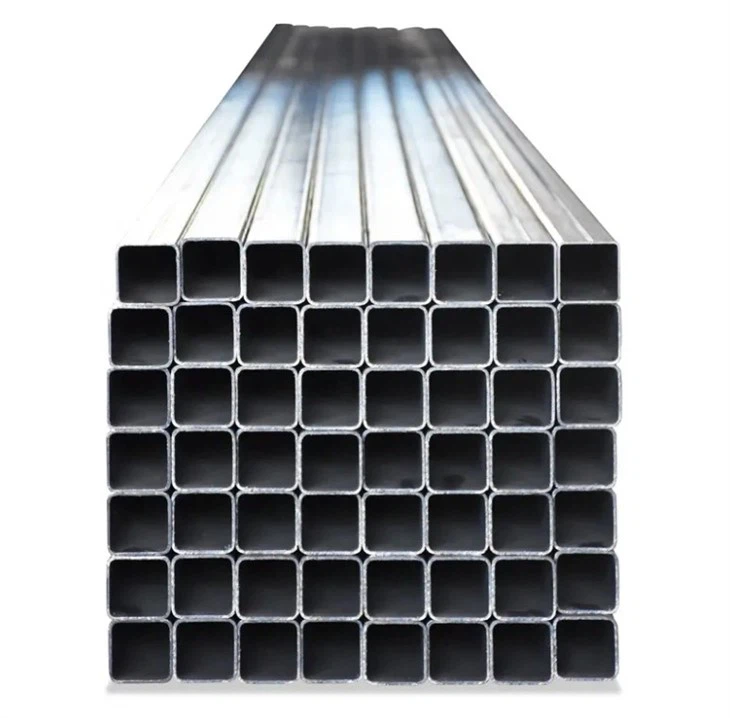
Carbon steel pipes come in various types, each designed for specific applications based on their carbon content, manufacturing process, and intended use. Here are the main types of carbon steel pipes:
1. Seamless Carbon Steel Pipes
Manufacturing Process: Seamless pipes are made from a solid billet that is heated and then pierced to create a hollow tube. This process results in a pipe without any seams or welds.
Applications: These pipes are commonly used in high-pressure applications, such as in the oil and gas industry, boilers, and power plants. Their strength and durability make them suitable for transporting fluids and gases under extreme conditions.
2. Welded Carbon Steel Pipes
Manufacturing Process: Welded pipes are made by rolling a flat strip of steel into a tube shape and then welding the edges together. They can be further categorized into Electric Resistance Welded (ERW), Longitudinal Submerged Arc Welded (LSAW), and Spiral Submerged Arc Welded (SSAW) pipes.
Applications: Welded pipes are used in applications where high pressure is not a concern, such as in low-pressure plumbing, water transportation, and structural applications. ERW pipes are commonly used in transportation lines, while LSAW and SSAW are often used in large-diameter pipelines.
3. Low-Carbon Steel Pipes (Mild Steel Pipes)
Carbon Content: Low-carbon steel pipes contain less than 0.3% carbon.
Applications: Due to their ductility and malleability, low-carbon steel pipes are widely used in construction, structural applications, and low-pressure systems like water and gas lines.
4. Medium-Carbon Steel Pipes
Carbon Content: These pipes contain 0.3% to 0.6% carbon.
Applications: Medium-carbon steel pipes offer a balance of strength and ductility, making them suitable for applications that require moderate strength and toughness, such as machinery parts and automotive components.
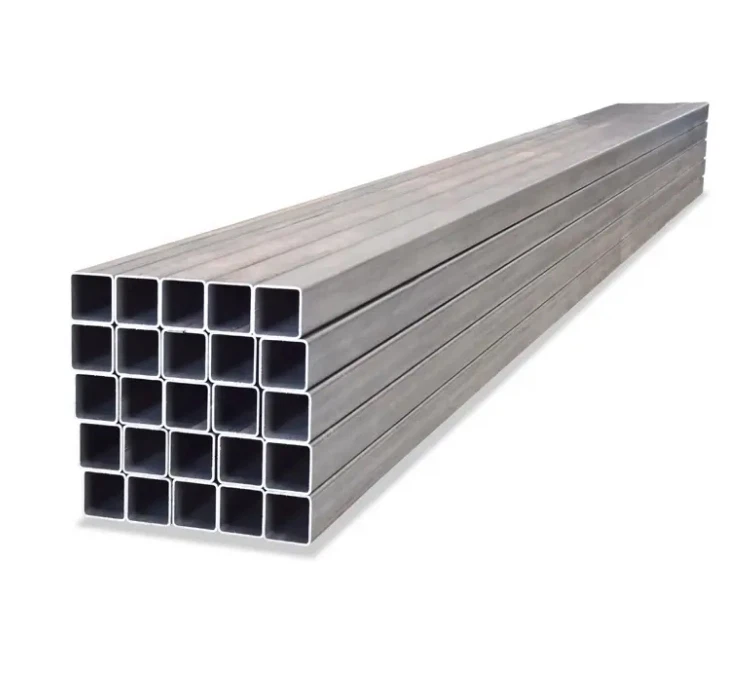
5. High-Carbon Steel Pipes
Carbon Content: High-carbon steel pipes contain more than 0.6% carbon.
Applications: These pipes are extremely strong but less ductile and more prone to cracking. They are used in applications that require high wear resistance, such as in cutting tools, heavy machinery, and in certain high-pressure environments.
6. Alloy Carbon Steel Pipes
Manufacturing Process: These pipes are made from carbon steel with added alloying elements like chromium, manganese, or nickel to enhance certain properties.
Applications: Alloy carbon steel pipes are used in high-temperature or high-stress environments, such as in power plants, chemical processing, and petrochemical industries, where enhanced strength, toughness, or corrosion resistance is required.
7. Galvanized Carbon Steel Pipes
Manufacturing Process: These pipes are coated with a layer of zinc to prevent corrosion.
Applications: Galvanized pipes are often used in outdoor construction, plumbing, and water transportation systems where corrosion resistance is essential.
8. Heat-Exchanger and Boiler Tubes
Manufacturing Process: These are seamless or welded pipes designed specifically to withstand high temperatures and pressures.
Applications: Used in heat exchangers, boilers, and superheaters, these pipes are crucial in industries like power generation and chemical processing.
9. API 5L Carbon Steel Pipes
Specifications: API 5L pipes are standardized by the American Petroleum Institute (API) for use in oil and gas transportation systems.
Applications: These pipes are used in pipelines to transport oil, gas, and other fluids over long distances, often across harsh terrains and environments.
10. Carbon Steel Line Pipes
Manufacturing Process: Available in both seamless and welded forms, line pipes are designed for transporting oil, gas, and water.
Applications: Commonly used in pipeline systems, these pipes are essential for transporting hydrocarbons and other fluids.
Conclusion
Carbon steel pipes come in various types, each tailored for specific applications based on factors like pressure, temperature, and corrosion resistance. Understanding the different types of carbon steel pipes helps in selecting the right pipe for a given industrial or structural need.