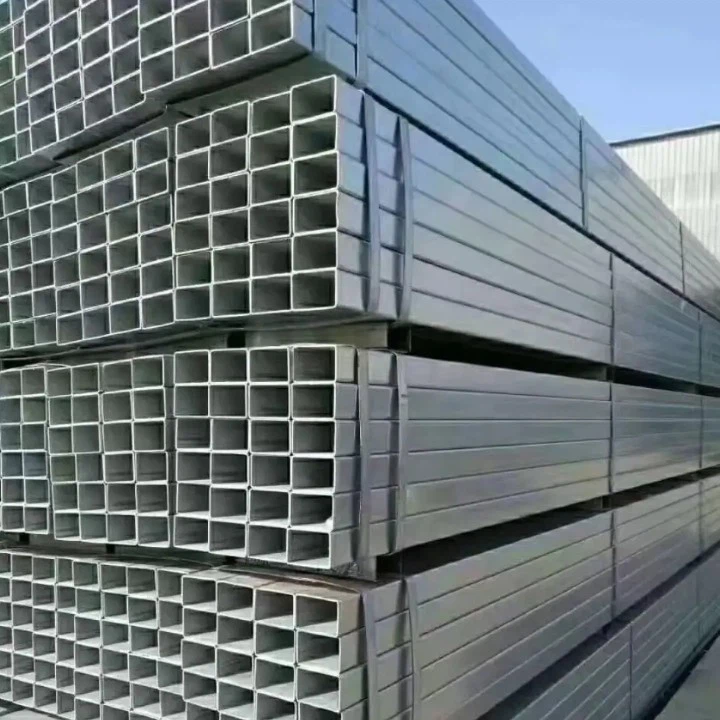
The most common type of carbon steel pipe used in various industries and applications is ASTM A106 Grade B pipe. ASTM A106 Grade B pipe is a seamless carbon steel pipe designed for high-temperature and high-pressure applications, making it suitable for use in oil and gas pipelines, power plants, refineries, petrochemical plants, and other industrial settings. Here's an in-depth look at ASTM A106 Grade B pipe and why it is the preferred choice for many projects:
Composition and Properties:
ASTM A106 Grade B pipe is made from carbon steel, a type of steel alloy primarily composed of iron and carbon, with small amounts of other elements such as manganese, silicon, and sometimes trace amounts of other metals. The chemical composition of ASTM A106 Grade B pipe is tightly controlled to ensure consistent mechanical properties and performance.
Seamless Construction:
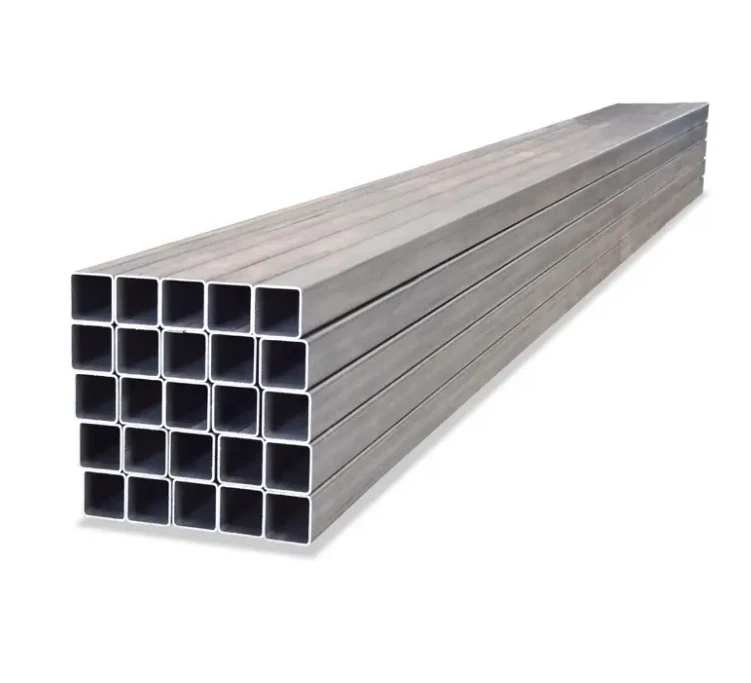
ASTM A106 Grade B pipe is typically produced using a seamless manufacturing process, which involves extruding a solid billet of steel through a series of dies to create a seamless tube. Seamless construction eliminates the need for welding, which can introduce weak points and potential failure points in the pipe. As a result, seamless ASTM A106 Grade B pipe offers superior strength, reliability, and leak resistance compared to welded pipes.
High-Temperature Service:
One of the key characteristics of ASTM A106 Grade B pipe is its ability to withstand high temperatures and pressures. The pipe is specifically designed for use in high-temperature service applications, where temperatures can reach up to 750°F (400°C) or higher. ASTM A106 Grade B pipe is suitable for conveying fluids and gases at elevated temperatures, making it an ideal choice for applications such as steam lines, boiler tubes, and heat exchangers.
Pressure Ratings:
ASTM A106 Grade B pipe is available in various pressure ratings, ranging from standard weight (STD) to extra-strong (XS) and double extra-strong (XXS). These pressure ratings are determined based on the wall thickness and diameter of the pipe, with higher pressure ratings indicating thicker walls and greater strength. The versatility of ASTM A106 Grade B pipe allows it to be used in a wide range of pressure applications, from low-pressure water lines to high-pressure steam lines.
Quality Assurance:
ASTM A106 Grade B pipe is manufactured in accordance with strict quality standards set forth by the American Society for Testing and Materials (ASTM). The manufacturing process is subject to rigorous inspection and testing to ensure compliance with dimensional, mechanical, and chemical requirements. This commitment to quality assurance ensures that ASTM A106 Grade B pipe meets the highest standards of performance and reliability.
Availability and Cost-Effectiveness:
ASTM A106 Grade B pipe is readily available in a wide range of sizes, wall thicknesses, and lengths to accommodate various project requirements. Its widespread availability and cost-effectiveness make it a preferred choice for many construction, industrial, and infrastructure projects. Additionally, ASTM A106 Grade B pipe is often more affordable than other types of high-temperature and high-pressure piping materials, making it an attractive option for budget-conscious projects.
In summary, ASTM A106 Grade B pipe is the most common type of carbon steel pipe used in a wide range of high-temperature and high-pressure applications. Its seamless construction, ability to withstand extreme temperatures and pressures, strict quality standards, availability, and cost-effectiveness make it an ideal choice for many industrial and commercial projects.