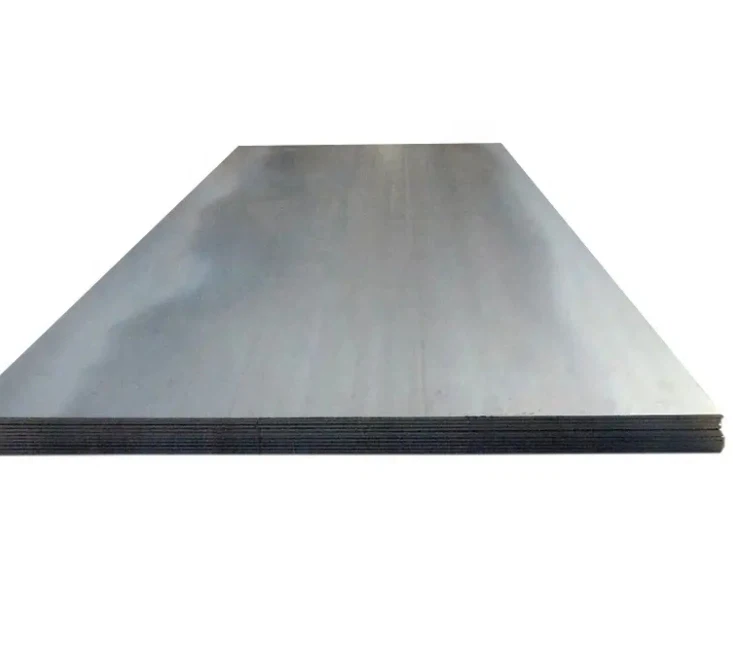
Steel plates are flat sheets of steel that come in various thicknesses, grades, and dimensions. They are one of the most versatile products in the steel industry, used across a wide range of sectors due to their strength, durability, and versatility. Steel plates are essential components in construction, shipbuilding, manufacturing, defense, and more. Here's a detailed look at the uses of steel plates across different industries:
1. Construction and Infrastructure
Steel plates are commonly used in the construction of buildings, bridges, and large infrastructure projects.
Building Structures: In skyscrapers, steel plates are used to reinforce concrete structures or to build load-bearing frameworks due to their high tensile strength. They provide structural support for walls, floors, and roofs, ensuring buildings can withstand significant loads and external forces like wind or seismic activity.
Bridges: Steel plates are essential in constructing bridges, especially in the deck sections and the structural framework. Their strength and durability make them ideal for supporting heavy loads and withstanding environmental elements such as wind, rain, and temperature fluctuations.
Roads and Railways: In infrastructure projects, steel plates are often used in road construction, railways, and even airport runways to reinforce surfaces and provide a durable foundation.
2. Shipbuilding and Marine Applications
The shipbuilding industry relies heavily on steel plates for constructing various types of vessels, from cargo ships to oil tankers.
Hull Construction: Steel plates are used in the hulls of ships, where they must resist the constant pressures of water and corrosion. Specialized marine-grade steel plates are used in these applications to prevent rust and damage from saltwater exposure.
Offshore Platforms: Steel plates are also used in offshore drilling rigs and oil platforms, where they must withstand harsh marine environments and structural stress from waves and wind.
3. Manufacturing and Heavy Equipment
In the manufacturing sector, steel plates play a critical role in producing heavy machinery and industrial equipment.
Machinery Components: Steel plates are used to create components for heavy machinery, such as tractors, cranes, and earth-moving equipment. Their durability ensures that machines can operate under extreme conditions without frequent breakdowns.
Automotive Industry: In the automotive industry, steel plates are used in the manufacturing of vehicle bodies and frames, where they provide impact resistance and structural integrity, ensuring passenger safety during collisions.
4. Oil and Gas Industry
In the oil and gas industry, steel plates are used to construct tanks, pipelines, and platforms.
Storage Tanks: Large storage tanks for oil, gas, and chemicals are made from thick steel plates, which offer corrosion resistance and the ability to hold high-pressure liquids or gases safely.
Pipelines: Steel plates are rolled and welded into pipes used for transporting oil, gas, and other materials over long distances. These pipelines must withstand high pressure and temperature extremes, requiring the strength and durability that steel plates provide.
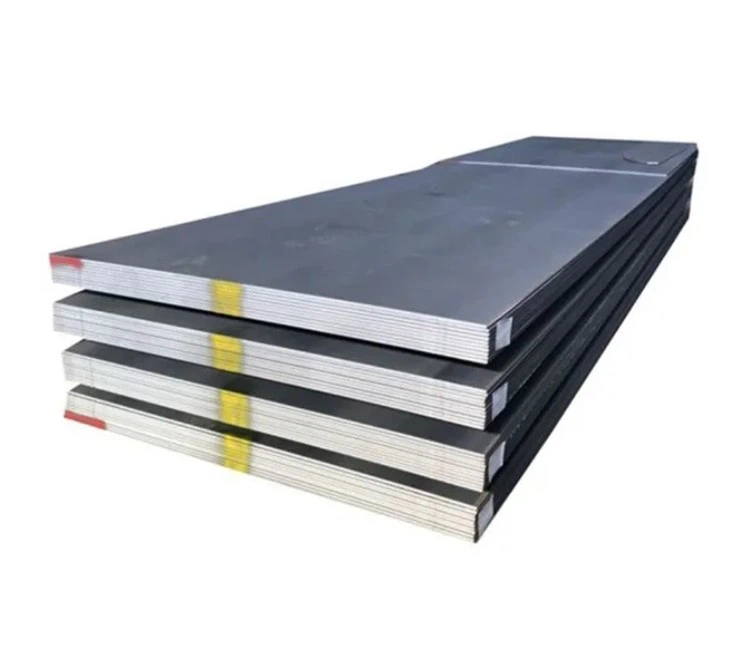
5. Defense and Military Applications
In defense and military sectors, steel plates are used to manufacture armored vehicles, battleships, and protective equipment.
Armored Vehicles: Steel plates provide the necessary protection in military vehicles, such as tanks and armored personnel carriers, making them resistant to bullets and explosions.
Bunkers and Fortifications: Steel plates are used in the construction of bunkers and military fortifications, providing robust protection from enemy fire and environmental hazards.
6. Energy Industry
Steel plates are integral to the energy sector, especially in the construction of power plants and renewable energy infrastructure.
Wind Towers: Steel plates are used in the construction of wind towers, where their strength supports the massive weight and height of the structure, ensuring stability in high winds.
Thermal Power Plants: In thermal power plants, steel plates are used in boilers, heat exchangers, and other critical components that must withstand high temperatures and pressures.
7. Pressure Vessels
Steel plates are crucial in the production of pressure vessels, which are used to store gases or liquids at high pressures.
Industrial Use: Pressure vessels made from steel plates are used in various industries, including chemical plants, oil refineries, and food processing, to safely contain volatile substances under pressure.
Safety Standards: The steel used in pressure vessels must meet strict industry standards to ensure that they do not rupture or leak under extreme pressure.
8. Automotive and Aerospace Industry
Steel plates are used in both the automotive and aerospace industries, particularly in parts that require high strength and resistance to impact and wear.
Aircraft Parts: In aerospace, steel plates are used in parts that endure extreme stress and temperature fluctuations, such as landing gears and engine components.
Automobile Chassis: In the automotive industry, steel plates are used in vehicle chassis and bodywork, providing rigidity, strength, and safety to the structure of the vehicle.
Conclusion
Steel plates are integral to modern industry due to their strength, versatility, and durability. From building towering skyscrapers to constructing bridges, ships, and machinery, steel plates offer essential support in critical applications. Their ability to withstand high pressure, extreme temperatures, and harsh environmental conditions makes them indispensable in industries like construction, shipbuilding, manufacturing, defense, and energy. The adaptability of steel plates to various forms and functions, combined with their cost-effectiveness, ensures their continued importance in modern infrastructure and industrial development.