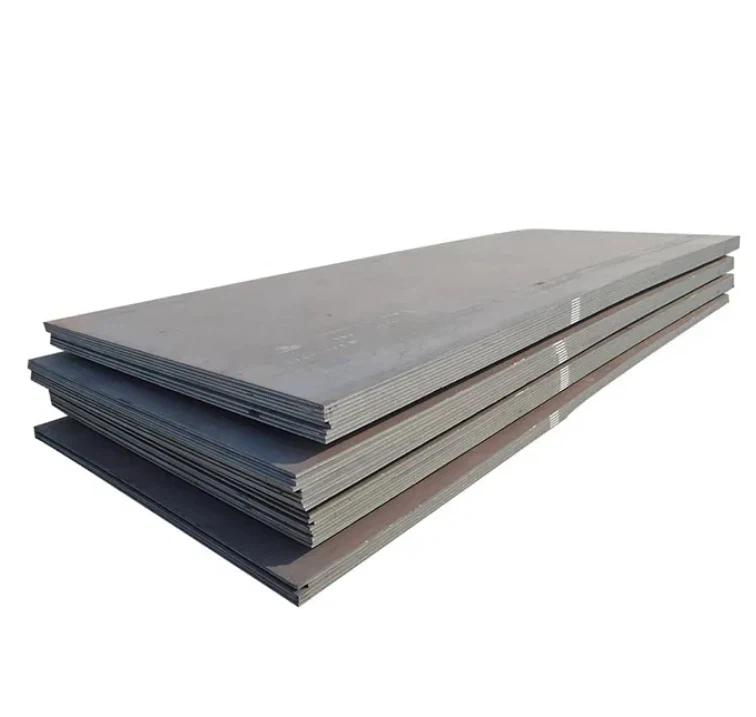
Steel is a versatile material categorized into four main general categories based on its composition and properties. These categories are:
1. Carbon Steel
Description: This is the most common type of steel, consisting mainly of iron and carbon. It may also contain small amounts of other elements like manganese, silicon, and copper.
Subcategories:
Low Carbon Steel (Mild Steel): Contains up to 0.3% carbon. It is ductile, easy to weld, and has good formability. Commonly used in construction, pipes, and automotive components.
Medium Carbon Steel: Contains 0.3% to 0.6% carbon. It has higher strength and hardness than low carbon steel but is less ductile. Often used in railway tracks, gears, and machinery parts.
High Carbon Steel: Contains 0.6% to 1.5% carbon. It is very hard and strong but less ductile. Used for tools, cutting instruments, and springs.
Applications: Structural beams, car parts, machinery, and tools.
2. Alloy Steel
Description: Alloy steel is made by adding various alloying elements (like chromium, nickel, molybdenum, vanadium, or tungsten) to carbon steel to enhance specific properties such as strength, toughness, corrosion resistance, or hardness.
Examples of Alloys:
Chromium Steel: High corrosion resistance, used in tools and knives.
Nickel Steel: Increased toughness, used in shafts, gears, and cables.
Chromoly (Chromium-Molybdenum Steel): Known for its strength and resistance to wear, used in automotive and aerospace applications.
Applications: Automotive parts, aerospace components, pipelines, and pressure vessels.
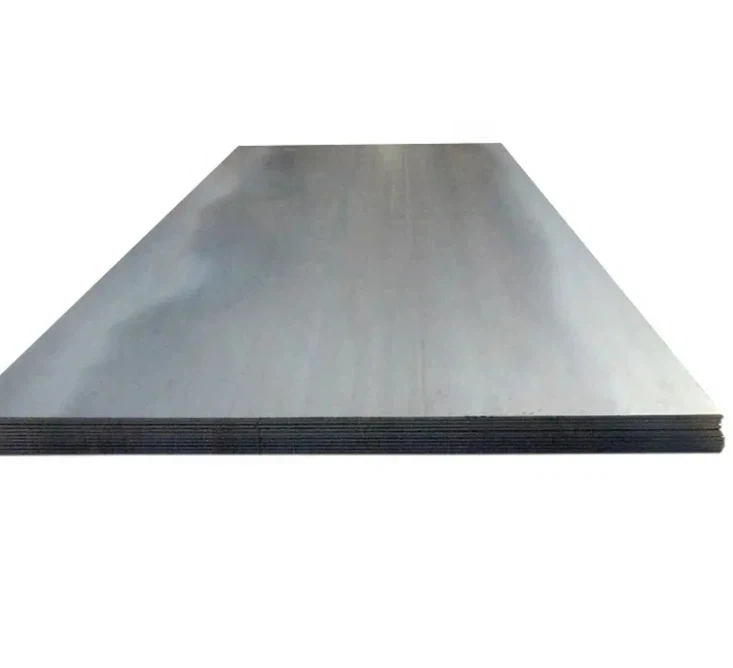
3. Stainless Steel
Description: Stainless steel is known for its corrosion resistance, achieved by adding at least 10.5% chromium. It may also contain nickel, molybdenum, and other elements to enhance its properties.
Types of Stainless Steel:
Austenitic Stainless Steel: The most common type, non-magnetic, highly corrosion-resistant. Used in kitchenware, medical devices, and food processing equipment.
Ferritic Stainless Steel: Magnetic, lower nickel content, good resistance to corrosion but less than austenitic. Used in automotive exhaust systems and appliances.
Martensitic Stainless Steel: Magnetic, higher carbon content, can be heat-treated for increased hardness. Used in cutlery, surgical instruments, and knives.
Duplex Stainless Steel: Combines austenitic and ferritic properties, offering higher strength and better resistance to stress corrosion cracking.
Applications: Cutlery, medical devices, chemical processing, construction, and kitchen appliances.
4. Tool Steel
Description: Tool steel is specially designed for making tools, dies, and molds. It contains a higher concentration of elements like tungsten, molybdenum, cobalt, and vanadium to give it high hardness, abrasion resistance, and ability to retain a sharp edge even at high temperatures.
Types of Tool Steel:
Water-Hardening (W-Series): High carbon content, needs water quenching, used in basic tools like files and knives.
Cold-Work Tool Steels (O, A, and D-Series): Resistant to wear and deformation at lower temperatures, used in dies and cutting tools.
Hot-Work Tool Steels (H-Series): Retain strength and hardness at high temperatures, used in forging and casting dies.
High-Speed Steel (HSS): High wear resistance and ability to cut at high speeds, used in drill bits and saw blades.
Applications: Cutting tools, dies, molds, and high-strength industrial components.
Summary
Carbon Steel: High strength and versatility, with a wide range of applications.
Alloy Steel: Enhanced properties for specific uses through added alloying elements.
Stainless Steel: High corrosion resistance, used in environments requiring hygiene or resistance to oxidation.
Tool Steel: High hardness and wear resistance, specifically for manufacturing tools and molds.
These categories cover the broad spectrum of steel types used across various industries, each offering distinct properties suited for different applications.