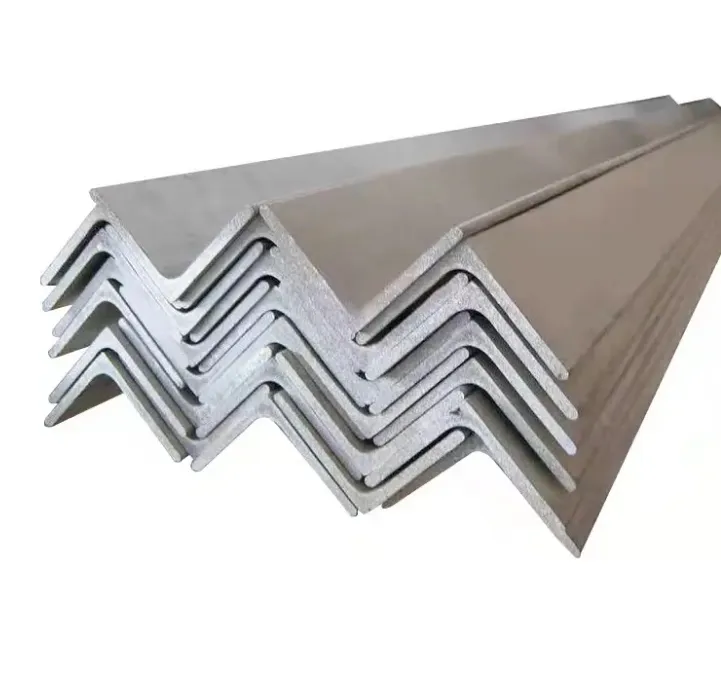
Angle bars, also known as angle irons, are L-shaped structural steel products used in a wide range of applications. As an angle bar supplier, I've encountered numerous inquiries about the materials used to manufacture these versatile components. In this blog post, I'll delve into the common materials for angle bars, their properties, and the suitability of each material for different applications.

Carbon Steel
Carbon steel is perhaps the most widely used material for angle bars. It is an alloy of iron and carbon, with carbon content typically ranging from 0.05% to 2.0%. The relatively simple composition of carbon steel makes it cost - effective and readily available, which is why it is so popular in the manufacturing of angle bars.
Properties
- Strength: Carbon steel angle bars offer good strength, making them suitable for load - bearing applications. The strength can be further enhanced through heat treatment processes such as quenching and tempering. For example, in building construction, carbon steel angle bars can be used as supports for frames, where they need to withstand significant weight.
- Ductility: They have a certain degree of ductility, which means they can be bent and formed into different shapes without breaking easily. This property is useful when customizing angle bars for specific projects.
- Weldability: Carbon steel is highly weldable, allowing for easy joining with other steel components. This makes it convenient for fabricators to assemble structures using carbon steel angle bars.
Applications
Carbon steel angle bars are used in various industries. In construction, they are used for framing buildings, supporting roofs, and as reinforcement in concrete structures. They are also commonly found in the manufacturing of machinery, where they provide structural support for equipment. You can find our high - quality Carbon Steel Angle Bar in our product range, which meets the strictest industry standards.

Galvanized Steel
Galvanized steel angle bars are carbon steel angle bars that have been coated with a layer of zinc through a process called galvanization. This coating provides an extra layer of protection against corrosion.
Properties
- Corrosion Resistance: The zinc coating acts as a sacrificial anode, protecting the underlying steel from rust and corrosion. This makes galvanized angle bars ideal for outdoor applications or environments where they are exposed to moisture, chemicals, or other corrosive substances.
- Durability: The zinc coating not only protects against corrosion but also adds to the overall durability of the angle bar. It can withstand harsh weather conditions and physical abrasion better than uncoated carbon steel.
- Low Maintenance: Galvanized angle bars require minimal maintenance. Once the zinc coating is applied, it provides long - term protection without the need for frequent painting or other protective treatments.
Applications
Galvanized angle bars are commonly used in outdoor structures such as fences, handrails, and signage supports. They are also used in the marine industry, where they are exposed to saltwater, and in industrial settings where they may come into contact with corrosive chemicals. Our Galvanised Angle Bar is a reliable choice for these applications, ensuring long - lasting performance.
Stainless Steel
Stainless steel is an alloy of iron, chromium, and other elements such as nickel and molybdenum. The chromium content in stainless steel forms a passive oxide layer on the surface, which gives it excellent corrosion resistance.
Properties
- Corrosion Resistance: Stainless steel angle bars are highly resistant to corrosion, even in harsh environments such as coastal areas or chemical plants. They do not rust or stain easily, maintaining their appearance and structural integrity over time.
- Aesthetic Appeal: Stainless steel has a sleek and modern appearance, making it a popular choice for architectural applications where aesthetics are important. It can be polished to a high shine or left with a brushed finish, depending on the design requirements.
- Hygiene: Stainless steel is non - porous and easy to clean, making it suitable for applications in the food and beverage industry, healthcare facilities, and other areas where hygiene is crucial.
Applications
Stainless steel angle bars are used in architectural projects for decorative purposes, such as in building facades, interior partitions, and handrails. They are also used in the food processing industry for equipment frames and supports, as well as in the chemical and pharmaceutical industries where corrosion resistance is essential.
Aluminum
Aluminum angle bars are made from aluminum alloys, which are lightweight and corrosion - resistant. Aluminum is the third most abundant element in the Earth's crust, making it a readily available and sustainable material choice.
Properties
- Lightweight: Aluminum angle bars are significantly lighter than steel angle bars, which makes them easier to handle and transport. This property is particularly advantageous in applications where weight is a concern, such as in the aerospace and automotive industries.
- Corrosion Resistance: Aluminum forms a natural oxide layer on its surface, which provides good corrosion resistance. It can be further enhanced through anodizing or other surface treatment processes.
- Electrical Conductivity: Aluminum is a good conductor of electricity, which makes it suitable for electrical applications such as grounding systems and electrical enclosures.
Applications
Aluminum angle bars are used in the aerospace industry for aircraft frames and components, where weight reduction is critical for fuel efficiency. They are also used in the automotive industry for body frames and structural supports. In addition, they are commonly used in signage and display systems due to their lightweight and corrosion - resistant properties.
Perforated Angle Bars
Perforated angle bars are angle bars that have been punched with holes. They can be made from any of the materials mentioned above, such as carbon steel, galvanized steel, stainless steel, or aluminum.
Properties
- Versatility: The holes in perforated angle bars allow for easy installation of other components, such as pipes, cables, or brackets. They can also be used for ventilation or drainage purposes.
- Customization: Perforated angle bars can be customized with different hole sizes, patterns, and spacings to meet specific project requirements.
Applications
Perforated angle bars are used in a variety of applications, including industrial shelving, cable management systems, and machine guards. Our Perforated Angle Bar offers a range of options to suit different needs, providing both functionality and flexibility.
Choosing the Right Material
When choosing the material for an angle bar, several factors need to be considered:
- Application Environment: If the angle bar will be used outdoors or in a corrosive environment, galvanized steel or stainless steel may be the best choice. For indoor applications with low corrosion risk, carbon steel may be sufficient.
- Load Requirements: For heavy - load applications, high - strength carbon steel or stainless steel may be required. Aluminum angle bars are more suitable for applications where weight is a concern rather than high load - bearing capacity.
- Aesthetic Considerations: If the appearance of the angle bar is important, stainless steel or aluminum may be preferred due to their attractive finishes.
- Cost: Carbon steel is generally the most cost - effective option, while stainless steel and some high - performance aluminum alloys can be more expensive.
As an angle bar supplier, we understand the importance of providing the right material for each customer's specific needs. Our team of experts can assist you in selecting the most suitable angle bar material based on your project requirements.
Contact Us for Procurement
If you are in need of angle bars for your project, we invite you to contact us for procurement. Our extensive range of angle bars, including Perforated Angle Bar, Galvanised Angle Bar, and Carbon Steel Angle Bar, ensures that you can find the perfect solution for your application. We are committed to providing high - quality products and excellent customer service. Whether you have a small - scale project or a large - scale industrial application, we can meet your angle bar needs.
References
- "Metals Handbook Desk Edition", ASM International.
- "Steel Construction Manual", American Institute of Steel Construction.
- "Aluminum Association Technical Papers", Aluminum Association.