Hey there! As a supplier of square tubes, I often get asked about the yield strength of these products. So, I thought I'd take some time to break it down for you in a way that's easy to understand.
First off, let's talk about what yield strength actually means. In simple terms, yield strength is the amount of stress a material can handle before it starts to deform permanently. When a square tube is subjected to external forces, like pressure or weight, it will start to bend or change shape once it reaches its yield strength. This is an important factor to consider, especially if you're using square tubes in construction, manufacturing, or any other application where structural integrity is key.
The yield strength of a square tube can vary depending on several factors. One of the main factors is the material the tube is made from. Common materials for square tubes include steel, aluminum, and stainless steel, each with its own unique yield strength characteristics.
Steel square tubes are widely used due to their high strength and durability. The yield strength of steel can vary based on its grade and composition. For example, mild steel, which is a common type of steel used in square tubes, typically has a yield strength ranging from around 250 to 350 megapascals (MPa). Higher-grade steels, such as high-strength low-alloy (HSLA) steels, can have yield strengths of 400 MPa or more. These stronger steels are often used in applications where greater load-bearing capacity is required, like in building frames or heavy machinery.
Aluminum square tubes, on the other hand, are known for being lightweight and corrosion-resistant. The yield strength of aluminum is generally lower than that of steel. Depending on the alloy, aluminum square tubes can have yield strengths ranging from about 100 to 300 MPa. Despite their lower strength compared to steel, aluminum tubes are still a popular choice in applications where weight is a concern, such as in the aerospace and automotive industries.
Stainless steel square tubes offer excellent corrosion resistance, making them suitable for use in harsh environments. The yield strength of stainless steel can vary depending on the specific grade. Austenitic stainless steels, which are commonly used, typically have yield strengths in the range of 200 to 300 MPa. However, some precipitation-hardened stainless steels can have much higher yield strengths, reaching up to 1000 MPa or more.
Another factor that affects the yield strength of a square tube is its size and wall thickness. Generally, tubes with thicker walls will have a higher yield strength because they can withstand more stress before deforming. For example, a square tube with a thicker wall will be able to support more weight or pressure compared to a tube with a thinner wall of the same material and size.
The manufacturing process also plays a role in determining the yield strength. Tubes that are cold-formed often have a higher yield strength than those that are hot-rolled. Cold-forming involves shaping the tube at room temperature, which can work-harden the material and increase its strength.
Now, let's talk about why knowing the yield strength of a square tube is so important. When you're designing a structure or a product that uses square tubes, you need to make sure the tubes can handle the expected loads. If you choose a tube with a yield strength that's too low, it may deform or fail under the applied stress, which can lead to safety issues and costly repairs. On the other hand, if you choose a tube with a much higher yield strength than necessary, you may end up spending more money than you need to.

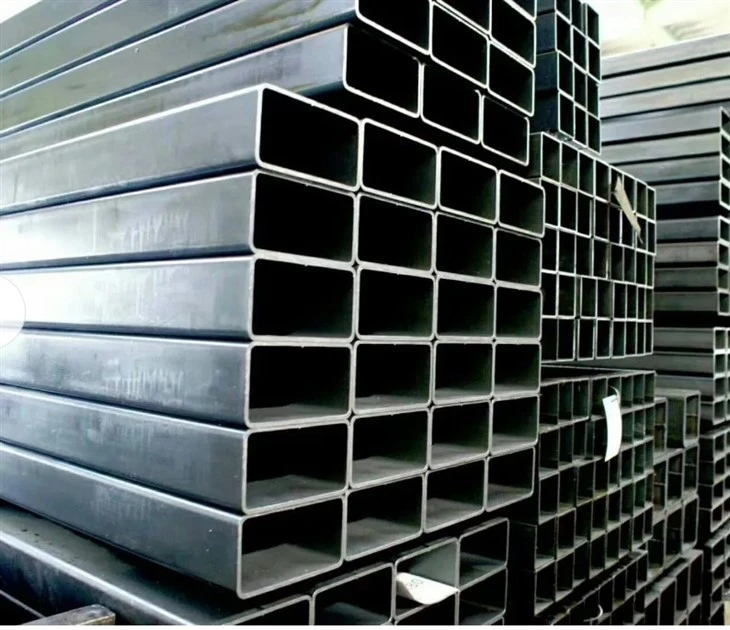
At our company, we offer a wide range of square tubes to meet different needs. Whether you're looking for 4X4 Metal Tubing, Square Hollow Section Steel, or Black Square Tubing, we've got you covered. Our team of experts can help you select the right square tube with the appropriate yield strength for your specific application.
If you're in the market for square tubes and have questions about yield strength or any other aspect of our products, don't hesitate to reach out. We're here to assist you in making the best choice for your project. Whether you're a contractor, a manufacturer, or a DIY enthusiast, we can provide you with the high-quality square tubes you need at competitive prices.
In conclusion, understanding the yield strength of a square tube is crucial for ensuring the safety and performance of your projects. By considering factors like material, size, wall thickness, and manufacturing process, you can select the right square tube for your specific requirements. And if you need any help along the way, we're just a message or a call away.
References
- ASM Handbook Volume 1: Properties and Selection: Irons, Steels, and High-Performance Alloys
- Aluminum Association, Inc. Aluminum Standards and Data
- The Stainless Steel Handbook
So, what are you waiting for? Contact us today to start discussing your square tube needs and let's work together to find the perfect solution for your project.