Hey there! As a supplier of 100Mm C Purlins, I often get asked about how to test the quality of these products. It's super important, especially when you're looking to use them in construction projects. In this blog, I'll share some practical ways to test the quality of 100Mm C Purlins, and trust me, it'll help you make the right choice.
First off, let's talk about what 100Mm C Purlins are. They're a type of structural support commonly used in building construction. You can check out more about them here. These purlins are designed to provide stability and support to roofs and walls, so their quality can directly impact the safety and durability of a building.
Visual Inspection
The first step in testing the quality of 100Mm C Purlins is a simple visual inspection. When you receive the purlins, take a good look at them. Check for any visible defects like cracks, dents, or warping. Cracks can weaken the structure of the purlin and may lead to failure under load. Dents can also affect the strength and integrity of the purlin, especially if they're deep. Warping can cause problems during installation and may result in an uneven roof or wall surface.
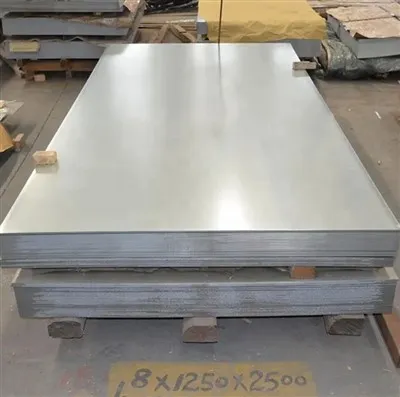
Another thing to look for is the coating. Most 100Mm C Purlins are galvanized to prevent rust and corrosion. The galvanized coating should be smooth and evenly applied. If you see any areas where the coating is peeling or flaking, it could be a sign of poor quality. Rust spots are also a big no - no. Even small rust spots can spread over time and compromise the strength of the purlin.
Dimensional Accuracy
Dimensional accuracy is crucial for 100Mm C Purlins. They need to be the right size and shape to fit properly in your construction project. Use a measuring tape or caliper to check the dimensions of the purlins. The width, height, and thickness should match the specifications provided by the supplier. Any significant deviation from the specified dimensions can cause problems during installation and may affect the overall performance of the structure.
For example, if the purlin is too wide or too thick, it may not fit into the pre - drilled holes or slots in the building frame. On the other hand, if it's too narrow or too thin, it may not provide sufficient support. Make sure to measure multiple points along the length of the purlin to ensure consistency.
Material Testing
To really get an in - depth understanding of the quality of 100Mm C Purlins, material testing is necessary. One common test is the tensile strength test. This test measures the maximum amount of tensile (pulling) force that the purlin can withstand before breaking. A high - quality 100Mm C Purlin should have a sufficient tensile strength to handle the loads it will be subjected to in the building.
Another important test is the hardness test. The hardness of the material affects its resistance to wear, deformation, and cracking. A purlin with the right hardness will be more durable and less likely to fail under normal use. There are different methods for hardness testing, such as the Brinell hardness test and the Rockwell hardness test.
Chemical composition analysis is also a good idea. This test can determine the exact elements and their proportions in the purlin material. The right chemical composition is essential for achieving the desired mechanical properties. For example, the presence of certain elements in the right amounts can improve the strength and corrosion resistance of the purlin.
Load Testing
Load testing is a practical way to assess the performance of 100Mm C Purlins under real - world conditions. You can set up a simple load - testing rig to simulate the loads that the purlin will experience in a building. Apply a gradually increasing load to the purlin and observe how it responds.
The purlin should be able to support the expected load without excessive deflection or failure. Excessive deflection can cause problems such as sagging roofs or walls, which can be both aesthetically unappealing and structurally dangerous. If the purlin fails during the load test, it clearly indicates a quality issue.
Comparison with Standards
It's always a good idea to compare the 100Mm C Purlins you're testing with relevant industry standards. There are standards set by organizations like ASTM (American Society for Testing and Materials) and ISO (International Organization for Standardization). These standards define the requirements for the quality, performance, and safety of construction materials.
By comparing your purlins with these standards, you can ensure that they meet the minimum requirements for use in your project. If the purlins don't meet the standards, it's a red flag, and you may want to reconsider using them.
Related Products
While we're on the topic of structural supports, you might also be interested in Slotted U Channel and Galvanised C Section Channel. These products are often used in conjunction with 100Mm C Purlins to provide additional support and flexibility in construction projects.
Conclusion
Testing the quality of 100Mm C Purlins is essential for ensuring the safety and durability of your construction projects. By performing visual inspections, checking dimensional accuracy, conducting material and load testing, and comparing with industry standards, you can make an informed decision about the quality of the purlins.


If you're in the market for high - quality 100Mm C Purlins or any of the related products I mentioned, don't hesitate to get in touch. We're here to help you with your construction needs and ensure that you get the best products for your project.
References
- ASTM International. "ASTM Standards for Structural Steel Products."
- International Organization for Standardization. "ISO Standards for Construction Materials."