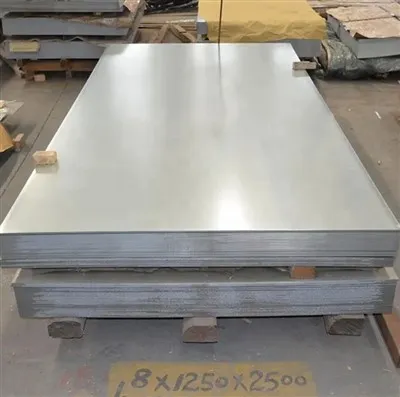
Hey there! As a carbon steel coil supplier, I often get asked about the rewinding process for carbon steel coils. It's a pretty important part of getting the steel in the right shape and form for various applications. So, let's dive right into what this rewinding process is all about.
What is Rewinding?
Rewinding is basically taking a large carbon steel coil and making it into a more manageable or specific-sized coil. It might sound simple, but there's a lot that goes into it. We start with a big, heavy coil of carbon steel. This coil could have been produced at a steel mill, and it's usually in a standard size that might not be ideal for every customer's needs.
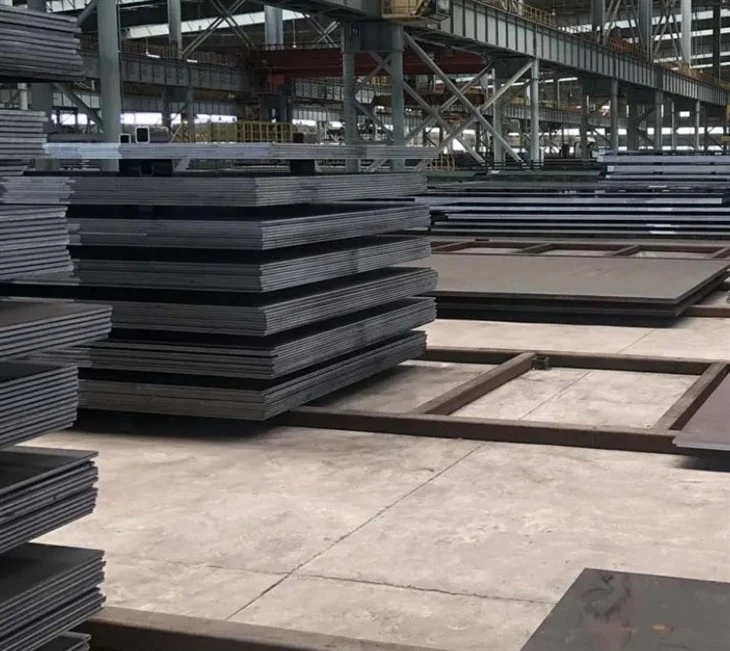
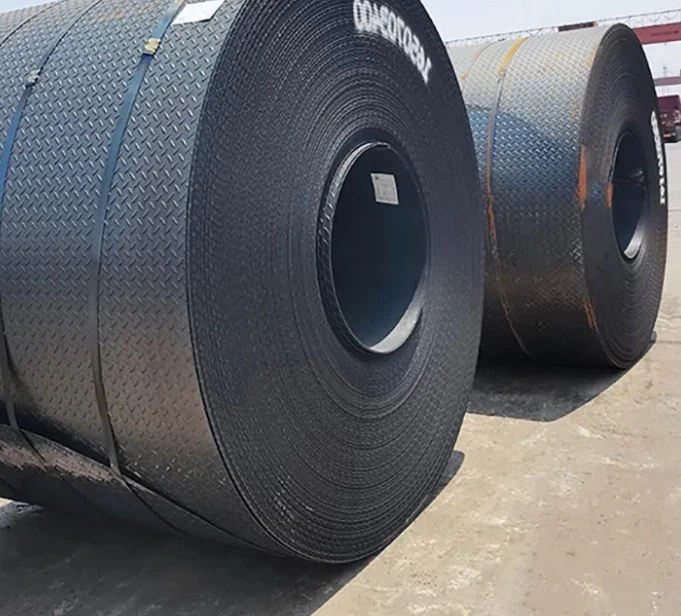
The first step in the rewinding process is to load the original carbon steel coil onto a decoiler. This is a machine that helps unwind the steel coil. It needs to be set up carefully so that the steel unwinds smoothly without any kinks or tangles. Once the coil is loaded onto the decoiler, the end of the steel strip is fed into the rewinding machine.
The Rewinding Machine
The rewinding machine is the heart of the process. It has a few key components that work together to create the new coil. There are rollers that guide the steel strip as it moves through the machine. These rollers are adjustable to make sure the steel stays in the right position and is wound evenly.
There's also a tension control system. This is super important because if the tension is too high, the steel could break. And if it's too low, the coil won't be wound tightly enough. The tension control system monitors and adjusts the tension as the steel is being rewound.
As the steel moves through the rewinding machine, it's wound onto a new mandrel. A mandrel is like a spool that the steel coil forms around. The size of the mandrel can be changed depending on the size of the new coil we want to create.
Quality Control
Throughout the rewinding process, we keep a close eye on the quality of the steel. We check for things like surface defects, such as scratches or dents. If we find any issues, we can make adjustments to the machine or take the necessary steps to fix the problem.
We also measure the thickness and width of the steel strip at regular intervals. This ensures that the new coil meets the customer's specifications. Any deviations from the required dimensions could cause problems for the customer later on, so we make sure everything is spot-on.
Benefits of Rewinding
There are several benefits to rewinding carbon steel coils. One of the main benefits is that it allows us to create coils of different sizes. For example, a customer might need a smaller coil for a specific project. By rewinding a larger coil, we can provide them with a coil that's the perfect size.
Rewinding also helps improve the quality of the steel. The process can help remove any kinks or unevenness in the original coil. This results in a more uniform and consistent coil that's easier to work with.
Another benefit is that it can make the handling and transportation of the steel more efficient. Smaller coils are lighter and easier to move around, which can save time and money for both us and the customer.
Different Types of Carbon Steel Coils
We deal with different types of carbon steel coils, and the rewinding process might vary slightly depending on the type. For example, we have Mill Sheet Ss400. This type of carbon steel is commonly used in construction and manufacturing. The rewinding process for Mill Sheet Ss400 needs to be precise to maintain its strength and durability.
Then there's Cr Coil Sheet. Cr Coil Sheet is cold-rolled, which means it has a smoother surface finish compared to hot-rolled steel. The rewinding process for Cr Coil Sheet requires extra care to avoid damaging the smooth surface.
We also have Hr Cr Coils. These coils are a combination of hot-rolled and cold-rolled steel. The rewinding process for Hr Cr Coils needs to take into account the different properties of both types of steel.
Applications of Rewound Carbon Steel Coils
Once the carbon steel coils are rewound, they can be used in a wide range of applications. In the automotive industry, rewound carbon steel coils are used to make parts like car frames and body panels. The precise size and quality of the coils are crucial for ensuring the safety and performance of the vehicles.
In the construction industry, rewound carbon steel coils are used for things like beams, columns, and roofing. The strength and durability of the steel make it an ideal material for these applications.
The manufacturing industry also relies on rewound carbon steel coils. They're used to make all sorts of products, from appliances to machinery parts.
Why Choose Our Rewound Carbon Steel Coils
As a carbon steel coil supplier, we take pride in our rewinding process. We have state-of-the-art equipment and a team of experienced technicians who know how to get the job done right. We can create coils in a variety of sizes and specifications to meet your specific needs.
Our quality control measures ensure that every coil we produce is of the highest quality. We stand behind our products and are committed to providing excellent customer service.
If you're in the market for rewound carbon steel coils, we'd love to hear from you. Whether you're a small business or a large corporation, we can work with you to find the right solution for your needs. Just reach out to us, and we can start the conversation about your carbon steel coil requirements.
Conclusion
The rewinding process for carbon steel coils is a complex but important part of getting the steel into the right shape and form for various applications. It involves careful setup, precise control, and strict quality control. By understanding the rewinding process, you can make more informed decisions when it comes to choosing carbon steel coils for your projects.
If you have any questions or want to discuss your carbon steel coil needs, don't hesitate to contact us. We're here to help you find the best solution for your business.
References
- Steel Industry Handbook
- Carbon Steel Manufacturing Guidelines