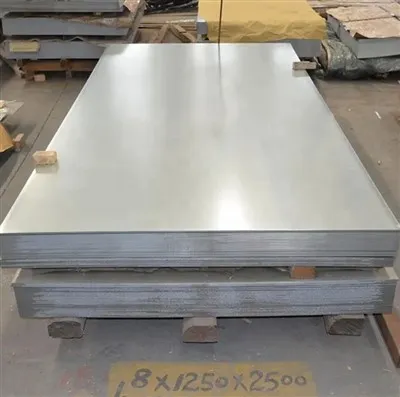
When it comes to construction and manufacturing, angle bars are a staple in the industry. They provide structural support, are used for framing, and can be found in a variety of applications from building bridges to fabricating machinery. Among the many grades of angle bars available, A36 angle bar stands out for several reasons. As a supplier of A36 angle bar, I am often asked about the differences between A36 and other grades. In this blog, I will delve into these differences to help you understand which grade is the best fit for your project.
Chemical Composition
The chemical composition of an angle bar significantly affects its properties and performance. A36 angle bar is a carbon steel with a relatively simple chemical makeup. It contains a maximum of 0.29% carbon, 0.05% phosphorus, and 0.06% sulfur. The low carbon content makes A36 steel relatively soft and ductile, which means it can be easily formed, welded, and machined.


In contrast, other grades of angle bars may have different chemical compositions tailored to specific applications. For example, some high - strength low - alloy (HSLA) angle bars contain small amounts of alloying elements such as copper, nickel, chromium, and molybdenum. These elements enhance the strength and corrosion resistance of the steel. Stainless steel angle bars, on the other hand, have a high chromium content (usually at least 10.5%), which forms a passive oxide layer on the surface, providing excellent corrosion resistance.
Mechanical Properties
One of the most important differences between A36 angle bar and other grades lies in their mechanical properties. A36 has a yield strength of 36,000 psi (pounds per square inch) and a tensile strength ranging from 58,000 to 80,000 psi. Its elongation at break is typically around 20 - 25%, indicating good ductility.
HSLA angle bars generally have a higher yield strength than A36. For instance, some HSLA grades can have a yield strength of 50,000 psi or more. This makes them suitable for applications where high strength is required, such as in large - scale construction projects or heavy - duty machinery. However, the increased strength often comes at the cost of reduced ductility compared to A36.
Stainless steel angle bars also have unique mechanical properties. They can have a wide range of strength and ductility depending on the specific grade. Some austenitic stainless steel angle bars have excellent corrosion resistance but may have lower yield and tensile strengths compared to high - strength carbon or HSLA steels. However, they are often used in applications where corrosion resistance is the primary concern, such as in marine environments or food processing facilities.
Weldability
Weldability is a crucial factor when choosing an angle bar for a project. A36 angle bar is known for its excellent weldability. Due to its low carbon content and relatively simple chemical composition, it can be welded using a variety of welding processes, including shielded metal arc welding (SMAW), gas metal arc welding (GMAW), and flux - cored arc welding (FCAW). This makes it a popular choice for fabricators who need to join angle bars together to create complex structures.
Some other grades of angle bars may pose challenges in welding. For example, high - strength steels with complex alloying elements may require special welding procedures and pre - and post - weld heat treatments to prevent cracking and ensure proper joint strength. Stainless steel angle bars also need specific welding techniques to maintain their corrosion - resistant properties. Improper welding can lead to the formation of heat - affected zones that are susceptible to corrosion.
Corrosion Resistance
Corrosion resistance is another key difference between A36 angle bar and other grades. A36 is a carbon steel, and without proper protection, it is prone to rusting when exposed to moisture and oxygen. However, it can be coated or galvanized to enhance its corrosion resistance. Galvanized Steel Angle Bar is a popular option for A36 angle bars, where a layer of zinc is applied to the surface to provide a sacrificial barrier against corrosion.
Stainless steel angle bars, as mentioned earlier, have inherent corrosion resistance due to the presence of chromium. They can withstand harsh environments without significant corrosion, making them ideal for outdoor or high - humidity applications. HSLA angle bars may have some improved corrosion resistance compared to plain carbon steel, but it is generally not as high as that of stainless steel.
Cost
Cost is always a consideration in any project. A36 angle bar is relatively inexpensive compared to many other grades. Its simple chemical composition and wide availability make it a cost - effective choice for a variety of applications. The cost - effectiveness of A36 is especially beneficial for large - scale projects where a large quantity of angle bars is required.
Stainless steel angle bars are typically more expensive due to the cost of the alloying elements and the more complex manufacturing processes. HSLA angle bars can also be more costly than A36, especially if they contain rare or expensive alloying elements. However, the additional cost may be justified in applications where the unique properties of these grades are essential.
Applications
The differences in properties between A36 angle bar and other grades translate into different applications. A36 angle bar is commonly used in general construction, such as building frames, support structures, and stair stringers. Its good weldability and formability make it easy to customize for various project requirements. Perforated Angle Bar made from A36 is often used in fencing, grating, and other applications where ventilation or drainage is needed.
HSLA angle bars are used in high - stress applications, such as in the construction of high - rise buildings, bridges, and heavy - duty equipment. Their high strength allows for the use of smaller cross - sections, reducing the overall weight of the structure.
Stainless steel angle bars are used in applications where corrosion resistance is critical, such as in chemical plants, food processing facilities, and marine structures. Angle Bar 2X2X1 4 made from stainless steel is often used in architectural applications for its aesthetic appeal and durability.
Conclusion
In conclusion, the differences between A36 angle bar and other grades are significant and should be carefully considered when selecting the right angle bar for your project. A36 offers a good balance of cost, weldability, and formability, making it a versatile choice for many general construction and manufacturing applications. However, other grades such as HSLA and stainless steel may be more suitable for specialized applications where high strength or corrosion resistance is required.
If you are in the market for angle bars and need more information or assistance in choosing the right grade for your project, I encourage you to reach out for a detailed discussion. Our team of experts is ready to help you make an informed decision and provide you with high - quality A36 angle bars and other related products.
References
- ASM Handbook Committee. (2004). ASM Handbook Volume 1: Properties and Selection: Irons, Steels, and High - Performance Alloys. ASM International.
- American Institute of Steel Construction. (2017). Manual of Steel Construction. American Institute of Steel Construction.