Steel Z purlins are essential components in the construction industry, widely used for roofing and wall support structures. As a supplier of Steel Z purlins, I am often asked about the production process. In this blog, I will take you through the step-by-step journey of how Steel Z purlins are made.
Raw Material Selection
The production of Steel Z purlins begins with the careful selection of raw materials. High-quality steel is the foundation of a durable and reliable purlin. We typically source steel coils that meet specific industry standards for strength, ductility, and corrosion resistance. The steel coils are usually made from low-carbon steel, which offers a good balance between strength and formability.
The quality of the raw material is crucial as it directly impacts the performance of the final product. We work closely with trusted steel mills to ensure that the steel we receive is free from defects, has the correct chemical composition, and meets our strict quality control standards.


Uncoiling and Straightening
Once the steel coils arrive at our production facility, the first step is to uncoil them. Specialized uncoiling machines are used to unwind the steel coil at a controlled speed. This process requires precision to prevent any kinks or twists in the steel strip.
After uncoiling, the steel strip goes through a straightening process. Straightening is essential to ensure that the steel is flat and free from any bends or curves. This is achieved using a series of rollers that apply pressure to the steel strip, gradually flattening it. A well-straightened steel strip is crucial for the subsequent forming process, as it ensures uniform shaping of the Z purlin.
Roll Forming
Roll forming is the heart of the Steel Z purlin production process. In this stage, the straightened steel strip is passed through a series of roll forming machines. Each machine in the roll forming line has a set of rollers with a specific shape. As the steel strip moves through the rollers, it is gradually shaped into the characteristic Z profile.
The roll forming process is highly precise and can be adjusted to produce Z purlins of different sizes and thicknesses. The speed of the roll forming line is carefully controlled to ensure consistent quality and accurate dimensions. During the roll forming process, we also monitor the steel strip for any signs of defects, such as cracks or uneven shaping.
Cutting
Once the steel strip has been formed into the Z profile, it needs to be cut to the desired length. Cutting is typically done using a flying shear or a guillotine cutter. The cutting process is automated and synchronized with the roll forming line to ensure that the Z purlins are cut to the exact length specified by the customer.
Accurate cutting is crucial as it determines the final length of the Z purlin, which is important for proper installation in construction projects. After cutting, the Z purlins are inspected to ensure that the cut edges are clean and free from any burrs or rough spots.
Holes and Slots Punching (Optional)
Depending on the customer's requirements, holes and slots may be punched in the Steel Z purlins. Holes and slots are often used for fastening the purlins to other structural components, such as rafters or columns. Punching is done using specialized punching machines that can create holes and slots of different sizes and shapes.
The punching process is carefully planned to ensure that the holes and slots are located in the correct positions and do not compromise the structural integrity of the Z purlin. We use computer-aided design (CAD) software to precisely position the holes and slots based on the customer's specifications.
Surface Treatment
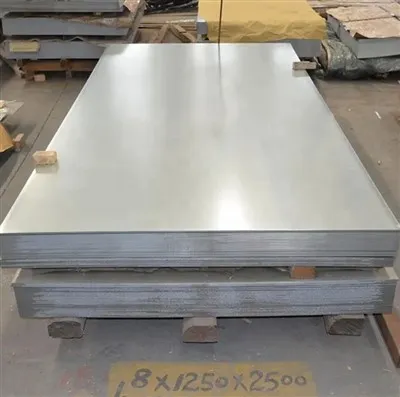
Surface treatment is an important step in the production of Steel Z purlins, as it enhances their corrosion resistance and durability. The most common surface treatment for Steel Z purlins is galvanization. Galvanization involves coating the purlins with a layer of zinc, which acts as a sacrificial anode, protecting the steel from rust and corrosion.
There are two main methods of galvanization: hot-dip galvanizing and electro-galvanizing. Hot-dip galvanizing is the more common method, where the Z purlins are immersed in a bath of molten zinc. This process creates a thick and durable zinc coating that provides long-term protection against corrosion. Electro-galvanizing, on the other hand, involves depositing a thin layer of zinc on the surface of the purlins using an electric current.
In addition to galvanization, other surface treatments such as painting or powder coating may also be applied to the Z purlins, depending on the specific requirements of the project.
Quality Control
Quality control is an integral part of the Steel Z purlin production process. At every stage of production, from raw material selection to final packaging, we conduct rigorous quality checks. We use a variety of inspection tools and techniques, such as calipers, micrometers, and visual inspections, to ensure that the Z purlins meet our strict quality standards.
We also perform mechanical tests, such as tensile tests and hardness tests, to verify the strength and durability of the Z purlins. Any Z purlins that do not meet our quality standards are rejected and either reworked or recycled.
Packaging and Storage
After passing the quality control checks, the Steel Z purlins are ready for packaging. Packaging is important to protect the purlins during transportation and storage. We typically package the Z purlins in bundles and secure them with straps. The bundles are then wrapped in plastic or other protective materials to prevent damage from moisture and dirt.
Proper storage is also crucial to maintain the quality of the Z purlins. We store the packaged Z purlins in a dry and well-ventilated area, away from direct sunlight and moisture. This helps to prevent corrosion and ensures that the Z purlins are in good condition when they reach the customer.
Conclusion
The production of Steel Z purlins is a complex and precise process that involves multiple stages, from raw material selection to packaging. Each stage is carefully controlled to ensure the production of high-quality Z purlins that meet the needs of the construction industry.
As a supplier of Steel Z purlins, we are committed to providing our customers with products of the highest quality. Our state-of-the-art production facilities, experienced workforce, and strict quality control measures ensure that every Z purlin we produce is reliable and durable.
If you are in the market for Steel Z purlins, Z Section Steel, Galvanised C Section Channel or Formed Steel Channel, we would be delighted to discuss your requirements. Contact us today to start a conversation about your next project. We look forward to working with you to provide the best solutions for your construction needs.
References
- "Steel Construction Manual", American Institute of Steel Construction
- "Roll Forming Technology Handbook", Roll Forming Association International