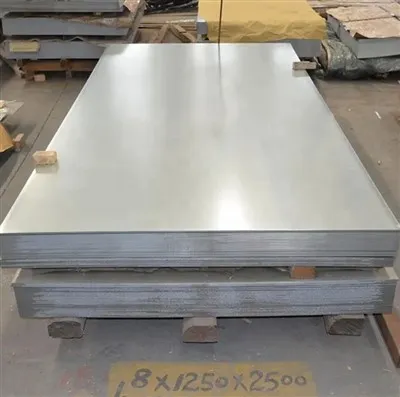
When it comes to the construction and manufacturing industries, Z section steel is a versatile and widely used material. Its unique shape offers excellent structural support and is commonly employed in various applications, from roofing and wall systems to industrial frames. As a leading Z section steel supplier, I often receive inquiries about the optimal thickness for different applications. In this blog post, I will delve into the factors that influence the choice of thickness and provide guidance on selecting the right thickness for specific uses.
Understanding Z Section Steel
Z section steel, also known as Z purlins, is characterized by its Z-shaped cross-section. This shape provides superior strength-to-weight ratio compared to other common steel profiles, making it an ideal choice for applications where structural integrity and efficiency are paramount. The Z shape allows for easy interlocking and overlapping, which simplifies installation and enhances the overall stability of the structure.
Factors Influencing the Optimal Thickness
Several factors need to be considered when determining the optimal thickness of Z section steel for a particular application. These factors include:
Load Requirements
One of the most critical factors is the load that the Z section steel will need to support. This includes both dead loads (the weight of the structure itself) and live loads (such as snow, wind, or human traffic). Heavier loads require thicker steel sections to ensure that the structure can withstand the forces without excessive deflection or failure. For example, in a large industrial building with a heavy roof load, a thicker Z section steel may be necessary to provide adequate support.
Span Length
The span length, or the distance between supports, also plays a significant role in determining the thickness. Longer spans generally require thicker steel to prevent excessive bending and sagging. As the span increases, the stress on the steel section also increases, and a thicker section is needed to maintain the structural integrity. For instance, in a building with a long-span roof, a thicker Z section steel may be required to support the weight of the roofing material over the extended distance.
Environmental Conditions
The environmental conditions in which the Z section steel will be used can also affect the choice of thickness. In areas with high wind or seismic activity, thicker steel sections may be necessary to provide additional strength and stability. Additionally, exposure to corrosive elements, such as saltwater or industrial chemicals, may require a thicker coating or a more corrosion-resistant steel alloy to prevent premature deterioration.
Building Codes and Standards
Building codes and standards often specify the minimum thickness requirements for different applications. These codes are designed to ensure the safety and structural integrity of buildings and structures. It is essential to comply with these regulations to avoid potential legal issues and ensure the long-term performance of the structure. When selecting the thickness of Z section steel, it is important to consult the relevant building codes and standards for the specific project location.
Optimal Thickness for Different Applications
Roofing Systems
In roofing applications, Z section steel is commonly used as purlins to support the roofing material. The optimal thickness for roofing purlins depends on the span length, roof load, and local building codes. For short spans (less than 6 meters) with light roof loads, a thickness of 1.5 to 2.0 mm may be sufficient. However, for longer spans or heavier roof loads, a thickness of 2.5 to 3.0 mm or more may be required.
Wall Systems
Z section steel can also be used in wall systems as studs or rails. The thickness of the steel for wall applications depends on the height of the wall, the load it needs to support, and the spacing of the studs or rails. For interior non-load-bearing walls, a thinner steel section may be sufficient, typically ranging from 1.0 to 1.5 mm. However, for exterior load-bearing walls or walls subject to high wind loads, a thicker section of 2.0 to 2.5 mm or more may be necessary.


Industrial Frames
In industrial applications, Z section steel is often used to construct frames for machinery, equipment, or storage racks. The thickness of the steel for industrial frames depends on the specific requirements of the application, such as the weight of the equipment or the capacity of the storage rack. For light-duty frames, a thickness of 1.5 to 2.0 mm may be adequate, while for heavy-duty frames, a thickness of 2.5 to 3.0 mm or more may be required.
Choosing the Right Z Section Steel
As a Z section steel supplier, I understand the importance of choosing the right thickness for your specific application. That's why I offer a wide range of Z section steel products in various thicknesses to meet the diverse needs of my customers. Whether you're working on a small residential project or a large industrial development, I can help you select the optimal thickness of Z section steel based on your requirements.
In addition to providing high-quality Z section steel, I also offer expert advice and technical support to ensure that you make the right choice. My team of experienced engineers and sales representatives can assist you in understanding the factors that influence the choice of thickness and help you select the most suitable product for your project.
Where to Find Z Section Steel
If you're looking for high-quality Z section steel for your next project, look no further. I offer a comprehensive range of Z section steel products, including Formed Steel Channel, 100Mm C Purlins, and Steel Z Purlins. Our products are manufactured to the highest standards and are available in a variety of thicknesses and sizes to meet your specific requirements.
Contact Us for a Quote
If you're interested in purchasing Z section steel for your project, I encourage you to contact us for a quote. Our team will be happy to discuss your needs and provide you with a competitive price. We offer flexible delivery options and excellent customer service to ensure that your project runs smoothly.
In conclusion, choosing the optimal thickness for different applications of Z section steel is a critical decision that requires careful consideration of various factors. By understanding the load requirements, span length, environmental conditions, and building codes, you can select the right thickness to ensure the safety and structural integrity of your project. As a trusted Z section steel supplier, I am committed to providing high-quality products and expert advice to help you make the best choice for your needs. Contact us today to discuss your project and let us help you find the perfect Z section steel solution.
References
- "Structural Steel Design Handbook," Lin, T. Y., & Yu, W. W. (2006).
- "Building Codes and Standards," International Code Council (ICC).
- "Steel Construction Manual," American Institute of Steel Construction (AISC).