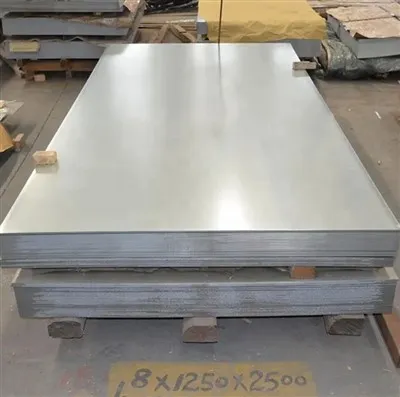
Hey there! As a supplier of Ipe S235, I get asked a lot about the maximum cold - forming ratio of this material. So, let's dive right into it and figure out what this is all about.
First off, what exactly is Ipe S235? Well, Ipe S235 is a type of structural steel that's commonly used in construction and engineering projects. It's part of the European standard for hot - rolled structural steel sections. You can learn more about it on this Ipe S235 page. It has good mechanical properties, making it suitable for various applications, like building frames, bridges, and more.
Now, let's talk about cold - forming. Cold - forming is a process where steel is shaped at room temperature, without the need for heating it up to high temperatures. This process has a bunch of advantages. It's cost - effective because you don't have to spend money on heating equipment and energy. It also allows for high - precision shaping, which is great for creating complex structures.
But here's the thing: there's a limit to how much you can cold - form Ipe S235. The maximum cold - forming ratio is determined by several factors. One of the main factors is the material's ductility. Ductility is the ability of a material to deform under tensile stress without breaking. Ipe S235 has a certain level of ductility, and if you try to cold - form it beyond its limit, the steel might crack or break.
Another factor is the cross - sectional shape of the Ipe S235. Different cross - sections have different capabilities when it comes to cold - forming. For example, a thinner - walled section might be more prone to wrinkling or buckling during cold - forming compared to a thicker - walled one.
The maximum cold - forming ratio also depends on the type of cold - forming process you're using. There are several common cold - forming processes, such as bending, rolling, and stamping. Each process puts different types of stress on the steel. Bending, for instance, subjects the steel to tensile and compressive stresses on different sides of the bend. If you bend the Ipe S235 too sharply, the outer surface might experience excessive tensile stress and crack.
In general, for Ipe S235, the maximum cold - forming ratio is often expressed in terms of the radius of curvature during bending. A common rule of thumb is that the minimum bending radius should be around 3 - 5 times the thickness of the steel. For example, if you have an Ipe S235 section with a thickness of 10 mm, the minimum bending radius during cold - forming should be between 30 mm and 50 mm.
However, these are just rough estimates. The actual maximum cold - forming ratio can vary depending on the specific manufacturing process of the Ipe S235, the quality of the steel, and the specific requirements of your project.
If you're considering using Ipe S235 for a cold - forming project, it's a good idea to consult with a structural engineer or a materials expert. They can help you determine the exact maximum cold - forming ratio based on your project's needs.

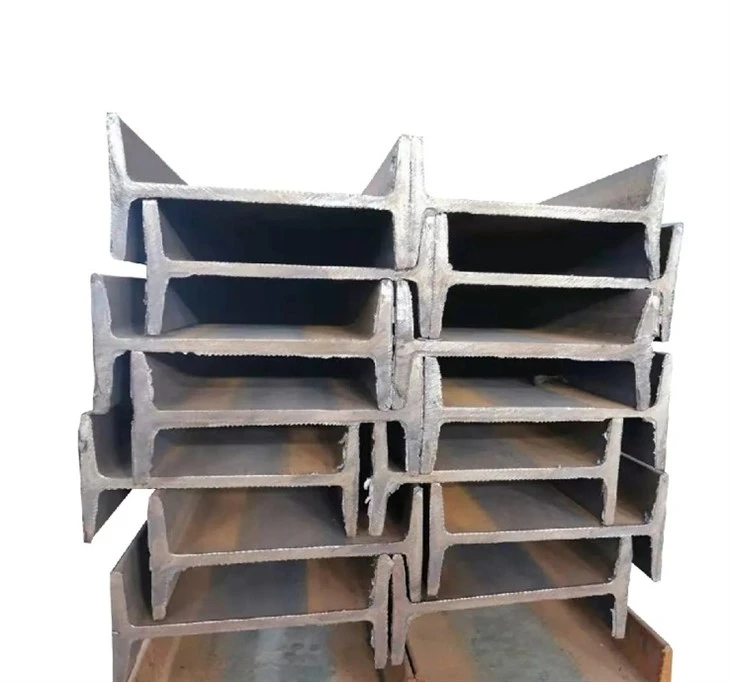
Now, apart from Ipe S235, we also offer other types of steel products. For example, we have Carbon Steel H Beam. Carbon steel H beams are known for their high strength and durability. They're widely used in large - scale construction projects, like high - rise buildings and industrial warehouses.
We also have Galvanized Steel H Beam. Galvanized steel has a zinc coating that provides excellent corrosion resistance. This makes it a great choice for outdoor applications or environments where the steel might be exposed to moisture or chemicals.
Whether you're working on a small DIY project or a large - scale construction job, we've got the steel products you need. Our Ipe S235 and other steel beams are of high quality and are sourced from reliable manufacturers.
If you're interested in purchasing Ipe S235 or any of our other steel products, don't hesitate to reach out. We're here to answer all your questions and help you find the right materials for your project. We can provide you with detailed product information, pricing, and delivery options. So, start a conversation with us and let's work together to make your project a success.
References
- European Standard for Hot - Rolled Structural Steel Sections
- Technical Manuals on Steel Cold - Forming Processes