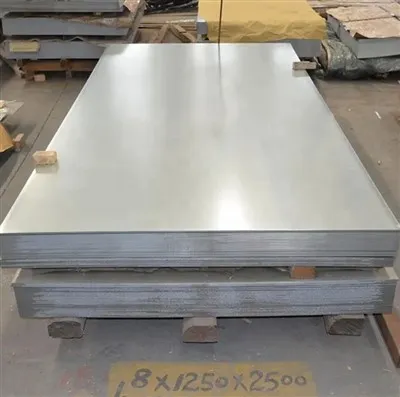
What is the fatigue resistance of steel plates? Well, as a steel plate supplier, I've dealt with this question quite a bit. Fatigue resistance is super important when it comes to steel plates, and I'm gonna break it down for you.
First off, let's talk about what fatigue resistance actually means. When a steel plate is in use, it often faces repeated loading and unloading. This cyclic stress can cause tiny cracks to form in the material over time. Fatigue resistance is the ability of the steel plate to withstand these cyclic stresses without failing. If a steel plate has high fatigue resistance, it can last longer under these repeated loads, which is a huge advantage in many applications.
There are several factors that affect the fatigue resistance of steel plates. One of the main ones is the material's composition. Different alloys and elements in the steel can have a big impact on how well it can handle cyclic stress. For example, some alloying elements can improve the steel's toughness and strength, which in turn boosts its fatigue resistance.
The manufacturing process also plays a crucial role. How the steel plate is rolled, heat - treated, and finished can all influence its fatigue properties. Proper heat treatment can refine the grain structure of the steel, making it more resistant to crack initiation and propagation. And a smooth surface finish can reduce stress concentrations, which are often the starting points for fatigue cracks.
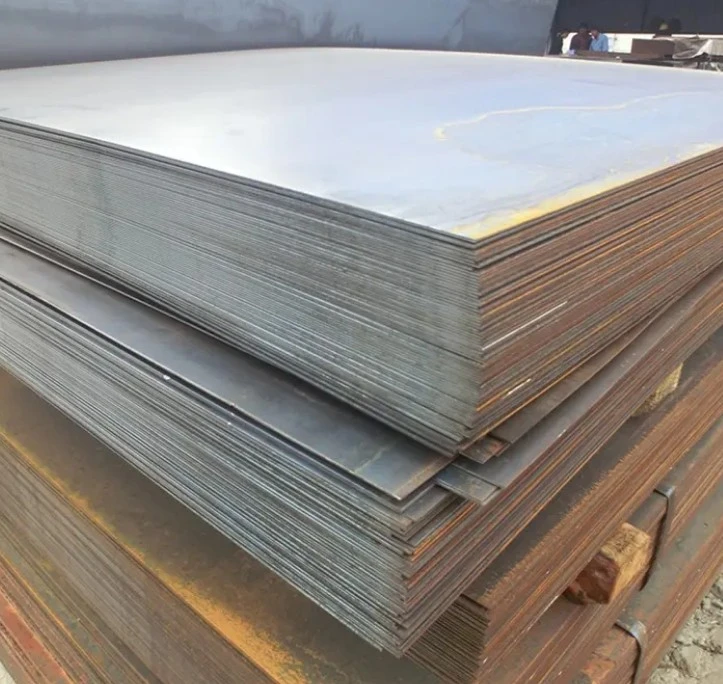
Let's take a look at some of the steel plates we offer. The Astm A572 Gr 50 Plate is a popular choice. It's known for its high strength and good fatigue resistance. This type of steel plate is often used in construction and structural applications where it needs to endure repeated loads, like bridges and high - rise buildings. The alloy composition of Astm A572 Gr 50 is carefully designed to provide a balance of strength and ductility, which helps it resist fatigue.
Another option is the Mild Steel Ss400. Mild steel like Ss400 is more affordable and has decent fatigue resistance for less demanding applications. It's commonly used in general manufacturing, such as making machinery parts and automotive components. While it may not have the same high - end fatigue performance as some of the more specialized steels, it still gets the job done in many cases.
The Ss400 Plate is also a great choice. It has a relatively simple composition but offers good formability along with reasonable fatigue resistance. This makes it suitable for a wide range of applications, from small - scale fabrication to large - scale industrial projects.
When it comes to testing the fatigue resistance of steel plates, there are several methods. One common way is the rotating - beam fatigue test. In this test, a specimen of the steel plate is rotated while a constant bending load is applied. The number of cycles it can withstand before failure is recorded. Another method is the axial fatigue test, where the specimen is subjected to cyclic tensile or compressive loads. These tests help us understand how the steel plate will perform under real - world cyclic stress conditions.
In practical applications, understanding the fatigue resistance of steel plates can save a lot of time and money. For example, in the aerospace industry, where components are subjected to extreme cyclic stresses during flight, using steel plates with high fatigue resistance can prevent catastrophic failures. In the oil and gas industry, pipelines and offshore platforms need to withstand years of cyclic loading from waves, tides, and internal pressure. Here, choosing the right steel plate with appropriate fatigue properties is crucial for long - term reliability.
We also need to consider the environment in which the steel plate will be used. Corrosion can significantly reduce the fatigue resistance of steel. When steel is exposed to a corrosive environment, the surface starts to degrade, creating pits and rough areas. These areas act as stress concentrations, making it easier for fatigue cracks to start. So, in environments where corrosion is a concern, we may recommend using corrosion - resistant coatings or stainless steel plates.
As a steel plate supplier, I always recommend that customers consider their specific application requirements when choosing a steel plate. If the application involves high - cycle fatigue, like in a vibrating machine, then a steel plate with excellent fatigue resistance is a must. On the other hand, if the loads are relatively low and the cycles are few, a more cost - effective option like mild steel might be sufficient.
If you're in the market for steel plates and want to know more about fatigue resistance or which type of steel plate is right for your project, don't hesitate to reach out. We have a team of experts who can help you make the best choice based on your specific needs. Whether it's for a small DIY project or a large - scale industrial venture, we've got the steel plates and the knowledge to support you.

References:
- "Metallurgy and Mechanics of Welding" by John F. Lancaster
- "Materials Science and Engineering: An Introduction" by William D. Callister Jr. and David G. Rethwisch
- Industry standards and research papers on steel fatigue performance.