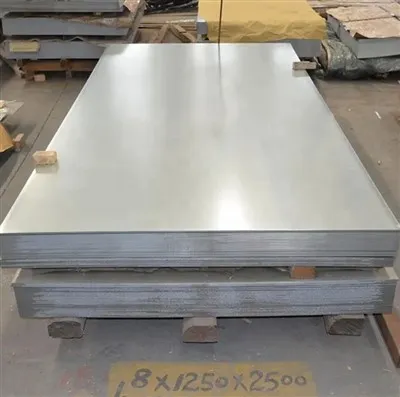
Hey there! As a carbon steel coil supplier, I often get asked about the formability of carbon steel coil. So, I thought I'd write a blog post to share some insights on this topic.


First off, let's talk about what formability means. In simple terms, formability refers to how easily a material can be shaped or formed into a desired shape without cracking or breaking. For carbon steel coils, formability is a crucial factor, especially in industries like automotive, construction, and manufacturing, where the steel needs to be bent, stamped, or drawn into various shapes.
There are several factors that affect the formability of carbon steel coils. One of the most important factors is the carbon content. Carbon is a key element in steel, and its content can significantly impact the material's properties. Generally, lower carbon steels have better formability compared to higher carbon steels. This is because lower carbon steels are more ductile, which means they can be stretched and deformed more easily without losing their integrity.
Another factor that affects formability is the grain size of the steel. A finer grain size usually results in better formability. This is because fine-grained steels have more grain boundaries, which can help to distribute stress more evenly during the forming process, reducing the risk of cracking.
The rolling process also plays a role in the formability of carbon steel coils. Hot-rolled steel coils, for example, are typically more formable than cold-rolled steel coils. This is because the hot-rolling process allows the steel to recrystallize, resulting in a more uniform grain structure and better ductility. However, cold-rolled steel coils often have a smoother surface finish and tighter dimensional tolerances, which can be advantageous in some applications.
Now, let's take a closer look at some of the common forming processes and how carbon steel coils perform in each of them.
Bending
Bending is one of the most common forming processes for carbon steel coils. When bending carbon steel, it's important to consider the bend radius. A smaller bend radius requires more deformation, which can increase the risk of cracking. To ensure good formability during bending, it's recommended to use lower carbon steels and to keep the bend radius within a reasonable range.
Stamping
Stamping involves using a die to cut and shape the steel into a specific form. Carbon steel coils with good formability are essential for successful stamping operations. The formability of the steel affects the ability to create complex shapes without tearing or wrinkling. For stamping applications, it's often beneficial to use steels with a high elongation and a low yield strength.
Drawing
Drawing is a process where the steel is pulled through a die to reduce its diameter or thickness. This process requires a high degree of formability, as the steel needs to be stretched significantly without breaking. Carbon steel coils with good drawability are typically used in applications such as the production of cans and tubes.
At our company, we offer a wide range of carbon steel coils with different carbon contents, grain sizes, and rolling processes to meet the diverse formability requirements of our customers. Whether you need Cr Sheet Coil, Cr Coil Sheet, or Hot Rolled Steel Sheet In Coil, we've got you covered.
If you're in the market for carbon steel coils and have specific formability requirements, don't hesitate to reach out to us. Our team of experts can help you select the right type of carbon steel coil for your application and ensure that you get the best results. We're committed to providing high-quality products and excellent customer service, and we're always happy to have a chat about your needs.
In conclusion, the formability of carbon steel coils is influenced by a variety of factors, including carbon content, grain size, and the rolling process. By understanding these factors and choosing the right type of carbon steel coil for your specific forming process, you can achieve optimal results and avoid costly production issues.
References
- ASM Handbook, Volume 1: Properties and Selection: Irons, Steels, and High-Performance Alloys
- Steel Design Guide Series 1: Formed Steel Design
- Metals Handbook Desk Edition, Third Edition