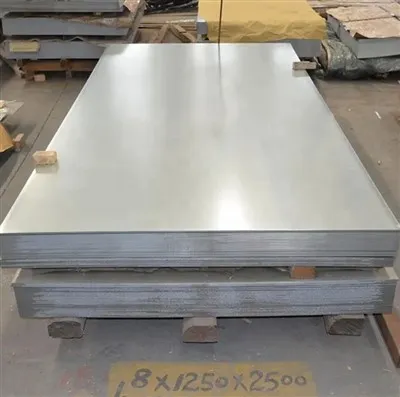
Hey there! As a copper sheet supplier, I've got a deep - seated passion for all things copper. Today, I'm super stoked to chat about the mechanical properties of copper sheets. These properties play a huge role in determining where and how copper sheets can be used.
Strength and Hardness
Let's start with strength. Copper sheets have a decent amount of tensile strength. Tensile strength is basically the maximum amount of pulling force a material can handle before it breaks. For pure copper sheets, the tensile strength usually ranges from about 200 to 250 megapascals (MPa). But here's the cool part: we can increase this strength through a process called cold - working. Cold - working involves deforming the copper sheet at room temperature, like rolling or bending it. When we do this, the internal structure of the copper gets all jumbled up, and the atoms get rearranged in a way that makes it harder for them to slide past each other. As a result, the tensile strength can go up to around 350 - 400 MPa.
Hardness is another important mechanical property. The hardness of a copper sheet is measured on the Brinell or Rockwell scale. Pure copper is relatively soft, which means it can be easily shaped. But again, cold - working can increase its hardness. A cold - worked copper sheet will have a higher hardness value, making it more resistant to scratches and wear. This is especially useful in applications where the copper sheet might come into contact with rough surfaces or where it needs to maintain its shape under pressure.
Ductility and Malleability
One of the most well - known properties of copper sheets is their incredible ductility and malleability. Ductility refers to a material's ability to be stretched into a wire without breaking. Copper is extremely ductile. You can take a copper sheet and draw it out into a thin wire, and it won't crack or snap. This property makes copper ideal for electrical wiring. Electrical wires need to be able to bend and flex without breaking, and copper's ductility allows for just that.
Malleability, on the other hand, is the ability of a material to be hammered or rolled into thin sheets. Copper is also highly malleable. You can take a thick piece of copper and, with the right tools and techniques, flatten it out into a very thin sheet. This malleability is why copper has been used for centuries in art and architecture. Artists can shape copper sheets into intricate designs, and architects can use them for roofing and decorative elements.
Elasticity
Copper sheets also have good elasticity. Elasticity is the ability of a material to return to its original shape after being deformed. When you apply a small amount of force to a copper sheet, it will bend, but once you remove the force, it will bounce back to its original form. This property is useful in applications where the copper sheet might experience temporary stress or deformation, such as in springs or connectors.
Fatigue Resistance
Fatigue resistance is an important property, especially in applications where the copper sheet will be subjected to repeated loading and unloading. Fatigue occurs when a material fails after being exposed to cyclic stress, even if the stress is below its ultimate tensile strength. Copper sheets have relatively good fatigue resistance. They can withstand a large number of stress cycles without breaking. This makes them suitable for use in machinery parts that experience repeated motion, like in automotive engines or industrial equipment.
Corrosion Resistance
Although not strictly a mechanical property, corrosion resistance is closely related to the performance of copper sheets. Copper forms a protective oxide layer on its surface when exposed to air. This oxide layer acts as a barrier, preventing further corrosion. This makes copper sheets durable in a variety of environments. Whether it's in a marine environment, where they're exposed to saltwater, or in an industrial setting with pollutants in the air, copper sheets can hold up well.
Applications Based on Mechanical Properties
Thanks to these mechanical properties, copper sheets have a wide range of applications. In the electrical industry, their high conductivity, combined with good ductility and elasticity, make them perfect for making electrical connectors, bus bars, and printed circuit boards. In architecture, the malleability and corrosion resistance of copper sheets make them a popular choice for roofing, gutters, and decorative facades.
In the automotive industry, copper sheets are used in radiators because of their good heat transfer properties and fatigue resistance. They can withstand the constant heating and cooling cycles that occur in a radiator. And in the manufacturing of coins and medals, the hardness and malleability of copper sheets allow for detailed designs to be stamped onto them.
Our Copper Sheet Offerings
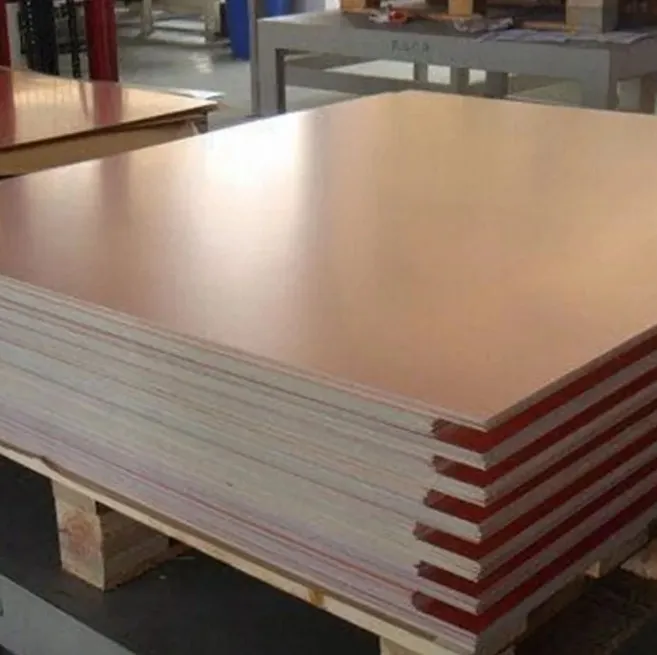
At our company, we offer a variety of copper sheets to meet different needs. If you're looking for a Thick Copper Plate, we've got you covered. These thick plates are great for applications that require high strength and durability, like in heavy - duty machinery. Our Copper Metal Plate is a versatile option that can be used in a wide range of industries, from electrical to construction. And for those who need the purest form of copper, our Pure Copper Plate is the way to go. It offers the highest conductivity and the classic properties of pure copper.
Get in Touch
If you're interested in purchasing copper sheets, we'd love to hear from you. Whether you have a specific project in mind or just need some advice on which type of copper sheet is right for you, don't hesitate to reach out. Our team of experts is always ready to help you find the perfect solution for your needs. We can provide samples, offer competitive pricing, and ensure timely delivery. So, why wait? Contact us today and let's start working on your copper sheet requirements together.

References
- ASM Handbook, Volume 2: Properties and Selection: Nonferrous Alloys and Special - Purpose Materials.
- "The Physics and Chemistry of Metals" by George S. Ansell.
- "Copper: Its Metallurgy, Properties, and Applications" by R. W. K. Honeycombe.