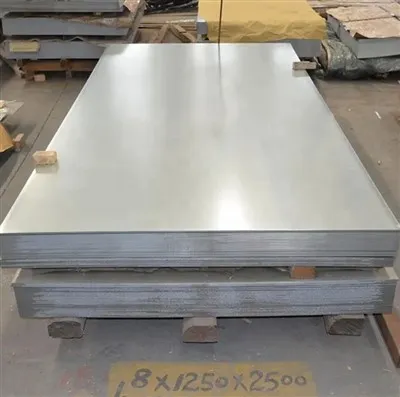
As an Ipe S235 supplier, I've been getting a lot of questions lately about the environmental impact of this popular steel product. So, I thought I'd take a moment to share what I know and clear up some of the confusion.
First off, let's talk about what Ipe S235 is. Ipe S235 is a type of hot-rolled structural steel beam, commonly used in construction projects. It's known for its high strength and durability, making it a go-to choice for building everything from bridges to industrial buildings. You can learn more about it on this page: Ipe S235.
Now, let's get into the environmental side of things. When it comes to the environmental impact of Ipe S235, there are a few key factors to consider, including production, use, and end-of-life.
Production
The production of Ipe S235 involves several energy-intensive processes. First, iron ore is mined from the earth, which requires significant amounts of energy for extraction and transportation. Then, the iron ore is processed in a blast furnace, where it's combined with coke (a form of coal) and limestone to produce pig iron. This process is extremely energy-intensive and releases a large amount of carbon dioxide into the atmosphere.
After that, the pig iron is further refined in a basic oxygen furnace or an electric arc furnace to produce steel. These processes also require a lot of energy, but they're generally more efficient than the blast furnace process. Once the steel is produced, it's hot-rolled into the desired shape, which again requires energy.
However, it's important to note that the steel industry has made significant progress in reducing its environmental impact over the past few decades. Many steel mills have implemented energy-efficient technologies and processes, such as using recycled steel scrap as a raw material, which reduces the need for virgin iron ore. Additionally, some steel producers are investing in renewable energy sources to power their operations, which helps to reduce greenhouse gas emissions.
Use
During its use phase, Ipe S235 has a relatively low environmental impact compared to some other building materials. Steel is a very strong and durable material, which means that structures made with Ipe S235 can have a long lifespan. This reduces the need for frequent replacement and repairs, which in turn reduces the amount of energy and resources required over the life of the structure.
In addition, steel is a very versatile material that can be easily recycled. At the end of its useful life, Ipe S235 can be melted down and reused to make new steel products. This recycling process requires significantly less energy than producing new steel from virgin materials, which helps to conserve natural resources and reduce greenhouse gas emissions.
End-of-Life
As mentioned earlier, one of the biggest advantages of Ipe S235 is its recyclability. When a structure made with Ipe S235 reaches the end of its useful life, the steel can be easily separated from other materials and recycled. In fact, steel is one of the most recycled materials in the world, with a recycling rate of over 90% in many countries.
Recycling steel not only conserves natural resources but also reduces the environmental impact of steel production. According to the World Steel Association, recycling steel saves approximately 75% of the energy required to produce new steel from virgin materials. This means that recycling Ipe S235 can significantly reduce greenhouse gas emissions and other environmental impacts associated with steel production.
Comparing with Other Options
It's also worth comparing Ipe S235 with some other types of steel beams on the market. For example, Galvanized H Beam is another popular choice for construction projects. Galvanized H beams are coated with a layer of zinc to protect them from corrosion, which can extend their lifespan. However, the galvanizing process itself can have some environmental impacts, as it involves the use of chemicals and energy.
Another option is A572 A992 Steel H Beam. These beams are made from high-strength steel, which means that they can be used in structures where less material is required. This can potentially reduce the environmental impact of the structure by using less steel overall. However, the production of high-strength steel may require more energy and resources compared to standard steel like Ipe S235.
Conclusion
So, what's the bottom line? While the production of Ipe S235 does have some environmental impacts, especially in terms of energy consumption and greenhouse gas emissions, it also has several environmental benefits. Its durability and recyclability mean that it can have a relatively low environmental impact over its entire life cycle.
As a supplier, I'm committed to providing high-quality Ipe S235 products while also minimizing their environmental impact. I work with steel mills that are dedicated to sustainable production practices and are constantly looking for ways to reduce their energy consumption and emissions.


If you're in the market for Ipe S235 or have any questions about its environmental impact, I'd love to hear from you. Whether you're a contractor, architect, or developer, I can help you find the right steel products for your project. Feel free to reach out to me for more information and to discuss your specific needs. Let's work together to build a more sustainable future!
References
- World Steel Association. (n.d.). Steel Recycling. Retrieved from [No link provided as per instruction]
- Various industry reports on steel production and environmental impact.