Hey there! As a supplier of carbon steel coils, I often get asked about the difference between carbon steel coils and stainless steel coils. It's a common question, and it's important to understand these differences, especially if you're in the market for steel products. So, let's dive right in and break it down.
Composition
First off, let's talk about what these coils are made of. Carbon steel coils, well, as the name suggests, are mainly composed of iron and carbon. The carbon content can vary, but generally, it ranges from about 0.05% to 2.0%. This carbon gives the steel its strength and hardness. Other elements like manganese, silicon, and small amounts of sulfur and phosphorus might also be present, but carbon is the key player here.
On the other hand, stainless steel coils have a more complex composition. They are also based on iron, but they contain a significant amount of chromium – usually at least 10.5%. Chromium is what gives stainless steel its corrosion - resistant properties. In addition to chromium, stainless steel may also have nickel, molybdenum, and other elements, which can enhance its performance in different environments.

Appearance
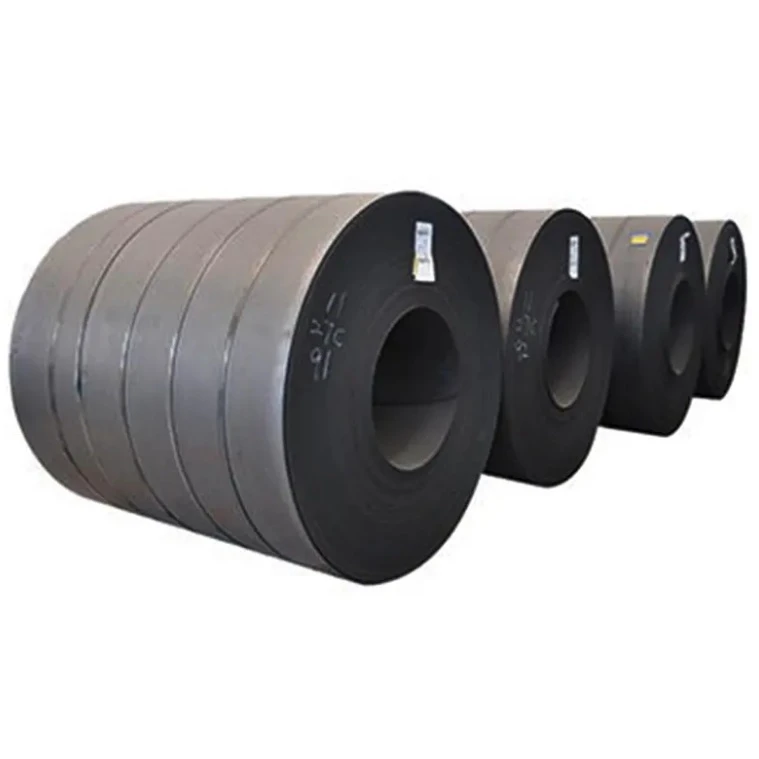
You can often tell carbon steel and stainless steel coils apart just by looking at them. Carbon steel coils typically have a dull, grayish - black appearance. This is because carbon steel is prone to rusting when exposed to air and moisture. If you see a steel coil with a bit of a rusty tint or a rough surface, it's likely carbon steel.
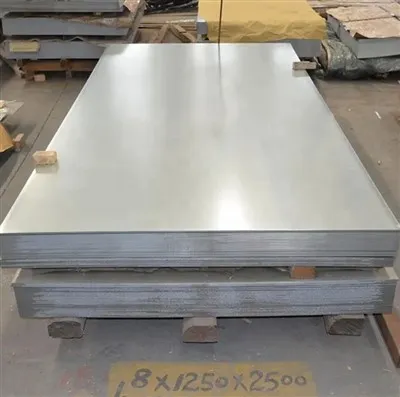
Stainless steel coils, however, have a shiny, metallic finish. They look sleek and modern, and they can maintain their appearance for a long time without rusting. This makes stainless steel a popular choice for applications where aesthetics matter, like in architecture or kitchen appliances.
Corrosion Resistance
Corrosion resistance is a huge difference between these two types of steel coils. Carbon steel, as I mentioned earlier, is quite susceptible to rust. When carbon steel comes into contact with oxygen and water, a chemical reaction occurs, and iron oxide (rust) forms on the surface. This can weaken the steel over time and reduce its lifespan.
Stainless steel, on the other hand, is highly resistant to corrosion. The chromium in stainless steel forms a thin, invisible layer of chromium oxide on the surface. This layer acts as a barrier, preventing oxygen and water from reaching the underlying steel and stopping the rusting process. That's why stainless steel is often used in environments where it will be exposed to moisture, chemicals, or harsh weather conditions, like in marine applications or chemical processing plants.
Strength and Hardness
Both carbon steel and stainless steel are strong materials, but they have different strength characteristics. Carbon steel is generally stronger and harder than stainless steel. The high carbon content in carbon steel gives it excellent tensile strength, which means it can withstand a lot of pulling force without breaking. This makes carbon steel coils a great choice for structural applications, like in building construction or automotive manufacturing.
Stainless steel, while still strong, is not as hard as carbon steel. However, it has good ductility, which means it can be easily formed into different shapes without cracking. This makes stainless steel suitable for applications where complex shapes are required, like in the production of pipes or kitchen utensils.
Cost
Cost is another important factor to consider. Carbon steel coils are usually more affordable than stainless steel coils. The raw materials for carbon steel are more abundant and less expensive, and the manufacturing process is also relatively simple. This makes carbon steel a cost - effective option for large - scale projects where budget is a major concern.
Stainless steel, on the other hand, is more expensive. The additional elements like chromium and nickel are costly, and the manufacturing process for stainless steel is more complex. However, the long - term benefits of corrosion resistance and durability can sometimes justify the higher upfront cost, especially in applications where replacement or maintenance would be expensive.
Applications
The differences in composition, appearance, corrosion resistance, strength, and cost lead to different applications for carbon steel and stainless steel coils.
Carbon steel coils are widely used in construction. They are used to make beams, columns, and other structural components in buildings and bridges. In the automotive industry, carbon steel is used for making car frames, engine parts, and other components that require high strength. You can also find carbon steel coils being used in the manufacturing of pipes, wires, and agricultural equipment. If you're interested in carbon steel products, you can check out our Hot Rolled Coil Hrc, Hr Cr Coils, and Cr Sheet Coil.
Stainless steel coils have a different set of applications. They are commonly used in the food and beverage industry because of their corrosion resistance and easy - to - clean surface. Kitchen appliances like refrigerators, ovens, and sinks are often made from stainless steel. In the medical field, stainless steel is used for making surgical instruments and medical equipment. It's also used in architecture for decorative purposes, like in facades and handrails.
Conclusion
So, there you have it – the main differences between carbon steel coils and stainless steel coils. Each type of steel has its own unique properties, advantages, and disadvantages. When choosing between them, you need to consider factors like the intended application, budget, and environmental conditions.
If you're in the market for carbon steel coils, I'd love to have a chat with you. Whether you're working on a large - scale construction project or a small - scale manufacturing job, we can provide you with high - quality carbon steel coils that meet your needs. Feel free to reach out and start a conversation about your procurement requirements.
References
- "The Basics of Steel" by American Iron and Steel Institute
- "Stainless Steel: A Primer" by Nickel Institute
- Various industry reports on steel manufacturing and applications