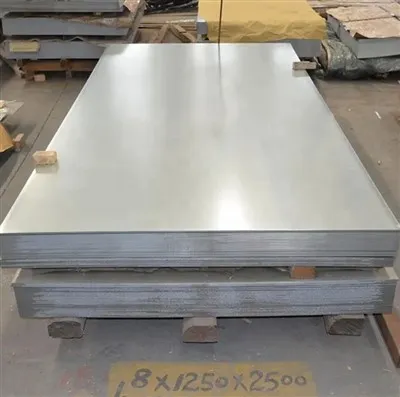
When it comes to steel plates used in the food industry, meeting stringent food - grade requirements is of utmost importance. As a trusted steel plate supplier, I understand the critical nature of these requirements and the impact they have on the quality and safety of food products. In this blog post, I will delve into the various food - grade requirements that steel plates need to meet.


1. Material Composition
The first and perhaps most fundamental aspect is the material composition of the steel plate. For food - grade applications, the steel must be made from materials that are non - toxic and do not leach harmful substances into the food.
Stainless steel is a popular choice for food - grade steel plates. It typically contains chromium, which forms a passive oxide layer on the surface of the steel. This layer protects the steel from corrosion and prevents the release of metals into the food. For example, Type 304 stainless steel, which contains 18% chromium and 8% nickel, is widely used in the food industry. It is resistant to most food acids and salts, making it suitable for contact with a variety of food products.
Another important consideration is the carbon content. Low - carbon steels are often preferred as they are less likely to react with food substances. High - carbon steels may be more prone to corrosion and can potentially contaminate the food.
2. Surface Finish
The surface finish of a steel plate plays a crucial role in food - grade applications. A smooth surface is essential to prevent the accumulation of food particles, bacteria, and other contaminants. Rough surfaces can harbor microorganisms, which can lead to food spoilage and pose a health risk.
Electropolishing is a common method used to achieve a smooth surface finish on steel plates. This process removes a thin layer of the steel surface, leaving behind a mirror - like finish. It not only improves the aesthetics of the steel plate but also enhances its resistance to corrosion.
In addition to smoothness, the surface should also be free from scratches, pits, and other defects. These imperfections can create areas where food can get trapped and bacteria can grow. Regular inspection of the surface finish is necessary to ensure that the steel plates meet the required standards.
3. Corrosion Resistance
Corrosion is a major concern in the food industry as it can lead to the contamination of food products. Steel plates used in food - grade applications must have excellent corrosion resistance.
As mentioned earlier, stainless steel has good corrosion resistance due to the formation of a passive oxide layer. However, the environment in which the steel plate is used can also affect its corrosion resistance. For example, in a high - humidity or acidic environment, the steel may be more prone to corrosion.
To enhance corrosion resistance, additional coatings or treatments may be applied to the steel plate. Galvanization is a process where a layer of zinc is applied to the steel surface. Zinc acts as a sacrificial anode, protecting the steel from corrosion. However, when using galvanized steel in food - grade applications, it is important to ensure that the zinc coating is safe for contact with food.
4. Hygiene and Cleanability
Maintaining high levels of hygiene is essential in the food industry. Steel plates must be easy to clean to prevent the growth of bacteria and other microorganisms.
The design of the steel plate should allow for easy access to all surfaces during the cleaning process. Sharp corners and crevices should be avoided as they can be difficult to clean. Additionally, the steel should be able to withstand the use of common cleaning agents without being damaged.
Regular cleaning and sanitization procedures should be established to ensure that the steel plates remain hygienic. This may involve the use of hot water, detergents, and disinfectants.
5. Regulatory Compliance
Steel plates used in the food industry must comply with various regulations and standards. In the United States, the Food and Drug Administration (FDA) has established guidelines for materials that come into contact with food. These guidelines specify the allowable levels of certain substances in the steel and the requirements for surface finishes and cleanability.
In Europe, the European Food Safety Authority (EFSA) also has similar regulations. Steel plate suppliers need to ensure that their products meet these regulatory requirements to be able to sell them in these markets.
Applications of Food - Grade Steel Plates
Food - grade steel plates have a wide range of applications in the food industry. They are used in the construction of food processing equipment such as conveyor belts, storage tanks, and mixing vessels. For example, Ss400 Plate can be used in the manufacturing of some food processing machinery due to its good strength and formability.
In the food service industry, steel plates are used for countertops, display cases, and food trays. Corten Sheet Metal can be used in outdoor food service settings where its weather - resistant properties are an advantage.
In the packaging industry, steel plates are used to produce cans and other food containers. S275Jr Carbon Steel may be used in the production of certain types of food packaging due to its strength and durability.
Conclusion
Meeting food - grade requirements is essential for steel plates used in the food industry. From material composition to surface finish, corrosion resistance, hygiene, and regulatory compliance, every aspect must be carefully considered. As a steel plate supplier, I am committed to providing high - quality steel plates that meet these requirements.
If you are in the market for food - grade steel plates, I encourage you to contact me for more information. We can discuss your specific needs and find the best solution for your application. Whether you are a food processor, a food service provider, or a packaging manufacturer, we have the expertise and the products to meet your requirements. Let's work together to ensure the safety and quality of your food products.
References
- "Food Contact Materials: A Guide to EU Regulations" by European Commission.
- "Stainless Steel in the Food Industry" by The Nickel Institute.
- "Corrosion Prevention in the Food Industry" by NACE International.