What equipment is needed to bend a right angle bar? Well, as a supplier of Right Angle Bar, I've got some hands - on knowledge to share with you.
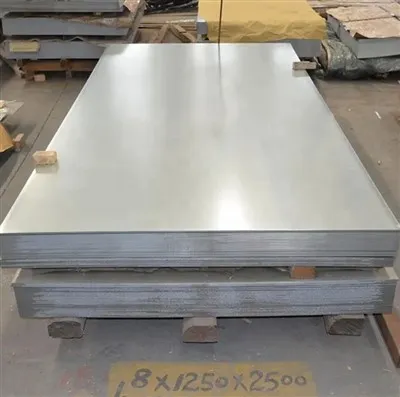
First off, let's understand what a right - angle bar is. It's a common construction and manufacturing component, often made of steel. There are different types, like Galvanized Steel Angle Bar and Galvanised Angle Bar, which are coated to prevent rust and corrosion.
1. Press Brake
One of the most essential pieces of equipment for bending a right - angle bar is a press brake. This machine is a workhorse in metal fabrication. It uses a punch and die set to apply force to the bar, gradually bending it to the desired angle.
The press brake comes in various sizes and capacities. For smaller right - angle bars, a bench - top press brake might be sufficient. It's compact, easy to operate, and can handle light - duty bending tasks. On the other hand, if you're dealing with large - scale production or thick and heavy right - angle bars, you'll need an industrial - grade press brake. These are powerful machines that can generate high forces to bend even the toughest materials.
When using a press brake, it's important to select the right punch and die combination. The punch is the upper tool that presses down on the bar, while the die is the lower tool that provides the shape for the bend. Different punch and die profiles can create different bend radii and angles. For a perfect right - angle bend, you'll need a die with a 90 - degree V - shape and a punch that can fit snugly into it.
2. Roll Bender
A roll bender can also be used to bend right - angle bars, especially if you need to create curved or circular bends in addition to the right - angle. This machine works by passing the bar through a set of rolls. The rolls apply pressure to the bar, gradually bending it as it moves through the machine.
There are three - roll and four - roll benders. Three - roll benders are more common and are suitable for general bending tasks. They have two bottom rolls and one top roll. The bottom rolls support the bar, while the top roll applies the bending force. Four - roll benders, on the other hand, offer more precise control over the bending process. They have an additional roll that can be adjusted to control the position and shape of the bend.
Roll benders are great for creating smooth, continuous bends in right - angle bars. However, they may not be the best choice for creating sharp right - angles. If you need a very precise 90 - degree bend, you might still need to use a press brake in combination with a roll bender.
3. Pipe Bender
In some cases, a pipe bender can be adapted to bend right - angle bars. Pipe benders are designed to bend pipes, but they can also work with angle bars if the right attachments are used.
There are different types of pipe benders, such as manual pipe benders, electric pipe benders, and hydraulic pipe benders. Manual pipe benders are inexpensive and easy to use, but they require a lot of physical effort. Electric pipe benders are more convenient and can handle medium - sized bars. Hydraulic pipe benders are the most powerful and can bend thick and large - diameter bars with ease.
When using a pipe bender to bend a right - angle bar, you'll need to make sure that the bar fits properly into the bending die. You may also need to use some additional supports or guides to ensure that the bar bends at the correct angle.
4. Heat Source
For some types of right - angle bars, especially those made of high - strength steel or other difficult - to - bend materials, using a heat source can make the bending process much easier. Heating the bar softens the metal, reducing its resistance to bending.


A propane torch is a common and affordable heat source. It can be used to heat a small section of the bar to a specific temperature. Once the bar is heated, it can be bent using a press brake, roll bender, or other bending equipment.
Induction heating is another option for larger - scale operations. It uses an electromagnetic field to heat the bar quickly and evenly. Induction heating is more precise and efficient than a propane torch, but it requires more expensive equipment.
5. Measuring Tools
Accuracy is crucial when bending a right - angle bar. That's why you'll need a set of measuring tools to ensure that the bend is at the correct angle and dimensions.
A protractor is a basic but essential tool for measuring angles. You can use it to check the angle of the bend as you're working. A ruler or tape measure is also necessary to measure the length and width of the bar before and after bending.
For more precise measurements, you can use a digital angle gauge. This tool can provide accurate angle readings to within a few degrees. A coordinate measuring machine (CMM) is even more accurate and can measure the shape and dimensions of the bent bar in three - dimensional space.
6. Safety Equipment
Last but not least, safety should always be a top priority when working with bending equipment. You'll need to wear appropriate safety gear to protect yourself from potential hazards.
Safety glasses are essential to protect your eyes from flying metal chips and debris. Gloves can protect your hands from cuts, burns, and other injuries. A welding helmet or face shield may be necessary if you're using a heat source.
In addition to personal safety equipment, you should also make sure that your bending equipment is properly maintained and guarded. Follow all safety guidelines and procedures to prevent accidents and injuries.
If you're in the market for right - angle bars or need advice on the equipment needed for bending them, don't hesitate to get in touch. We're here to help you with all your right - angle bar needs, whether it's selecting the right type of bar or the most suitable bending equipment. Let's start a conversation and see how we can work together to meet your requirements.
References
- "Metal Fabrication Handbook" by John Doe
- "Guide to Bending and Forming Metals" by Jane Smith
- Industry standards and best practices from the metalworking industry.