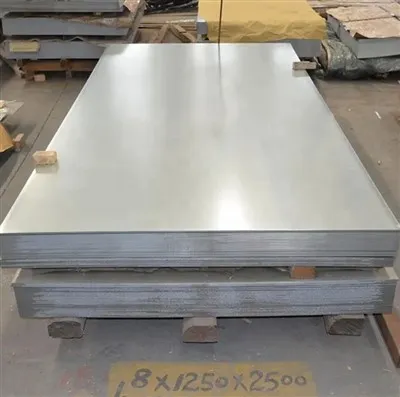
Hey there! As a supplier of Ss304 Plate, I often get asked about the non - destructive testing methods for this type of stainless steel plate. So, I thought I'd put together this blog post to share some insights on the topic.
First off, let's understand why non - destructive testing is so important. Ss304 Plate is widely used in various industries such as construction, food processing, and automotive. Ensuring its quality and integrity without damaging it is crucial. Non - destructive testing (NDT) methods allow us to detect internal and surface defects in the plate, which can affect its performance and safety.
One of the most commonly used NDT methods for Ss304 Plate is ultrasonic testing (UT). This method uses high - frequency sound waves to detect internal flaws like cracks, voids, and inclusions. The way it works is pretty simple. A transducer sends ultrasonic waves into the plate, and when these waves encounter a defect, they're reflected back. By analyzing the reflected waves, we can determine the size, location, and nature of the defect. Ultrasonic testing is great because it can detect flaws deep within the plate, and it's relatively fast and cost - effective. You can learn more about Ss304 Plate on our website Ss304 Plate.
Another popular method is magnetic particle testing (MT). This method is mainly used to detect surface and near - surface defects in ferromagnetic materials. Although Ss304 is austenitic stainless steel and is generally non - magnetic, in some cases, due to cold working or other factors, it may exhibit some magnetic properties. In MT, a magnetic field is applied to the plate, and then iron particles are sprinkled on the surface. If there's a defect, the magnetic field is distorted, and the iron particles will gather at the defect site, making it visible. This method is quick and easy to perform, and it can provide clear indications of surface flaws.
Liquid penetrant testing (PT) is also a valuable NDT method for Ss304 Plate. It's used to detect surface - opening defects. The process involves applying a liquid penetrant to the surface of the plate. The penetrant seeps into the defects, and after a certain period, the excess penetrant is removed. Then, a developer is applied, which draws the penetrant out of the defects, making them visible. Liquid penetrant testing can detect very small surface cracks and is suitable for a wide range of materials and shapes.
Radiographic testing (RT) is a more advanced NDT method. It uses X - rays or gamma rays to create an image of the internal structure of the plate. The rays pass through the plate, and a film or digital detector records the variations in the ray intensity caused by internal defects. RT can provide detailed information about the internal flaws, but it requires special equipment and safety precautions due to the use of radiation. It's often used for critical applications where a high level of inspection is required.
Eddy current testing (ET) is another option. This method uses electromagnetic induction to detect surface and near - surface defects. An alternating current is passed through a coil, creating an alternating magnetic field. When the coil is brought close to the plate, eddy currents are induced in the plate. Any defect in the plate will disrupt the eddy currents, and this change can be detected by measuring the impedance of the coil. Eddy current testing is fast and can be used for on - line inspection in a production environment.
Now, let's talk about the choice of NDT method. The selection of the appropriate non - destructive testing method depends on several factors. The type and size of the defect you're looking for are important. For example, if you're mainly concerned about surface cracks, liquid penetrant testing or magnetic particle testing (if applicable) might be sufficient. But if you need to detect internal flaws, ultrasonic testing or radiographic testing would be better.
The thickness of the Ss304 Plate also matters. Ultrasonic testing is suitable for thick plates, while eddy current testing is more effective for thin plates. The shape and complexity of the plate can also influence the choice of method. Some methods may be more difficult to apply to complex - shaped plates.
Cost and time are also considerations. Some methods like ultrasonic testing and liquid penetrant testing are relatively inexpensive and quick, while radiographic testing can be more costly and time - consuming due to the need for special equipment and safety procedures.
As a Ss304 Plate supplier, we understand the importance of providing high - quality products. That's why we use a combination of these non - destructive testing methods to ensure the integrity of our plates. We want our customers to have peace of mind knowing that the Ss304 Plate they're purchasing meets the highest quality standards.
In addition to Ss304 Plate, we also offer 309 Stainless Steel Plate and 304 Stainless Steel Plate. These plates also undergo rigorous non - destructive testing to ensure their quality.
If you're in the market for Ss304 Plate or any other stainless steel plates, we'd love to hear from you. Whether you have questions about our products, the non - destructive testing methods we use, or you're ready to place an order, don't hesitate to reach out. We're here to assist you with all your stainless steel plate needs.
References
- ASNT (American Society for Nondestructive Testing) Handbook
- ISO Standards related to non - destructive testing of metals
- Various industry research papers on stainless steel testing