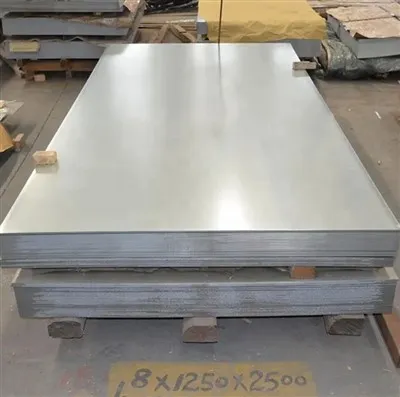
As a seasoned supplier of Ss304 Plate, I've witnessed firsthand the intricate process that goes into creating this versatile and widely used material. Ss304 Plate, known for its corrosion resistance, durability, and aesthetic appeal, is a staple in various industries, from construction to manufacturing. In this blog post, I'll walk you through the key steps in the production of Ss304 Plate, shedding light on the craftsmanship and precision that goes into every sheet.
Step 1: Raw Material Selection
The production of Ss304 Plate begins with the careful selection of raw materials. Stainless steel 304 is an alloy composed primarily of iron, chromium, and nickel, with small amounts of carbon, silicon, and manganese. The quality of these raw materials is crucial, as it directly impacts the final properties of the plate.
We source our raw materials from trusted suppliers who adhere to strict quality control standards. The iron ore is typically mined from high-grade deposits, while the chromium and nickel are obtained through a refining process. These materials are then carefully blended in specific proportions to achieve the desired chemical composition of Ss304.
Step 2: Melting and Casting
Once the raw materials are selected, they are melted in an electric arc furnace or a basic oxygen furnace. The high temperatures in these furnaces break down the raw materials into a molten state, allowing for the precise control of the alloy's composition.
During the melting process, various additives may be introduced to enhance the properties of the stainless steel. For example, small amounts of molybdenum can improve the corrosion resistance of Ss304 in certain environments. The molten steel is then continuously cast into slabs or billets, which are the starting point for further processing.
Step 3: Hot Rolling
The next step in the production of Ss304 Plate is hot rolling. The slabs or billets are heated to a high temperature and passed through a series of rolling mills. The rolling process reduces the thickness of the steel and improves its mechanical properties, such as strength and ductility.
Hot rolling is typically carried out in multiple passes, with the steel being gradually reduced in thickness with each pass. The temperature and speed of the rolling process are carefully controlled to ensure the desired grain structure and surface finish of the plate. After hot rolling, the plate is cooled to room temperature, which further enhances its properties.

Step 4: Cold Rolling
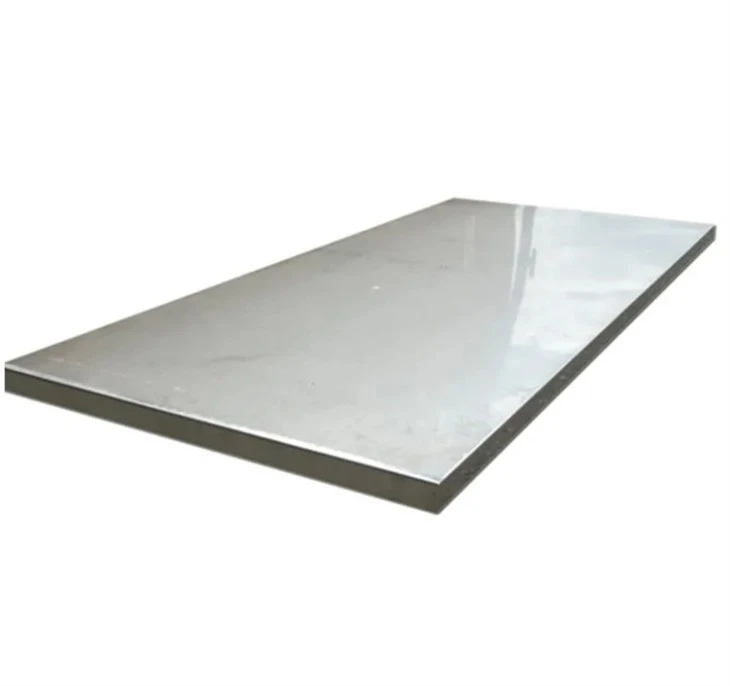
In some cases, the Ss304 Plate may undergo cold rolling after hot rolling. Cold rolling is a process in which the plate is passed through a series of rolling mills at room temperature. This process further reduces the thickness of the plate and improves its surface finish and flatness.
Cold rolling also increases the strength and hardness of the stainless steel, making it suitable for applications that require high strength and precision. After cold rolling, the plate may be annealed to relieve internal stresses and improve its ductility.
Step 5: Heat Treatment
Heat treatment is an important step in the production of Ss304 Plate, as it helps to optimize the mechanical properties of the stainless steel. There are several types of heat treatment processes that can be used, depending on the specific requirements of the application.
One common heat treatment process is solution annealing, which involves heating the plate to a high temperature and then rapidly cooling it. This process dissolves any carbides that may have formed during the manufacturing process and helps to prevent intergranular corrosion. Another heat treatment process is precipitation hardening, which involves heating the plate to a specific temperature and then holding it at that temperature for a period of time. This process allows for the formation of fine precipitates in the stainless steel, which can significantly increase its strength.
Step 6: Surface Treatment
The surface treatment of Ss304 Plate is an important step in enhancing its appearance and corrosion resistance. There are several surface treatment options available, depending on the specific requirements of the application.
One common surface treatment is pickling, which involves immersing the plate in an acid solution to remove any scale or impurities from the surface. Pickling helps to improve the corrosion resistance of the stainless steel and gives it a clean, smooth surface finish. Another surface treatment option is passivation, which involves treating the plate with a chemical solution to form a thin, protective oxide layer on the surface. Passivation helps to prevent the formation of rust and corrosion on the stainless steel.
Step 7: Quality Control
Throughout the production process, strict quality control measures are in place to ensure that the Ss304 Plate meets the highest standards of quality and performance. Quality control begins with the inspection of the raw materials and continues through every stage of the manufacturing process.
At each step, samples are taken and tested to ensure that the chemical composition, mechanical properties, and surface finish of the plate meet the specified requirements. Non-destructive testing methods, such as ultrasonic testing and magnetic particle testing, are used to detect any internal defects or flaws in the plate. Only plates that pass all of the quality control tests are approved for shipment to customers.
Step 8: Cutting and Fabrication
Once the Ss304 Plate has passed all of the quality control tests, it is ready for cutting and fabrication. Depending on the customer's requirements, the plate can be cut to size using a variety of cutting methods, such as sawing, shearing, or laser cutting.
After cutting, the plate can be further fabricated into various shapes and sizes using techniques such as bending, welding, and machining. Our experienced fabrication team can work closely with customers to ensure that the final product meets their exact specifications.
Conclusion
The production of Ss304 Plate is a complex and precise process that requires a high level of expertise and attention to detail. From the selection of raw materials to the final cutting and fabrication, every step in the process plays a crucial role in ensuring the quality and performance of the plate.
As a supplier of Ss304 Plate, we are committed to providing our customers with the highest quality products and services. We use the latest technology and manufacturing processes to ensure that our plates meet the strictest standards of quality and performance. Whether you need Ss304 Plate for a construction project, a manufacturing application, or any other use, we have the expertise and resources to meet your needs.
If you're interested in learning more about our Ss304 Plate products or would like to discuss your specific requirements, please don't hesitate to contact us. We look forward to working with you and helping you find the perfect solution for your project.
References
- ASM Handbook Volume 1: Properties and Selection: Irons, Steels, and High-Performance Alloys
- Stainless Steel: A Guide to Properties, Processing, and Applications
- The Welding Institute: Welding Stainless Steels
You may also be interested in our other stainless steel plate products, such as 303 Stainless Plate, 316 Stainless Steel Plate, and 309 Stainless Steel Plate.