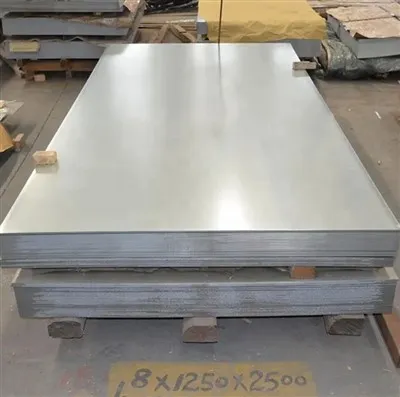
Hey there! As a steel plate supplier, I often get asked about the fire - resistance properties of steel plates. It's a crucial topic, especially when it comes to construction and industrial applications. So, let's dive right in and explore what makes steel plates stand up (or not) to the heat.
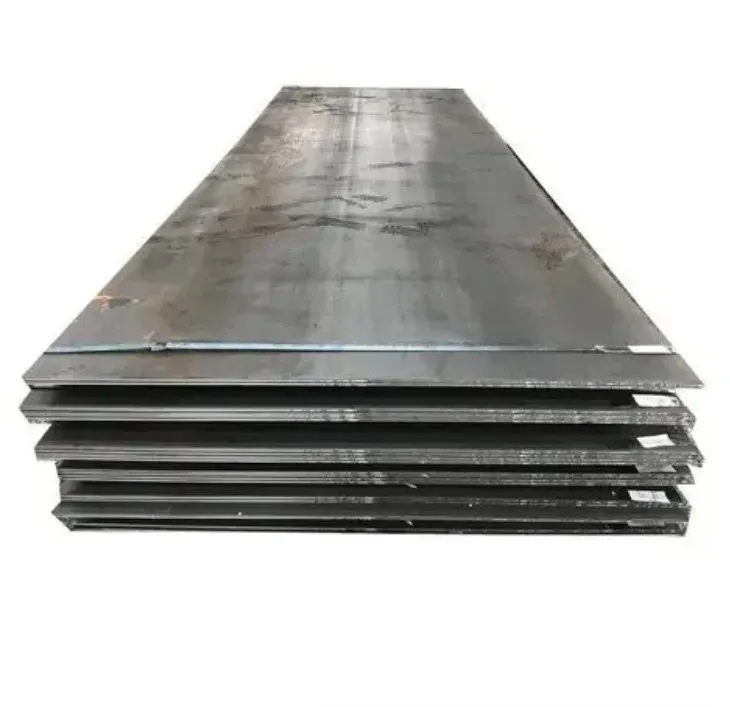

First off, steel is known for its strength and durability, but how does it hold up in a fire? Well, steel is a metal, and like all metals, it conducts heat. When exposed to high temperatures, steel starts to lose its strength. Normally, at room temperature, steel has a certain level of mechanical properties that make it suitable for various structures. But as the temperature rises, things start to change.
At around 400 - 500 degrees Celsius, steel begins to experience a significant reduction in its yield strength. Yield strength is the point at which a material starts to deform permanently. So, when steel reaches this temperature range, it can't handle as much stress as it could at room temperature. By the time it hits about 600 - 700 degrees Celsius, the strength of steel can drop to as low as 50% of its original value. That's a huge difference and can have serious implications for structures made of steel.
Now, different types of steel plates have different fire - resistance characteristics. Let's take a look at some common ones.
The Ss400 Plate is a popular choice in the market. It's a general - structural rolled steel plate. In terms of fire resistance, it follows the general trend of steel. When exposed to fire, its strength will decrease as the temperature goes up. However, compared to some other specialized fire - resistant steels, it might not hold up as well in a long - term high - temperature situation. But for many regular construction projects where the risk of a major fire is relatively low, Ss400 Plate can still be a cost - effective option.
Another well - known type is the A572 Plate. This is a high - strength, low - alloy steel. It has better mechanical properties compared to some basic steels. In a fire, it will also lose strength, but due to its alloying elements, it may maintain a relatively higher level of strength at elevated temperatures for a short period. The alloying elements in A572 can slow down the rate at which the steel loses its strength, giving a bit more time for emergency response and potentially reducing the damage to the structure.
Then there's the S275Jr Carbon Steel. This is a non - alloy structural steel. It's widely used in construction because of its good weldability and formability. In terms of fire resistance, similar to other carbon steels, it will start to weaken as the temperature rises. But proper fire - protection measures can be applied to enhance its performance in a fire situation.
So, what can be done to improve the fire - resistance of steel plates? One common method is to apply fire - resistant coatings. These coatings act as a barrier between the steel and the heat. They can slow down the rate at which the steel heats up, giving the structure more time to withstand the fire. There are different types of fire - resistant coatings available, such as intumescent coatings. These coatings expand when heated, forming a thick, insulating layer that protects the steel beneath.
Another approach is to use fire - resistant steel alloys. These are specially designed steels that have better high - temperature properties. They contain elements that help maintain the strength of the steel at elevated temperatures. However, these fire - resistant alloys can be more expensive than regular steel plates.
In construction projects, building codes and regulations often require certain levels of fire resistance for steel structures. Engineers need to take these requirements into account when designing buildings. They may specify the use of fire - resistant steel plates or the application of fire - protection measures based on the type of building, its occupancy, and the potential fire risks.
For us as a steel plate supplier, we understand the importance of providing the right products for different applications. Whether you're working on a small residential project or a large commercial building, we can offer a range of steel plates with different fire - resistance properties. If you're not sure which type of steel plate is best for your project, our team of experts can help you make an informed decision.
We know that safety is a top priority, especially when it comes to fire. That's why we source our steel plates from reliable manufacturers who adhere to strict quality standards. We also keep up - to - date with the latest research and developments in the field of steel fire resistance to ensure that we can provide the most suitable products to our customers.
If you're in the market for steel plates and are concerned about their fire - resistance properties, don't hesitate to reach out to us. We're here to answer all your questions and help you find the perfect steel plates for your project. Whether you need Ss400 Plate, A572 Plate, or S275Jr Carbon Steel, we've got you covered. Let's work together to build safe and durable structures.
References
- "Fire Resistance of Steel Structures" - A research paper from a leading engineering institute.
- Building Codes and Standards related to steel construction and fire safety.