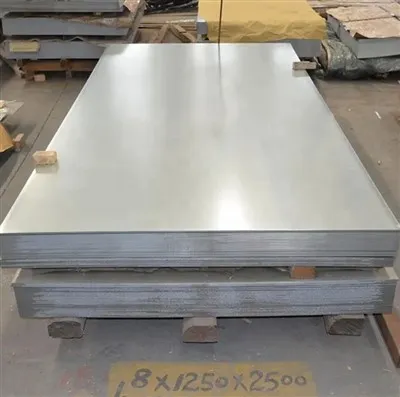
As a supplier of Ss304 Plate, I understand the critical importance of proper storage environmental conditions to maintain the quality and integrity of this product. Ss304 Plate, known for its excellent corrosion resistance, high strength, and good formability, is widely used in various industries such as construction, food processing, and automotive manufacturing. In this blog, I will delve into the key environmental conditions required for storing Ss304 Plate to ensure its long - term usability and performance.
Temperature
Temperature is a crucial factor when it comes to storing Ss304 Plate. Extreme temperatures can have adverse effects on the material.
- Cold Temperatures: In cold environments, Ss304 Plate can become more brittle. Although stainless steel generally has good toughness at low temperatures compared to some other metals, very low temperatures can still increase the risk of cracking, especially if the plate is subjected to sudden impacts or stress. It is recommended to store Ss304 Plate in an environment where the temperature does not drop below - 20°C. If the storage area is in a cold climate, proper insulation and heating systems may be necessary to maintain a stable temperature.
- High Temperatures: High temperatures can accelerate the oxidation process of Ss304 Plate. When exposed to temperatures above 400°C for an extended period, the chromium oxide layer on the surface of the plate, which provides corrosion resistance, may start to break down. This can lead to increased corrosion and a decrease in the overall quality of the plate. Therefore, the storage area should be kept at a temperature below 400°C. A stable room temperature, typically between 10°C and 30°C, is ideal for storing Ss304 Plate.
Humidity
Humidity is another significant environmental factor that can affect Ss304 Plate.


- Excessive Humidity: High humidity levels can cause moisture to condense on the surface of the plate. This moisture can act as an electrolyte, facilitating the corrosion process. If the relative humidity in the storage area exceeds 60%, there is a higher risk of rust and corrosion on the Ss304 Plate. To prevent this, it is essential to control the humidity in the storage facility. Dehumidifiers can be used to reduce the moisture content in the air. Additionally, proper ventilation should be maintained to allow the circulation of dry air.
- Low Humidity: While excessive humidity is a concern, extremely low humidity can also cause problems. Very dry conditions can lead to the drying out of any protective coatings on the plate, making it more vulnerable to scratches and damage during handling. A relative humidity range of 30% - 60% is considered optimal for storing Ss304 Plate.
Air Quality
The quality of the air in the storage area can have a significant impact on the Ss304 Plate.
- Pollutants: Air pollutants such as sulfur dioxide, nitrogen oxides, and particulate matter can react with the surface of the Ss304 Plate, causing corrosion. Industrial areas or locations near chemical plants are likely to have higher levels of these pollutants. To protect the plate, the storage facility should be located away from sources of pollution. If this is not possible, air filtration systems can be installed to remove harmful pollutants from the air.
- Oxygen: Although oxygen is necessary for the formation of the protective chromium oxide layer on the Ss304 Plate, excessive oxygen in the presence of moisture can accelerate corrosion. Proper ventilation can help maintain a balanced oxygen level in the storage area. However, the ventilation system should be designed in a way that it does not introduce more pollutants or moisture into the area.
Storage Location and Placement
The physical location and placement of the Ss304 Plate within the storage facility are also important.
- Elevation: The plate should be stored off the ground to prevent contact with moisture that may accumulate on the floor. Using pallets or racks can help elevate the plate and improve air circulation around it. This also makes it easier to inspect the plate for any signs of damage or corrosion.
- Separation: Ss304 Plate should be stored separately from other metals, especially those that are more prone to corrosion. Contact between different metals can cause galvanic corrosion, where one metal corrodes preferentially due to an electrochemical reaction. For example, if Ss304 Plate is in contact with carbon steel, the carbon steel may corrode more rapidly, and the corrosion products can also affect the Ss304 Plate.
Protection from Physical Damage
In addition to environmental factors, protecting the Ss304 Plate from physical damage is crucial.
- Handling: During loading, unloading, and storage, proper handling equipment should be used to prevent scratches and dents on the plate. Soft - edged lifting devices can be used to avoid damaging the surface. Workers should also be trained on the correct handling procedures to minimize the risk of damage.
- Packaging: The plate should be properly packaged before storage. Using protective films or coatings can provide an additional layer of protection against scratches and environmental factors. The packaging should also be durable enough to withstand the storage conditions and any potential impacts during handling.
At our company, we take all these environmental conditions seriously to ensure that our Ss304 Plate is stored in the best possible way. We have state - of - the - art storage facilities equipped with temperature and humidity control systems, air filtration, and proper ventilation. Our team of experts regularly monitors the storage conditions to guarantee the quality of our products.
If you are in the market for high - quality Ss304 Plate, we invite you to consider our products. We also offer other types of stainless steel plates, such as 316 Stainless Steel Plate and 309 Stainless Steel Plate, which are suitable for different applications. Contact us to discuss your specific requirements and start a procurement negotiation. We are committed to providing you with the best products and services.
References
- "Stainless Steel Handbook" by ASM International
- "Corrosion of Stainless Steels" by John C. Scully