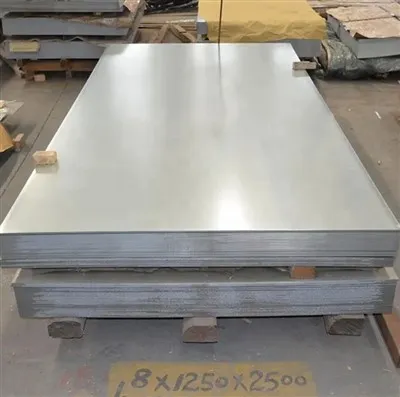
A36 angle bar is a widely used structural steel product known for its versatility and relatively low cost. As a supplier of A36 angle bar, I've seen firsthand the many applications where it serves well. However, like any material, A36 angle bar has its share of disadvantages that potential buyers should be aware of. In this blog post, I'll delve into some of the key drawbacks of A36 angle bar to help you make an informed decision when considering its use in your projects.


1. Limited Corrosion Resistance
One of the most significant disadvantages of A36 angle bar is its relatively poor corrosion resistance. A36 steel is a carbon steel, which means it contains iron and carbon as its primary components. When exposed to moisture and oxygen, iron in the steel reacts with these elements to form iron oxide, commonly known as rust. Rust not only degrades the appearance of the angle bar but also weakens its structural integrity over time.
In outdoor or humid environments, the corrosion process can be accelerated. For example, in coastal areas where the air contains salt particles, the rate of corrosion can be much higher compared to inland areas. This means that if A36 angle bar is used in such environments without proper protection, it may need to be replaced more frequently, increasing the overall cost of the project.
To mitigate this issue, some users opt for Galvanised Angle Bar. Galvanization involves coating the steel with a layer of zinc, which acts as a sacrificial anode to protect the underlying steel from corrosion. While this can significantly improve the corrosion resistance of the angle bar, it also adds to the cost.
2. Lower Strength Compared to Some Alloys
A36 steel has a minimum yield strength of 36,000 psi (pounds per square inch). While this is sufficient for many general - purpose applications, it may not be suitable for projects that require high - strength materials. In comparison, some alloy steels can have yield strengths well over 100,000 psi.
For example, in high - rise building construction or heavy machinery manufacturing, where the angle bar needs to withstand large loads and stresses, the lower strength of A36 angle bar may be a limiting factor. Using A36 angle bar in such applications may require larger cross - sectional dimensions to achieve the necessary strength, which can increase the weight and cost of the structure.
3. Difficulty in Welding and Fabrication
Although A36 steel is weldable, it presents some challenges during the welding process. One of the main issues is the potential for weld cracking. When A36 steel is welded, the heat input can cause rapid cooling in the weld area, leading to the formation of hard and brittle microstructures. These microstructures are prone to cracking, especially under stress.
To prevent weld cracking, pre - heating and post - heating treatments are often required. Pre - heating involves heating the steel before welding to reduce the cooling rate, while post - heating helps to relieve residual stresses in the weld. These additional steps not only add to the complexity of the welding process but also increase the time and cost of fabrication.
In addition, the fabrication of A36 angle bar into complex shapes can be difficult. The material's relatively low ductility compared to some other steels makes it less forgiving when it comes to bending and forming. This can limit the design possibilities and may require more advanced fabrication techniques or specialized equipment.
4. Susceptibility to Fatigue
A36 angle bar is susceptible to fatigue failure, especially when subjected to cyclic loading. Fatigue occurs when a material is repeatedly loaded and unloaded, causing small cracks to form and grow over time. Eventually, these cracks can lead to sudden and catastrophic failure of the angle bar.
In applications such as bridges, machinery, and automotive components, where the angle bar is exposed to cyclic stresses, fatigue can be a major concern. To address this issue, engineers may need to design the structure to minimize cyclic loading or use materials with better fatigue resistance. However, these solutions can increase the cost and complexity of the project.
5. Weight and Transportation Costs
A36 angle bar is made of steel, which is a relatively heavy material. The weight of the angle bar can pose challenges during transportation and installation. Heavier materials require more powerful lifting equipment and larger vehicles for transportation, which can increase the cost of getting the angle bar to the job site.
In addition, the weight of the A36 angle bar can also be a drawback in applications where weight is a critical factor, such as in aerospace or automotive industries. In these industries, lightweight materials are often preferred to improve fuel efficiency and performance.
6. Lack of Customization in Standard Sizes
Most A36 angle bars are available in standard sizes. While these standard sizes can meet the needs of many common applications, they may not be suitable for projects with unique requirements. For example, if a project requires an angle bar with a specific length, width, or thickness that is not available in the standard sizes, it may be difficult or expensive to obtain a custom - made angle bar.
Some suppliers may offer Perforated Angle Bar or Right Angle Bar in standard configurations, but getting a truly customized product can involve longer lead times and higher costs.
Conclusion
While A36 angle bar has many advantages, such as its affordability and wide availability, it also has several significant disadvantages. These include limited corrosion resistance, lower strength compared to some alloys, difficulty in welding and fabrication, susceptibility to fatigue, high weight and transportation costs, and lack of customization in standard sizes.
However, this doesn't mean that A36 angle bar should be avoided altogether. In fact, for many general - purpose applications where cost is a major concern and the performance requirements are not extremely high, A36 angle bar can still be a viable option.
If you're considering using A36 angle bar in your project, it's important to carefully evaluate your specific needs and weigh the pros and cons. If you have any questions or need more information about A36 angle bar or other related products, feel free to reach out to me. I'm here to help you make the best decision for your project.
References
- "Structural Steel Design Handbook" by Jack C. McCormac
- "Welding of Structural Steels" by George E. Totten