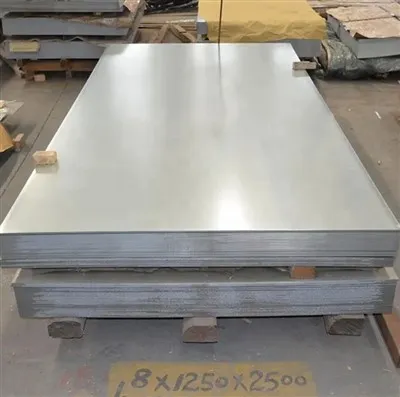
When it comes to using equal angle bars in various construction and manufacturing projects, there are several crucial design considerations that need to be taken into account. As a reliable equal angle bar supplier, I understand the significance of these factors in ensuring the optimal performance and safety of the final products. In this blog post, I will delve into the key design considerations when using equal angle bars.
Material Selection
The first and foremost consideration is the choice of material for the equal angle bars. Different materials offer varying levels of strength, durability, and corrosion resistance. Common materials used for equal angle bars include mild steel, stainless steel, and aluminum.
Mild steel is a popular choice due to its high strength and relatively low cost. It is suitable for a wide range of applications, including structural support, framing, and general fabrication. However, mild steel is prone to corrosion if not properly protected. Galvanizing is a common method to enhance its corrosion resistance. You can find our Galvanised Angle Bar for more corrosion - resistant options.
Stainless steel, on the other hand, offers excellent corrosion resistance, making it ideal for applications in harsh environments such as coastal areas or chemical processing plants. It also has a high aesthetic appeal, which is beneficial for architectural and decorative uses. Although stainless steel is more expensive than mild steel, its long - term durability can offset the initial cost.
Aluminum equal angle bars are lightweight and have good corrosion resistance. They are often used in applications where weight is a critical factor, such as aerospace and automotive industries.
Dimensions and Sizes
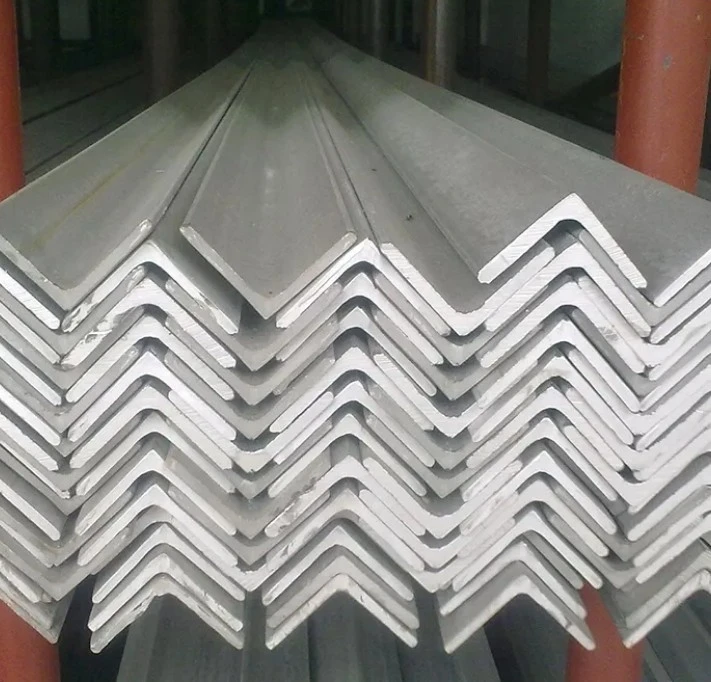
The dimensions and sizes of the equal angle bars play a vital role in determining their load - bearing capacity and suitability for specific applications. The two legs of an equal angle bar have the same length, and the thickness of the bar also varies.
When selecting the size of the equal angle bar, you need to consider the load that it will be subjected to. For heavy - load applications, larger and thicker angle bars are required. The length of the angle bar also needs to be carefully chosen based on the design requirements of the project. For example, in a truss structure, the length of the angle bars should be precisely calculated to ensure proper assembly and load distribution.
Structural Design and Application
The way equal angle bars are incorporated into the overall structural design is another important consideration. They can be used in various configurations, such as single - angle members, double - angle members, or in combination with other structural elements.
In single - angle applications, the angle bar is used independently to provide support or bracing. The orientation of the angle bar can affect its load - carrying capacity. For example, when used as a compression member, the angle bar should be oriented in a way that maximizes its cross - sectional area in the direction of the applied load.
Double - angle members are often used to increase the load - bearing capacity. They can be placed back - to - back or side - by - side, depending on the design requirements. When using double - angle members, proper connection details need to be designed to ensure that the two angles act as a single unit.
Equal angle bars can also be combined with other structural elements such as beams and columns. In these cases, the connection between the angle bar and the other elements needs to be carefully designed to transfer the loads effectively.

Connection Design
The connection design is crucial for the performance of equal angle bars in a structure. There are several methods of connecting equal angle bars, including welding, bolting, and riveting.
Welding provides a strong and rigid connection. It is suitable for applications where high strength and a continuous load path are required. However, welding requires skilled labor and proper welding procedures to ensure the quality of the connection.
Bolting is a more flexible connection method. It allows for easy assembly and disassembly, which is beneficial for maintenance and modification of the structure. When using bolts, the size, grade, and spacing of the bolts need to be carefully selected based on the load requirements.
Riveting was a traditional connection method, but it is less commonly used today. Riveted connections are strong and reliable, but they require specialized equipment and labor.
Surface Finish
The surface finish of equal angle bars can affect their corrosion resistance, appearance, and performance. As mentioned earlier, galvanizing is a common surface treatment for mild steel angle bars. Galvanizing creates a protective zinc coating on the surface of the steel, which prevents corrosion.
In addition to galvanizing, other surface finishes such as painting can also be applied. Painting not only provides additional corrosion protection but also allows for customization of the appearance of the angle bars. For applications where a smooth and clean surface is required, a polished or brushed finish can be used.
Perforation Considerations
In some cases, perforated angle bars may be required. Perforation can reduce the weight of the angle bar while maintaining its structural integrity to some extent. It can also be used for ventilation, drainage, or aesthetic purposes. You can explore our Perforated Angle Bar options.
When designing with perforated angle bars, the size, shape, and pattern of the perforations need to be carefully considered. The perforations should not significantly weaken the angle bar, especially in areas where high stress is expected.
Fire Resistance
Fire resistance is an important consideration, especially in buildings and structures where fire safety is a concern. The fire resistance of equal angle bars depends on the material and the surface treatment.
Stainless steel has better fire resistance compared to mild steel. However, for mild steel angle bars, fire - resistant coatings can be applied to improve their fire - performance. The design should also take into account the potential loss of strength of the angle bars during a fire and ensure that the overall structure can maintain its integrity for a sufficient period.
Cost - Effectiveness
Finally, cost - effectiveness is a practical consideration in any design project. While it is important to choose high - quality equal angle bars that meet the performance requirements, the cost of the materials, fabrication, and installation should also be taken into account.
As a supplier, we offer a wide range of Equal Angle Bar options at competitive prices. We can work with you to find the most cost - effective solution for your project without compromising on quality.
Conclusion
In conclusion, using equal angle bars in design projects requires careful consideration of multiple factors, including material selection, dimensions, structural design, connection design, surface finish, perforation, fire resistance, and cost - effectiveness. By taking these factors into account, you can ensure that the equal angle bars perform optimally in your project.
If you are interested in purchasing equal angle bars for your next project, I encourage you to get in touch with us. Our team of experts can provide you with professional advice and high - quality products to meet your specific needs. We look forward to the opportunity to work with you on your upcoming projects.
References
- ASCE/SEI 7 - 16 Minimum Design Loads and Associated Criteria for Buildings and Other Structures
- AISC Steel Construction Manual
- ASTM Standards for Steel and Aluminum Structural Members