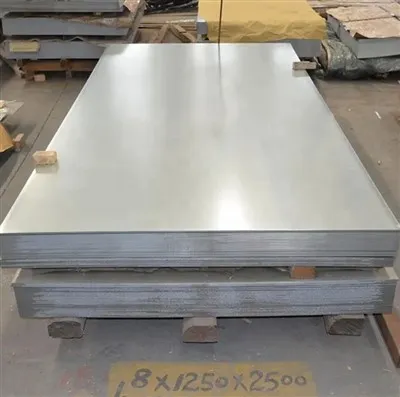
In the ever - evolving landscape of the telecommunications industry, the quest for materials that can enhance performance, reliability, and efficiency is relentless. Among the many materials available, copper sheets have emerged as a versatile and indispensable component. As a supplier of high - quality copper sheets, I've witnessed firsthand the diverse applications and benefits they bring to this dynamic field.
1. Signal Transmission
One of the most fundamental applications of copper sheets in the telecommunications industry is in signal transmission. Copper is an excellent conductor of electricity, which means it can efficiently carry electrical signals over long distances with minimal loss. This property is crucial for telecommunications networks, where the accurate and rapid transfer of data is essential.
In traditional wired communication systems, such as telephone lines and Ethernet cables, copper sheets are often used to create conductive pathways. The thin, flat nature of copper sheets allows for easy integration into cables, where they form the core that carries the electrical signals. For example, in twisted - pair cables, copper sheets are twisted together in pairs to reduce electromagnetic interference and improve signal quality. This ensures that voice and data signals can be transmitted clearly and without distortion, even in noisy environments.
Moreover, copper sheets are also used in coaxial cables, which are commonly employed in cable television and high - speed internet connections. The inner conductor of a coaxial cable is typically made of copper, surrounded by an insulating layer and an outer conductor, often also made of copper or a copper - based material. This design provides excellent shielding against external interference, allowing for high - speed data transfer over long distances. The use of Copper Sheet Plate in these cables ensures reliable and efficient signal transmission, making them a popular choice for telecommunications providers worldwide.
2. Antenna Systems
Antennas are another critical component of the telecommunications infrastructure, and copper sheets play a vital role in their construction. Antennas are used to transmit and receive electromagnetic waves, and the choice of material can significantly impact their performance.

Copper sheets are highly conductive, which makes them ideal for antenna design. They can efficiently convert electrical signals into electromagnetic waves and vice versa. In many antenna systems, copper sheets are used to create the radiating elements, which are responsible for emitting and receiving the signals. The shape and size of the copper sheets can be carefully engineered to optimize the antenna's radiation pattern, gain, and frequency response.
For example, in a dipole antenna, two copper sheets are typically used as the radiating elements. These sheets are arranged in a specific configuration to create a balanced electrical field, which allows for efficient signal transmission and reception. Copper's high conductivity ensures that the antenna can operate at high frequencies with minimal losses, making it suitable for a wide range of telecommunications applications, including mobile phones, Wi - Fi routers, and satellite communication systems.
In addition to the radiating elements, copper sheets are also used in the construction of antenna reflectors and directors. These components help to focus the electromagnetic waves in a specific direction, improving the antenna's gain and directivity. The use of Copper Metal Plate in these applications provides a stable and reliable platform for the antenna system, ensuring optimal performance in various environmental conditions.
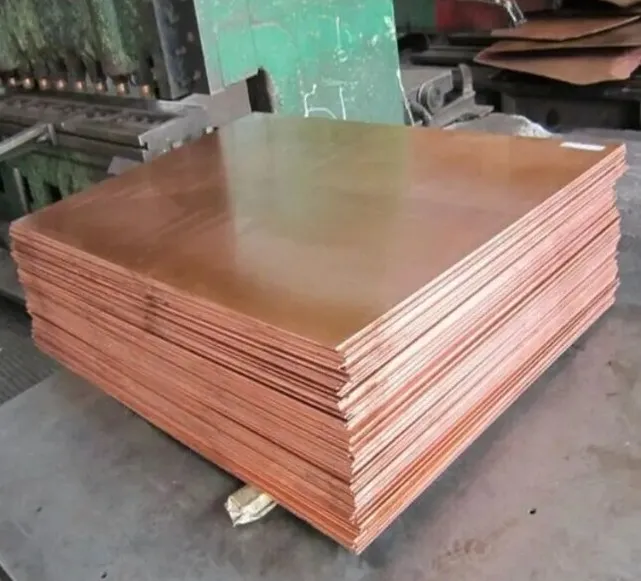
3. Circuit Boards
Circuit boards are the backbone of modern telecommunications devices, and copper sheets are an essential material in their manufacturing. Printed circuit boards (PCBs) are used to connect and support electronic components, and copper sheets are used to create the conductive traces that carry electrical signals between these components.
The process of creating a PCB involves etching copper sheets to form the desired circuit patterns. The high conductivity of copper ensures that the electrical signals can flow smoothly through the circuit, minimizing resistance and signal loss. This is particularly important in high - speed telecommunications devices, where even small amounts of signal degradation can have a significant impact on performance.
Copper sheets also provide excellent mechanical support for the electronic components on the PCB. They are strong and durable, which helps to prevent the components from being damaged due to vibration or mechanical stress. Additionally, copper has good thermal conductivity, which allows it to dissipate heat generated by the electronic components. This helps to maintain the stability and reliability of the circuit board, especially in devices that operate at high power levels.
In the telecommunications industry, PCBs are used in a wide range of devices, including smartphones, tablets, routers, and base stations. The use of high - quality Copper Sheet Plate in these PCBs ensures that the devices can operate efficiently and reliably, providing users with a seamless communication experience.
4. Shielding
Electromagnetic interference (EMI) is a significant challenge in the telecommunications industry, as it can disrupt the normal operation of electronic devices and degrade the quality of communication signals. Copper sheets are widely used as shielding materials to protect sensitive electronic components from EMI.
Copper is an excellent conductor of electricity, which means it can effectively absorb and redirect electromagnetic waves. When a copper sheet is placed around an electronic component or a circuit board, it forms a Faraday cage, which blocks the external electromagnetic fields from reaching the protected area. This helps to prevent interference and ensures that the electronic devices can operate correctly.
In telecommunications equipment, copper shielding is used in a variety of applications. For example, in mobile phones, copper sheets are used to shield the internal components from the electromagnetic radiation generated by the antenna. This helps to reduce the risk of interference with other electronic components and improves the overall performance of the phone. Similarly, in base stations and other telecommunications infrastructure, copper shielding is used to protect the sensitive electronic equipment from external electromagnetic interference, ensuring reliable communication.
5. Heat Dissipation
Telecommunications devices generate a significant amount of heat during operation, especially high - power devices such as base stations and servers. Excessive heat can cause the electronic components to malfunction or even fail, which can lead to service disruptions and costly repairs. Copper sheets are an effective solution for heat dissipation in the telecommunications industry.
Copper has a high thermal conductivity, which means it can quickly transfer heat away from the source. In telecommunications devices, copper sheets are often used as heat sinks, which are designed to absorb and dissipate the heat generated by the electronic components. The copper sheets are typically placed in close contact with the heat - generating components, such as microprocessors and power amplifiers, and are connected to a cooling system, such as a fan or a heat pipe.
For example, in a base station, copper heat sinks are used to cool the power amplifiers, which are one of the main sources of heat in the system. The copper sheets absorb the heat from the amplifiers and transfer it to the cooling system, where it is dissipated into the surrounding environment. This helps to maintain the temperature of the components within a safe operating range, ensuring the reliability and longevity of the equipment. The use of 3 4 Refrigeration Copper Tubing in some cooling systems further enhances the heat dissipation efficiency, as the tubing can carry coolant to remove heat more effectively.

Conclusion
As a supplier of copper sheets, I'm proud to be part of an industry that relies on these versatile materials to drive innovation and progress. The applications of copper sheets in the telecommunications industry are vast and varied, from signal transmission and antenna design to circuit board manufacturing, shielding, and heat dissipation. Their excellent electrical and thermal conductivity, combined with their mechanical strength and durability, make them an ideal choice for a wide range of telecommunications applications.
If you're in the telecommunications industry and are looking for high - quality copper sheets for your projects, I encourage you to reach out. Our company offers a wide range of copper sheet products, including Copper Sheet Plate, 3 4 Refrigeration Copper Tubing, and Copper Metal Plate, all of which are manufactured to the highest standards. We can provide customized solutions to meet your specific requirements and ensure that you get the best performance and value from our products. Contact us today to start a conversation about your copper sheet needs and explore how we can work together to achieve your goals in the telecommunications industry.
References
- Groover, M. P. (2010). Fundamentals of Modern Manufacturing: Materials, Processes, and Systems. Wiley.
- ASM Handbook Committee. (1990). ASM Handbook Volume 2: Properties and Selection: Nonferrous Alloys and Special - Purpose Materials. ASM International.
- Ramo, S., Whinnery, J. R., & Van Duzer, T. (1994). Fields and Waves in Communication Electronics. Wiley.