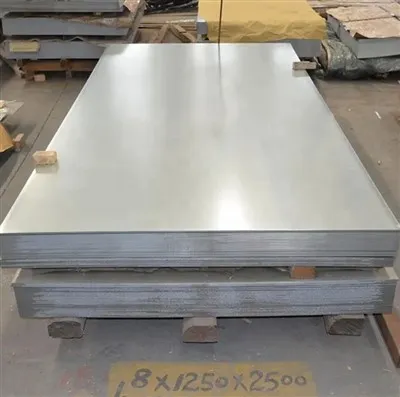
As a supplier of Ipe S235, I understand the critical issue of marine corrosion that can significantly impact the performance and lifespan of this steel product. Marine environments are particularly harsh, with factors such as saltwater, high humidity, and oxygen contributing to the corrosion process. In this blog, I will share some effective strategies to prevent marine corrosion of Ipe S235, ensuring its long - term durability and reliability.
Understanding Marine Corrosion of Ipe S235
Before delving into prevention methods, it's essential to understand how marine corrosion occurs on Ipe S235. Ipe S235 is a type of structural steel commonly used in various construction projects, including those in marine settings. When exposed to saltwater, a complex electrochemical reaction takes place. The salt in the water acts as an electrolyte, facilitating the flow of electrons between different parts of the steel surface. This results in the oxidation of iron in the steel, forming rust, which gradually weakens the material.
Coating Application
One of the most widely used methods to prevent marine corrosion is the application of protective coatings. There are several types of coatings available, each with its own advantages and limitations.
Epoxy Coatings
Epoxy coatings are highly effective in providing a barrier between the Ipe S235 and the corrosive marine environment. They have excellent adhesion properties, which means they can firmly bond to the steel surface. Epoxy coatings also offer good chemical resistance, protecting the steel from the harsh chemicals present in saltwater. Before applying an epoxy coating, the steel surface must be properly prepared. This typically involves abrasive blasting to remove any existing rust, scale, or contaminants. A rough surface created by blasting ensures better adhesion of the coating. Once the surface is prepared, the epoxy coating is applied in multiple layers, with each layer allowed to dry thoroughly before the next one is added.

Zinc - Rich Primers
Zinc - rich primers are another popular choice for protecting Ipe S235 in marine environments. Zinc is a sacrificial metal, which means it corrodes preferentially to the steel. When a zinc - rich primer is applied to the steel surface, the zinc acts as an anode and the steel as a cathode in the electrochemical cell. As a result, the zinc corrodes first, protecting the steel from rusting. These primers can be applied by spraying or brushing, and they are often used as a base coat before applying a topcoat for enhanced protection.
Cathodic Protection
Cathodic protection is a technique that involves making the Ipe S235 the cathode in an electrochemical cell to prevent corrosion. There are two main types of cathodic protection: sacrificial anode protection and impressed current cathodic protection.
Sacrificial Anode Protection
In sacrificial anode protection, a more active metal, such as zinc or aluminum, is connected to the Ipe S235. The sacrificial anode corrodes instead of the steel, providing protection. This method is relatively simple and cost - effective, making it suitable for small - scale applications or areas where power supply is limited. The sacrificial anodes need to be periodically replaced as they corrode over time.
Impressed Current Cathodic Protection
Impressed current cathodic protection uses an external power source to supply a direct current to the Ipe S235. An inert anode, such as graphite or mixed metal oxide, is also used in this system. The current flow reverses the electrochemical reaction that causes corrosion, protecting the steel. This method is more suitable for large - scale structures or areas with high corrosion rates. However, it requires a continuous power supply and regular monitoring to ensure its effectiveness.
Design Considerations
Proper design can also play a crucial role in preventing marine corrosion of Ipe S235.
Avoiding Crevices
Crevices can trap water and create an environment where corrosion can occur more easily. When designing structures using Ipe S235, it's important to avoid creating crevices. For example, when joining two steel components, use continuous welds instead of bolted connections with gaps. If bolted connections are necessary, ensure that gaskets or sealants are used to fill the gaps and prevent water ingress.
Drainage
Good drainage is essential to prevent the accumulation of water on the steel surface. Structures should be designed with slopes or drainage channels to allow water to flow off quickly. This reduces the time that the steel is in contact with water, minimizing the risk of corrosion.
Material Selection and Alloying
Although Ipe S235 is a commonly used steel, in some cases, alloying or using alternative materials can provide better corrosion resistance.
Alloying Elements
Adding alloying elements such as chromium, nickel, and molybdenum to the steel can improve its corrosion resistance. These elements form a passive oxide layer on the steel surface, which acts as a barrier against corrosion. However, alloying can also increase the cost of the steel, so it needs to be carefully considered based on the specific requirements of the project.
Alternative Materials
In some situations, using alternative materials with better corrosion resistance may be a viable option. For example, stainless steel has excellent corrosion resistance in marine environments. However, it is also more expensive than Ipe S235. Therefore, a cost - benefit analysis should be conducted to determine the most suitable material for the project.
Regular Inspection and Maintenance
Regular inspection and maintenance are essential to ensure the long - term protection of Ipe S235 from marine corrosion.
Visual Inspection
Visual inspection should be carried out regularly to detect any signs of corrosion, such as rust spots or coating damage. Any areas of concern should be marked and further investigated. If corrosion is detected early, it can be addressed before it causes significant damage to the structure.
Coating Maintenance
If protective coatings are used, they need to be maintained regularly. This may involve touch - up painting of any damaged areas or reapplying the coating after a certain period. The frequency of coating maintenance depends on the type of coating and the severity of the marine environment.
Conclusion
Preventing marine corrosion of Ipe S235 requires a comprehensive approach that includes coating application, cathodic protection, proper design, material selection, and regular inspection and maintenance. By implementing these strategies, the lifespan of Ipe S235 in marine environments can be significantly extended, reducing the need for costly repairs and replacements.
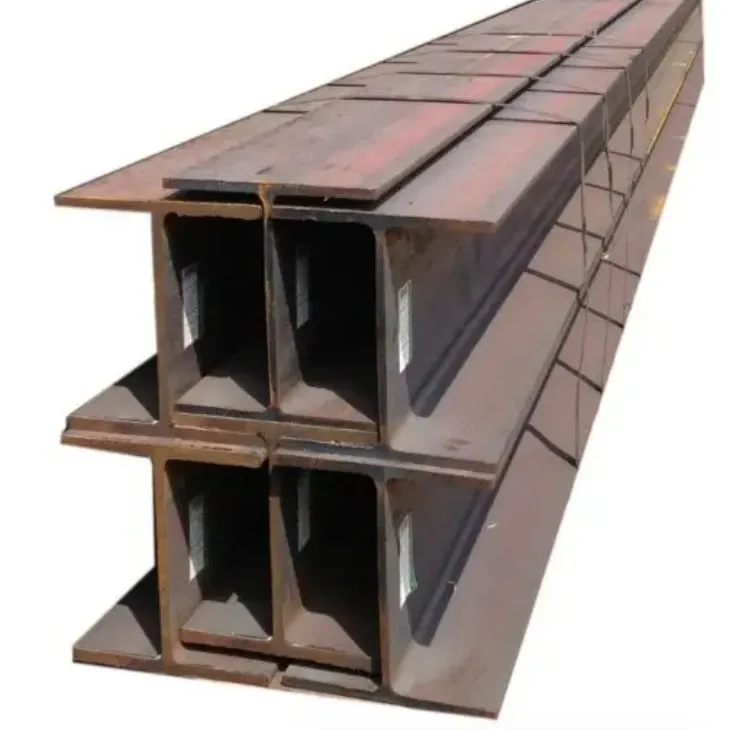
If you are in the market for high - quality Ipe S235 or have any questions about preventing marine corrosion, we are here to help. We also offer related products such as Profil Upn 100, H Beam Ss400, and A36 A572 50 Standard Steel I Beam. Feel free to contact us to discuss your procurement needs and start a fruitful business partnership.
References
- Fontana, M. G. (1986). Corrosion Engineering. McGraw - Hill.
- Uhlig, H. H., & Revie, R. W. (1985). Corrosion and Corrosion Control: An Introduction to Corrosion Science and Engineering. Wiley.
- ASM International. (2003). Handbook of Corrosion Data. ASM International.