When it comes to selecting the right materials for outdoor construction projects, durability, strength, and resistance to environmental factors are of utmost importance. As a supplier of Ipe 200 Profile, I often encounter inquiries regarding its suitability for outdoor use. In this blog post, I will delve into the characteristics of Ipe 200 Profile and explore whether it is a viable option for outdoor applications.
Understanding Ipe 200 Profile
Ipe, also known as Brazilian Walnut, is a hardwood native to Central and South America. Renowned for its exceptional durability and strength, Ipe has been a popular choice for outdoor construction for decades. The Ipe 200 Profile is a specific dimension of Ipe lumber, typically used in structural applications such as beams, columns, and decking.
One of the key features of Ipe 200 Profile is its high density. With a density ranging from 800 to 1,100 kg/m³, Ipe is significantly heavier than most other hardwoods. This high density contributes to its exceptional strength and resistance to wear and tear, making it ideal for outdoor use where it may be subjected to heavy foot traffic, harsh weather conditions, and other environmental stresses.
In addition to its high density, Ipe 200 Profile also exhibits excellent natural resistance to rot, decay, and insect infestation. This is due to the presence of natural oils and extractives in the wood, which act as a natural preservative. As a result, Ipe does not require the use of chemical treatments to protect it from these common outdoor hazards, making it a more environmentally friendly option compared to other treated woods.
Advantages of Using Ipe 200 Profile for Outdoor Applications
Durability
As mentioned earlier, Ipe 200 Profile is extremely durable and can withstand the rigors of outdoor use for many years. Its high density and natural resistance to rot and decay make it a long-lasting choice for outdoor structures such as decks, pergolas, and fences. Unlike other woods that may warp, crack, or splinter over time, Ipe maintains its structural integrity and appearance, even in harsh weather conditions.
Strength
Ipe 200 Profile is one of the strongest hardwoods available, with a high modulus of rupture and elasticity. This means that it can support heavy loads without bending or breaking, making it suitable for use in structural applications such as beams and columns. Whether you are building a large deck or a small pergola, Ipe 200 Profile provides the strength and stability you need to ensure the safety and longevity of your outdoor structure.

Aesthetics
In addition to its durability and strength, Ipe 200 Profile also offers a beautiful and natural aesthetic that enhances the look of any outdoor space. With its rich, warm color and unique grain pattern, Ipe adds a touch of elegance and sophistication to decks, patios, and other outdoor areas. Over time, Ipe will naturally weather to a silver-gray patina, which many people find to be even more attractive than its original color.
Low Maintenance
Another advantage of using Ipe 200 Profile for outdoor applications is its low maintenance requirements. Unlike other woods that may require regular staining, sealing, or painting to maintain their appearance and protect them from the elements, Ipe only needs to be cleaned occasionally with a mild soap and water solution. This makes it a convenient and cost-effective choice for busy homeowners and commercial property owners.
Considerations for Using Ipe 200 Profile Outdoors
While Ipe 200 Profile offers many advantages for outdoor use, there are also a few considerations to keep in mind before choosing it for your project.
Cost
One of the main drawbacks of Ipe 200 Profile is its relatively high cost compared to other woods. Due to its limited availability and the high demand for it, Ipe is more expensive than most other hardwoods. However, it is important to consider the long-term value of Ipe when making your decision. While the initial cost may be higher, the durability and low maintenance requirements of Ipe can save you money in the long run by reducing the need for frequent repairs and replacements.
Hardness
Ipe 200 Profile is extremely hard, which can make it difficult to work with. Cutting, drilling, and fastening Ipe requires the use of specialized tools and techniques, and it may also cause excessive wear on your tools. If you are not experienced in working with hardwoods, it is recommended that you hire a professional contractor to install your Ipe 200 Profile.
Slipperiness
When wet, Ipe 200 Profile can become slippery, which may pose a safety hazard, especially on decks and other areas where people may be walking. To reduce the risk of slips and falls, it is recommended that you choose a textured or grooved surface for your Ipe decking, or apply a non-slip coating to the surface.
Comparing Ipe 200 Profile with Other Outdoor Building Materials
In addition to Ipe 200 Profile, there are several other materials available for outdoor construction projects. Here is a comparison of Ipe 200 Profile with some of the most common alternatives:
Pressure-Treated Wood
Pressure-treated wood is a popular choice for outdoor construction due to its affordability and availability. However, unlike Ipe 200 Profile, pressure-treated wood requires the use of chemical treatments to protect it from rot, decay, and insect infestation. These chemicals can be harmful to the environment and may also pose a health risk to humans and animals. In addition, pressure-treated wood may warp, crack, or splinter over time, especially if it is not properly maintained.
Composite Decking
Composite decking is a synthetic material made from a combination of wood fibers and plastic. It is often touted as a low-maintenance alternative to wood decking, as it does not require staining, sealing, or painting. However, composite decking can be more expensive than Ipe 200 Profile, and it may not have the same natural aesthetic appeal. In addition, composite decking may fade, stain, or scratch over time, especially in areas with high sunlight exposure.
Steel Beams
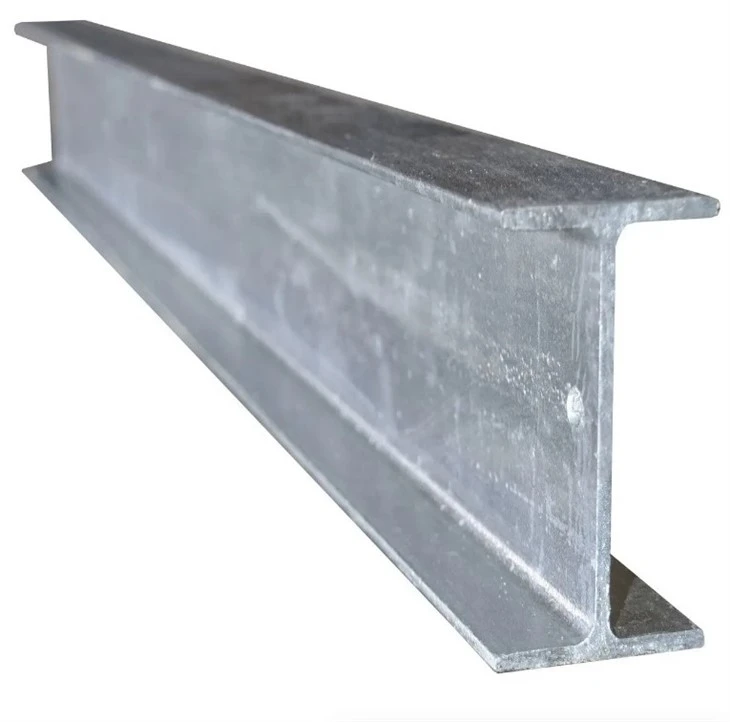
Steel beams, such as the A572 A992 Steel H Beam and A36 A572 50 Standard Steel I Beam, are commonly used in structural applications due to their high strength and durability. While steel beams offer many advantages, they can be more expensive than Ipe 200 Profile, and they may require specialized installation techniques. In addition, steel beams are prone to rust and corrosion, especially in outdoor environments, which may require regular maintenance to prevent damage.
H Beam 300 X 300
The H Beam 300 X 300 is another type of steel beam that is commonly used in construction. Like other steel beams, it offers high strength and durability, but it may also be more expensive and require specialized installation. In addition, the H Beam 300 X 300 may not have the same natural aesthetic appeal as Ipe 200 Profile, which can be an important consideration for some outdoor projects.
Conclusion
In conclusion, Ipe 200 Profile is a highly suitable material for outdoor use, offering exceptional durability, strength, and natural resistance to rot, decay, and insect infestation. While it may be more expensive than some other materials, its long-term value and low maintenance requirements make it a cost-effective choice for many outdoor construction projects. However, it is important to consider the specific requirements of your project and the potential drawbacks of using Ipe 200 Profile, such as its hardness and slipperiness, before making a decision.
If you are interested in using Ipe 200 Profile for your outdoor project, I encourage you to contact me to discuss your options and get a quote. As a supplier of Ipe 200 Profile, I can provide you with high-quality materials and expert advice to help you make the best choice for your project. Whether you are building a deck, a pergola, or a fence, I am confident that Ipe 200 Profile will meet your needs and exceed your expectations.
References
- "Ipe Wood: A Guide to Its Uses and Benefits." The Spruce, https://www.thespruce.com/ipe-wood-guide-4122973.
- "Comparing Ipe Wood to Other Decking Materials." Decks.com, https://www.decks.com/how-to/1045-comparing-ipe-wood-to-other-decking-materials.
- "Ipe Wood: Durability, Maintenance, and Cost." This Old House, https://www.thisoldhouse.com/decks/21018663/ipe-wood-durability-maintenance-and-cost.