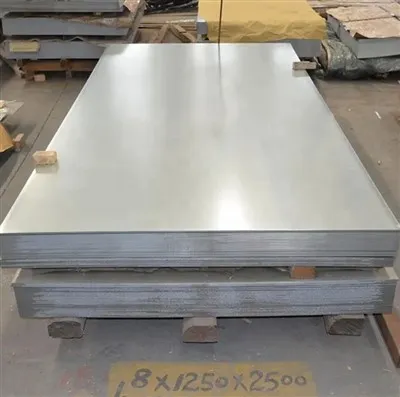
In the dynamic landscape of the steel industry, new technologies are reshaping the performance of steel plates in profound ways. As a steel plate supplier, I've witnessed firsthand how these advancements are not only enhancing the quality and capabilities of our products but also opening up new possibilities for various applications. In this blog post, I'll explore the key technologies that are influencing the performance of steel plates and how they benefit our customers.
Advanced Manufacturing Processes
One of the most significant ways new technologies are impacting steel plate performance is through advanced manufacturing processes. Traditional steelmaking methods have been refined and augmented with state - of - the - art techniques to produce steel plates with superior properties.
Precision Rolling
Precision rolling technology allows for extremely accurate control of the thickness, flatness, and shape of steel plates. By using high - precision rolling mills equipped with advanced sensors and control systems, we can achieve thickness tolerances as low as a few hundredths of a millimeter. This level of precision is crucial for applications where exact dimensions are required, such as in the construction of high - rise buildings and aerospace components. For example, in the aerospace industry, the precise thickness of steel plates ensures the structural integrity of aircraft wings and fuselages, contributing to flight safety.
Heat Treatment Innovations
Heat treatment is a critical step in enhancing the mechanical properties of steel plates. New heat treatment technologies, such as controlled atmosphere heat treatment and induction heating, offer more precise control over the heating and cooling processes. Controlled atmosphere heat treatment prevents oxidation and decarburization of the steel surface, resulting in a cleaner and more uniform microstructure. Induction heating, on the other hand, provides rapid and localized heating, which can be used to achieve specific hardness and toughness profiles in different parts of the steel plate. This is particularly useful for applications like manufacturing heavy - duty machinery parts, where different areas of the plate may require different mechanical properties.
Material Science Advancements
Material science research is constantly pushing the boundaries of what steel plates can achieve. By developing new alloys and understanding the behavior of existing materials at a microscopic level, we can create steel plates with enhanced performance characteristics.


Microalloying
Microalloying involves adding small amounts of elements such as niobium, vanadium, and titanium to the steel composition. These microalloying elements have a profound effect on the grain structure and precipitation hardening of the steel. For instance, niobium can refine the grain size of the steel, which improves its strength and toughness. Microalloyed steel plates are widely used in the automotive and construction industries, where high strength - to - weight ratios are desired. They allow for the design of lighter and more fuel - efficient vehicles, as well as more durable and sustainable buildings.
Nanotechnology in Steel
Nanotechnology is also making its mark on the steel industry. By introducing nanoscale particles or structures into the steel matrix, we can enhance its corrosion resistance, wear resistance, and mechanical properties. For example, nanocoatings can be applied to the surface of steel plates to provide a protective barrier against corrosion. These coatings are extremely thin but highly effective, and they can significantly extend the service life of steel plates in harsh environments, such as offshore oil rigs and chemical plants.
Digitalization and Smart Manufacturing
The era of digitalization and smart manufacturing is transforming the way we produce and manage steel plates. By leveraging data analytics, artificial intelligence, and the Internet of Things (IoT), we can optimize the production process, improve quality control, and enhance customer service.
Predictive Maintenance
In a smart manufacturing environment, sensors are installed on production equipment to collect real - time data on its performance. This data is then analyzed using machine learning algorithms to predict when maintenance is required. By identifying potential issues before they cause breakdowns, we can minimize production downtime and ensure a consistent supply of high - quality steel plates. For example, if a sensor detects abnormal vibrations in a rolling mill, the system can alert maintenance personnel, who can then take preventive measures to avoid costly repairs and production delays.
Quality Control with AI
Artificial intelligence is also being used for quality control. Computer vision systems can inspect steel plates for surface defects, such as cracks, scratches, and inclusions, with a high degree of accuracy. These systems can detect even the smallest defects that may be missed by human inspectors, ensuring that only the highest - quality steel plates are delivered to our customers. Additionally, AI can analyze the chemical composition and mechanical properties of steel plates based on data collected during the production process, providing real - time feedback to adjust the manufacturing parameters and maintain product consistency.
Impact on Specific Steel Plate Types
Let's take a look at how these new technologies are affecting some specific types of steel plates that we supply.
S275Jr Carbon Steel
S275Jr carbon steel is a widely used structural steel. With the application of advanced manufacturing processes and material science advancements, the strength and ductility of S275Jr steel plates have been improved. Precision rolling ensures uniform thickness and flatness, while heat treatment can optimize its mechanical properties. Microalloying can also be used to enhance its performance, making it more suitable for demanding construction projects, such as bridges and industrial buildings.
A588 Steel Plate
A588 steel plate is known for its high strength and corrosion resistance, which are essential for outdoor and marine applications. New technologies, such as nanocoatings and advanced heat treatment, can further enhance its corrosion resistance and mechanical properties. The use of digitalization in the production process ensures consistent quality, making A588 steel plates a reliable choice for structures exposed to harsh weather conditions and saltwater environments.
Astm A572 Gr 50 Plate
Astm A572 Gr 50 plate is a high - strength, low - alloy steel commonly used in construction and heavy - equipment manufacturing. Advanced manufacturing processes and material science innovations have made it possible to produce Astm A572 Gr 50 plates with even higher strength and better weldability. Precision rolling and heat treatment can refine the microstructure of the steel, while microalloying can improve its overall performance. These improvements make Astm A572 Gr 50 plates more versatile and cost - effective for a wide range of applications.
Benefits for Our Customers
The advancements in technology bring numerous benefits to our customers. Firstly, they can expect higher - quality steel plates with better performance characteristics, which means longer service life and reduced maintenance costs. Secondly, the use of digitalization and smart manufacturing allows for more efficient production processes, resulting in shorter lead times and more competitive pricing. Thirdly, our ability to offer customized solutions based on the specific requirements of our customers is enhanced, thanks to the flexibility provided by new technologies.
Contact Us for Procurement
If you're in the market for high - quality steel plates, we'd love to hear from you. Our team of experts is ready to assist you in selecting the right steel plate for your application and providing you with the best possible service. Whether you need a small quantity for a prototype or a large order for a major project, we have the capabilities to meet your needs. Contact us today to start a procurement discussion and discover how our technologically advanced steel plates can add value to your business.
References
- ASM Handbook Committee. (2004). ASM Handbook Volume 1: Properties and Selection: Irons, Steels, and High - Performance Alloys. ASM International.
- Schumann, G., & Totten, G. E. (Eds.). (2012). Steel Heat Treatment: Metallurgy and Technologies. CRC Press.
- Groover, M. P. (2010). Fundamentals of Modern Manufacturing: Materials, Processes, and Systems. Wiley.