Are 100Mm C Purlins Galvanized?
As a supplier of 100Mm C purlins, I often encounter questions from customers regarding the galvanization of these products. Galvanization is a crucial process in the manufacturing of steel products, especially for purlins, as it significantly enhances their durability and resistance to corrosion. In this blog post, I will delve into the topic of whether 100Mm C purlins are galvanized, the benefits of galvanization, and how it impacts the quality and performance of these purlins.
Galvanization of 100Mm C Purlins
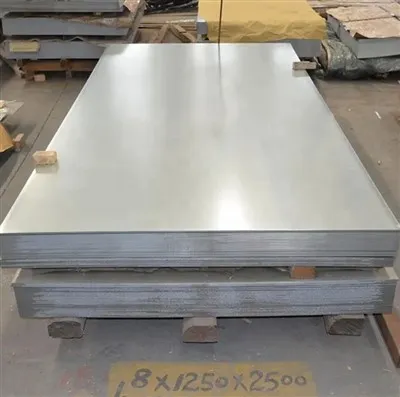
The short answer is yes, most 100Mm C purlins are galvanized. Galvanization is a process of applying a protective zinc coating to steel to prevent rusting. This process involves immersing the steel in a bath of molten zinc, which forms a metallurgical bond with the steel surface. The zinc coating acts as a sacrificial anode, corroding preferentially to the steel and providing long - term protection.
In the case of 100Mm C purlins, galvanization is standard practice in the industry. This is because purlins are often used in construction projects where they are exposed to various environmental conditions, such as moisture, humidity, and chemicals. Without proper protection, the steel purlins would quickly rust and deteriorate, leading to structural instability and reduced lifespan.
Benefits of Galvanized 100Mm C Purlins
- Corrosion Resistance: The primary benefit of galvanized 100Mm C purlins is their excellent corrosion resistance. The zinc coating acts as a barrier between the steel and the environment, preventing oxygen and water from reaching the steel surface. This significantly reduces the risk of rust and corrosion, even in harsh environments. For example, in coastal areas where the air contains high levels of salt, galvanized purlins can withstand the corrosive effects of saltwater spray for many years.
- Longevity: Galvanized purlins have a much longer lifespan compared to non - galvanized ones. The protective zinc coating can last for decades, depending on the environmental conditions. This means that buildings constructed with galvanized 100Mm C purlins require less maintenance and replacement over time, resulting in cost savings for the building owner.
- Strength and Durability: Galvanization does not only protect the surface of the purlins but also enhances their overall strength and durability. The zinc coating adds an extra layer of protection, making the purlins more resistant to physical damage, such as scratches and dents. This is particularly important during transportation and installation, where the purlins may be subjected to rough handling.
- Aesthetic Appeal: Galvanized 100Mm C purlins have a clean and attractive appearance. The shiny zinc coating gives the purlins a modern and professional look, which can enhance the overall aesthetic of the building. In addition, the uniform appearance of galvanized purlins makes them suitable for both visible and hidden structural applications.
How Galvanization Affects the Performance of 100Mm C Purlins
- Load - Bearing Capacity: Galvanization does not significantly affect the load - bearing capacity of 100Mm C purlins. The zinc coating is relatively thin and does not add a significant amount of weight to the purlins. Therefore, the purlins can still support the same amount of load as non - galvanized purlins of the same size and thickness.
- Connection and Assembly: Galvanized purlins are easy to connect and assemble. The smooth surface of the zinc coating allows for easy installation of bolts, screws, and other fasteners. In addition, the corrosion resistance of the purlins ensures that the connections remain strong and stable over time.
- Compatibility with Other Materials: Galvanized 100Mm C purlins are compatible with a wide range of other building materials, such as roofing sheets, wall panels, and insulation. The zinc coating does not react with these materials, ensuring a long - lasting and reliable building structure.
Different Types of Galvanization for 100Mm C Purlins
There are two main types of galvanization commonly used for 100Mm C purlins: hot - dip galvanization and electro - galvanization.
- Hot - Dip Galvanization: This is the most common and effective method of galvanization for purlins. In hot - dip galvanization, the purlins are first cleaned to remove any dirt, grease, and oxides from the surface. Then, they are immersed in a bath of molten zinc at a temperature of around 450°C. The zinc reacts with the steel to form a series of zinc - iron alloy layers, which provide excellent adhesion and corrosion resistance. Hot - dip galvanized purlins have a thick and durable zinc coating, which can last for many years.
- Electro - Galvanization: Electro - galvanization is a less common method for purlins. In this process, a thin layer of zinc is deposited on the steel surface using an electric current. Electro - galvanized purlins have a thinner zinc coating compared to hot - dip galvanized purlins, which means they have a shorter lifespan and lower corrosion resistance. However, electro - galvanization is a more precise process, which can be used to achieve a uniform and smooth zinc coating.
Comparison with Other Types of Purlins
When considering 100Mm C purlins, it is also important to compare them with other types of purlins, such as 150 C Purlin and Steel Z Purlins.
- 150 C Purlin: 150 C purlins are larger in size compared to 100Mm C purlins. They have a greater load - bearing capacity and are suitable for larger buildings or structures. However, like 100Mm C purlins, 150 C purlins are also commonly galvanized to protect them from corrosion.
- Steel Z Purlins: Steel Z purlins have a different shape compared to C purlins. They are often used in applications where a more efficient use of space is required. Similar to C purlins, steel Z purlins are typically galvanized to enhance their durability and corrosion resistance.
Quality Control in Galvanized 100Mm C Purlins
As a supplier, we take quality control very seriously. Before the purlins are galvanized, we ensure that the steel used meets the required standards in terms of strength, thickness, and chemical composition. During the galvanization process, we monitor the temperature, time, and zinc concentration to ensure a uniform and high - quality zinc coating. After galvanization, the purlins are inspected for any defects, such as uneven coating, blisters, or cracks.
Conclusion
In conclusion, 100Mm C purlins are generally galvanized to provide excellent corrosion resistance, longevity, and strength. Galvanization is a crucial process that enhances the performance and quality of these purlins, making them suitable for a wide range of construction applications. Whether you are building a small shed or a large commercial building, galvanized 100Mm C purlins are a reliable and cost - effective choice.
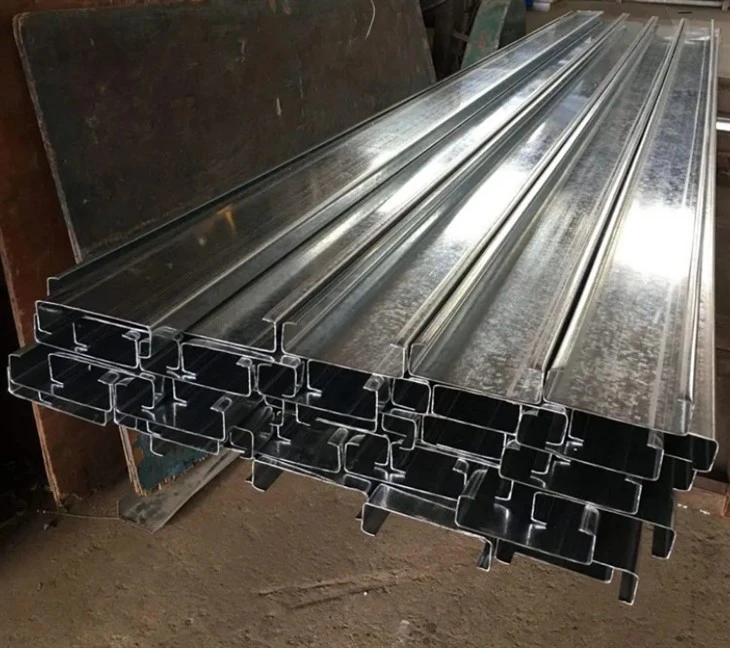

If you are interested in purchasing 100Mm C purlins or C Section Steel Channel, please feel free to contact us for more information. We are committed to providing high - quality products and excellent customer service. Let's discuss your project requirements and find the best solutions for your construction needs.
References
- ASTM A123/A123M - Standard Specification for Zinc (Hot - Dip Galvanized) Coatings on Iron and Steel Products.
- ISO 1461:2009 - Hot - dip galvanized coatings on fabricated iron and steel articles — Specifications and test methods.