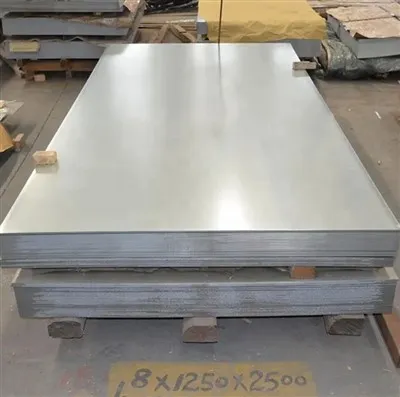
Welding carbon steel coil is a crucial process in various industries, from construction to manufacturing. As a trusted Carbon Steel Coil supplier, I've witnessed firsthand the importance of proper welding techniques to ensure the quality and integrity of the final product. In this blog post, I'll share some valuable insights on how to weld carbon steel coil effectively.
Understanding Carbon Steel Coil
Before diving into the welding process, it's essential to have a good understanding of carbon steel coil. Carbon steel is an alloy of iron and carbon, with the carbon content typically ranging from 0.05% to 2.0%. The varying carbon content affects the properties of the steel, such as its strength, hardness, and weldability.
There are different types of carbon steel coils available in the market, including Hr Sheet Coil, Cr Coil Sheet, and Hr Slit Coil. Each type has its own unique characteristics and applications, so it's important to choose the right one for your specific project.
Preparing for Welding
Proper preparation is key to achieving a successful weld. Here are some important steps to take before you start welding carbon steel coil:
1. Cleaning the Coil
The surface of the carbon steel coil must be clean and free from any contaminants, such as rust, oil, grease, or paint. These contaminants can prevent the weld from bonding properly and may lead to defects in the final product. You can clean the coil using a wire brush, sandpaper, or a chemical cleaner.
2. Cutting the Coil
If necessary, cut the carbon steel coil to the desired length and shape. Use a suitable cutting tool, such as a plasma cutter or a saw, to ensure a clean and precise cut. Make sure to follow all safety precautions when cutting the coil.
3. Joint Preparation
The type of joint you choose will depend on the specific requirements of your project. Common joint types for welding carbon steel coil include butt joints, lap joints, and T-joints. Before welding, prepare the joint by beveling the edges if necessary. This will help to ensure proper penetration and a strong weld.
4. Selecting the Right Welding Process
There are several welding processes available for welding carbon steel coil, including shielded metal arc welding (SMAW), gas metal arc welding (GMAW), and flux-cored arc welding (FCAW). Each process has its own advantages and disadvantages, so it's important to choose the one that is best suited for your project. Consider factors such as the thickness of the coil, the type of joint, and the welding environment when selecting the welding process.
5. Choosing the Right Welding Equipment and Consumables
In addition to selecting the right welding process, you'll also need to choose the appropriate welding equipment and consumables. This includes the welding machine, electrodes, filler metal, and shielding gas. Make sure to choose high-quality equipment and consumables that are compatible with the carbon steel coil and the welding process you've selected.
Welding Techniques
Once you've completed the preparation steps, it's time to start welding. Here are some important techniques to keep in mind when welding carbon steel coil:
1. Setting the Welding Parameters
The welding parameters, such as the current, voltage, and travel speed, will depend on the thickness of the coil, the type of joint, and the welding process you're using. Refer to the manufacturer's recommendations or consult with a welding expert to determine the appropriate welding parameters for your specific project.
2. Maintaining the Correct Arc Length
The arc length is the distance between the electrode and the workpiece. Maintaining the correct arc length is crucial for achieving a stable arc and a good weld. If the arc length is too long, the weld may be weak and porous. If the arc length is too short, the electrode may stick to the workpiece.
3. Using the Correct Welding Technique
The welding technique you use will depend on the type of joint and the welding process. For example, when welding a butt joint, you may use a back-and-forth motion or a circular motion to ensure proper penetration. When welding a lap joint, you may use a fillet weld to join the two pieces of metal together.
4. Controlling the Heat Input
Controlling the heat input is important to prevent the carbon steel coil from overheating and becoming distorted. Too much heat can also cause the weld to become brittle and prone to cracking. To control the heat input, you can adjust the welding parameters, such as the current and voltage, and use a suitable welding technique.
5. Welding in Multiple Passes
For thicker carbon steel coils, it may be necessary to weld in multiple passes. This will help to ensure proper penetration and a strong weld. Make sure to clean the weld between each pass to remove any slag or debris.
Post-Welding Inspection and Treatment
After you've completed the welding process, it's important to inspect the weld to ensure its quality. Here are some important steps to take after welding carbon steel coil:
1. Visual Inspection
Perform a visual inspection of the weld to check for any obvious defects, such as cracks, porosity, or lack of fusion. Look for any signs of distortion or warping in the coil.
2. Non-Destructive Testing
If necessary, perform non-destructive testing (NDT) on the weld to detect any internal defects that may not be visible to the naked eye. Common NDT methods for welding carbon steel coil include ultrasonic testing, radiographic testing, and magnetic particle testing.
3. Post-Weld Heat Treatment
Depending on the specific requirements of your project, you may need to perform post-weld heat treatment (PWHT) on the carbon steel coil. PWHT can help to relieve residual stresses in the weld and improve its mechanical properties. The specific heat treatment process will depend on the type of carbon steel and the welding process used.
Safety Considerations
Welding carbon steel coil can be a dangerous process, so it's important to take all necessary safety precautions to protect yourself and others. Here are some important safety considerations to keep in mind:
1. Wear Protective Gear
Always wear appropriate protective gear, such as a welding helmet, welding gloves, welding jacket, and safety glasses. This will help to protect you from the heat, sparks, and fumes generated during the welding process.

2. Use Proper Ventilation
Welding produces harmful fumes and gases, so it's important to work in a well-ventilated area. If possible, use a ventilation system to remove the fumes from the work area.
3. Follow Safety Procedures
Follow all safety procedures and guidelines when using welding equipment. This includes reading the manufacturer's instructions, using the equipment correctly, and performing regular maintenance on the equipment.
4. Be Aware of Your Surroundings
Be aware of your surroundings and make sure there are no flammable materials or other hazards in the work area. Keep a fire extinguisher nearby in case of an emergency.
Conclusion
Welding carbon steel coil is a complex process that requires proper preparation, technique, and safety precautions. By following the tips and guidelines outlined in this blog post, you can achieve a high-quality weld and ensure the success of your project.
As a Carbon Steel Coil supplier, I'm committed to providing my customers with the highest quality products and services. If you have any questions or need assistance with your carbon steel coil welding project, please don't hesitate to contact me. I'd be happy to help you find the right solution for your needs.
References
- AWS Welding Handbook, Volume 1: Welding Science and Technology, American Welding Society
- Welding Metallurgy and Weldability of Carbon Steels, John C. Lippold and David K. Miller
- ASME Boiler and Pressure Vessel Code, Section IX: Welding and Brazing Qualifications, American Society of Mechanical Engineers