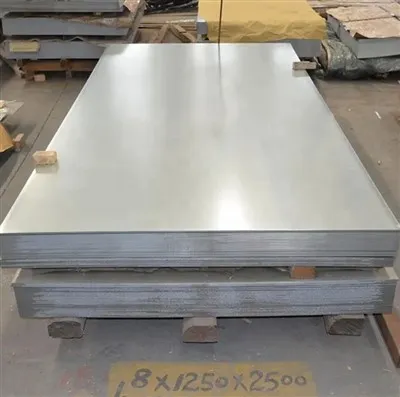
Hey there! As a supplier of Angle Bar 2X2X1/4, I've seen firsthand how crucial it is to store these products properly. In this blog, I'll share some tips and tricks on how to store Angle Bar 2X2X1/4 in the best way possible.
Why Proper Storage Matters
Before we dive into the storage methods, let's talk about why proper storage is so important. Angle bars are made of metal, which means they're prone to rust and corrosion if not stored correctly. Rust can weaken the structure of the angle bar, making it less reliable and potentially dangerous to use. Additionally, improper storage can lead to damage from physical impacts, which can also compromise the integrity of the angle bar.
By storing your Angle Bar 2X2X1/4 properly, you can ensure that it remains in good condition until it's ready to be used. This not only saves you money by reducing the need for replacements but also helps you maintain a high level of quality in your projects.
Choosing the Right Storage Location
The first step in proper storage is choosing the right location. Here are some factors to consider:
Dryness
Moisture is the enemy of metal, so it's important to store your angle bars in a dry place. Avoid areas that are prone to flooding or high humidity, such as basements or near water sources. If possible, choose a storage facility with climate control to maintain a consistent level of dryness.
Ventilation
Good ventilation is also essential to prevent the buildup of moisture and condensation. Make sure the storage area has adequate airflow to keep the air circulating and reduce the risk of rust.
Protection from the Elements
Angle bars should be protected from direct sunlight, rain, snow, and other weather conditions. If you're storing them outdoors, consider using a covered storage area or a tarp to shield them from the elements.


Security
Finally, choose a storage location that is secure to prevent theft and damage. This could include a locked storage unit or a fenced area with restricted access.
Preparing the Angle Bars for Storage
Once you've chosen the right storage location, it's time to prepare the angle bars for storage. Here's what you need to do:
Clean the Angle Bars
Before storing the angle bars, make sure they're clean and free of dirt, debris, and any other contaminants. You can use a wire brush or a pressure washer to remove any stubborn dirt or rust.
Apply a Protective Coating
To further protect the angle bars from rust and corrosion, consider applying a protective coating. This could be a rust inhibitor, a paint, or a galvanized coating. Galvanized Steel Angle Bar is a popular choice because it provides a durable and long-lasting protective layer.
Label the Angle Bars
To make it easier to find the angle bars you need, label them with their size, length, and any other relevant information. This will save you time and hassle when you're looking for a specific angle bar.
Storing the Angle Bars
Now that the angle bars are clean and prepared, it's time to store them. Here are some storage methods to consider:
Stacking
One of the most common ways to store angle bars is by stacking them. Make sure the stack is stable and secure to prevent the angle bars from falling or shifting. You can use wooden pallets or racks to create a stable base for the stack.
Racking
If you have a large quantity of angle bars, racking may be a better option. Racking allows you to store the angle bars vertically, which saves space and makes it easier to access them. Make sure the racks are sturdy and designed to hold the weight of the angle bars.
Bundling
Another option is to bundle the angle bars together using straps or wire. This can help prevent them from moving around and getting damaged during storage or transportation.
Regular Inspection and Maintenance
Even if you've stored the angle bars properly, it's still important to inspect them regularly for signs of rust, corrosion, or damage. Here are some tips for regular inspection and maintenance:
Check for Rust
Look for any signs of rust or corrosion on the surface of the angle bars. If you notice any rust, use a wire brush or a rust remover to clean it off.
Check for Damage
Inspect the angle bars for any signs of physical damage, such as dents, bends, or cracks. If you find any damaged angle bars, remove them from the storage area and replace them with new ones.
Tighten Straps and Racks
If you're using straps or racks to store the angle bars, make sure they're tight and secure. Loose straps or racks can cause the angle bars to shift or fall, which can lead to damage.
Conclusion
Proper storage of Angle Bar 2X2X1/4 is essential to ensure its quality and longevity. By choosing the right storage location, preparing the angle bars for storage, and using the right storage methods, you can protect them from rust, corrosion, and damage. Regular inspection and maintenance are also important to keep the angle bars in good condition.
If you're in the market for A36 Angle Bar or Right Angle Bar, I'd love to talk to you. Whether you're a contractor, a builder, or a DIY enthusiast, I can provide you with high-quality angle bars at competitive prices. Contact me today to discuss your needs and get a quote.
References
- Steel Construction Manual, American Institute of Steel Construction
- Metal Finishing Guidebook, McGraw-Hill Education