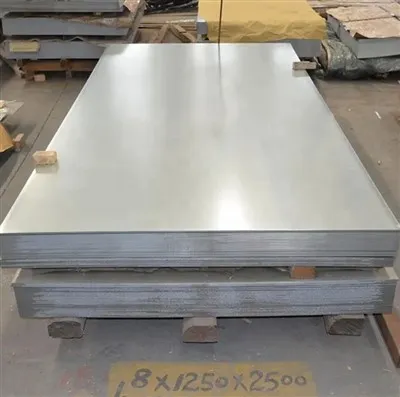
Hey there! I'm a supplier of steel plates, and I've seen firsthand the importance of efficient recycling in our industry. Recycling steel plates not only helps the environment but also makes good economic sense. In this blog, I'll share some tips on how to recycle steel plates efficiently.
Why Recycling Steel Plates Matters
First off, let's talk about why recycling steel plates is such a big deal. Steel is one of the most recycled materials in the world, and for good reason. Recycling steel reduces the need for virgin materials, which in turn conserves natural resources. It also cuts down on energy consumption and greenhouse gas emissions associated with steel production.
When we recycle steel plates, we're basically giving them a new lease on life. Instead of ending up in a landfill, these plates can be melted down and turned into new products. This process is much more energy - efficient than producing steel from raw materials. For example, recycling steel saves about 75% of the energy needed to make new steel from iron ore.
Step 1: Collection and Sorting
The first step in efficient steel plate recycling is collecting and sorting the plates. As a steel plate supplier, I know that different types of steel plates have different compositions and properties. That's why sorting is crucial.
- Collecting: You need to gather all the steel plates that are no longer in use. This could be from construction sites, manufacturing plants, or even old buildings that are being demolished. Make sure to have a proper storage area for the collected plates to keep them organized.
- Sorting: Sort the steel plates based on their type and grade. For instance, Astm A36 Carbon Steel Plate is a common type of carbon steel plate. It has different properties compared to Ss400 Plate or S355Jr Steel Plate. By sorting them, you can ensure that each type of steel is recycled in the most appropriate way.
Step 2: Cleaning the Steel Plates
Once the plates are sorted, the next step is cleaning them. Steel plates can accumulate dirt, grease, paint, and other contaminants over time. These contaminants can affect the quality of the recycled steel, so it's important to remove them.
- Mechanical Cleaning: You can use methods like sandblasting or shot - peening to remove rust, paint, and other surface contaminants. These methods involve propelling abrasive materials at high speeds to clean the surface of the steel plates.
- Chemical Cleaning: In some cases, chemical cleaning agents can be used to remove grease and other stubborn contaminants. However, you need to be careful when using chemicals as they can be harmful to the environment if not disposed of properly.
Step 3: Shredding and Melting
After cleaning, the steel plates are ready for shredding and melting.
- Shredding: Shredding the steel plates into smaller pieces makes them easier to handle and melt. Shredders use powerful blades to cut the plates into small fragments. The size of the shredded pieces can vary depending on the requirements of the melting process.
- Melting: The shredded steel pieces are then melted in a furnace. There are different types of furnaces used for melting steel, such as electric arc furnaces (EAF) and basic oxygen furnaces (BOF). EAFs are more commonly used for recycling steel because they are more energy - efficient and can handle a wider range of steel scrap.
Step 4: Quality Control
Once the steel is melted, quality control is essential. The recycled steel needs to meet certain standards and specifications.
- Testing: Samples of the melted steel are taken and tested for various properties such as chemical composition, strength, and hardness. This ensures that the recycled steel is of high quality and can be used in different applications.
- Adjusting: If the test results show that the recycled steel does not meet the required standards, adjustments can be made. For example, additional elements can be added to the molten steel to adjust its chemical composition.
Step 5: Re - manufacturing
After passing the quality control tests, the recycled steel can be re - manufactured into new steel plates or other steel products.
- Rolling: The molten steel is first cast into slabs or billets. These are then rolled into steel plates of different thicknesses and sizes. The rolling process gives the steel plates their final shape and properties.
- Finishing: The re - manufactured steel plates may undergo additional finishing processes such as heat treatment, coating, or machining to improve their appearance and performance.
Tips for Efficient Recycling
Here are some additional tips to make the steel plate recycling process even more efficient:

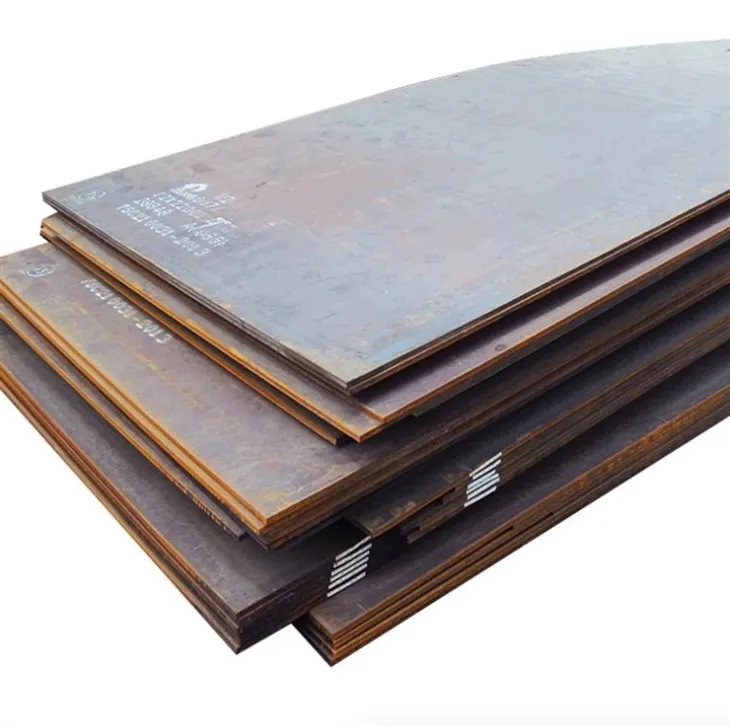
- Work with a Reputable Recycler: Partnering with a reliable and experienced recycler can make a big difference. They have the necessary equipment and expertise to handle the recycling process effectively.
- Optimize Storage: Make sure to store the steel plates in a way that minimizes damage and corrosion. This can help maintain the quality of the plates until they are recycled.
- Educate Your Employees: If you're running a business that deals with steel plates, educate your employees about the importance of recycling and the proper procedures for handling and recycling steel plates.
Conclusion
Efficiently recycling steel plates is a win - win situation. It helps protect the environment, conserve resources, and save energy. As a steel plate supplier, I'm committed to promoting sustainable practices in our industry. If you're interested in purchasing high - quality steel plates or have any questions about steel plate recycling, feel free to reach out. Let's work together to make our industry more sustainable!
References
- American Iron and Steel Institute. (2023). The Benefits of Recycling Steel.
- World Steel Association. (2023). Steel Recycling Facts and Figures.