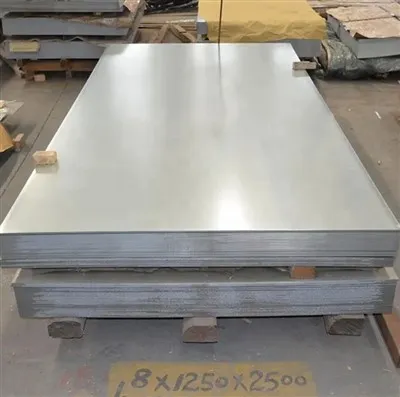
A36 angle bar is a popular choice in construction and manufacturing due to its high strength and good weldability. As a trusted A36 angle bar supplier, we understand the importance of knowing how to cut this material properly. In this blog post, we'll explore various methods of cutting A36 angle bar, their advantages, and the precautions you need to take.
Understanding A36 Angle Bar
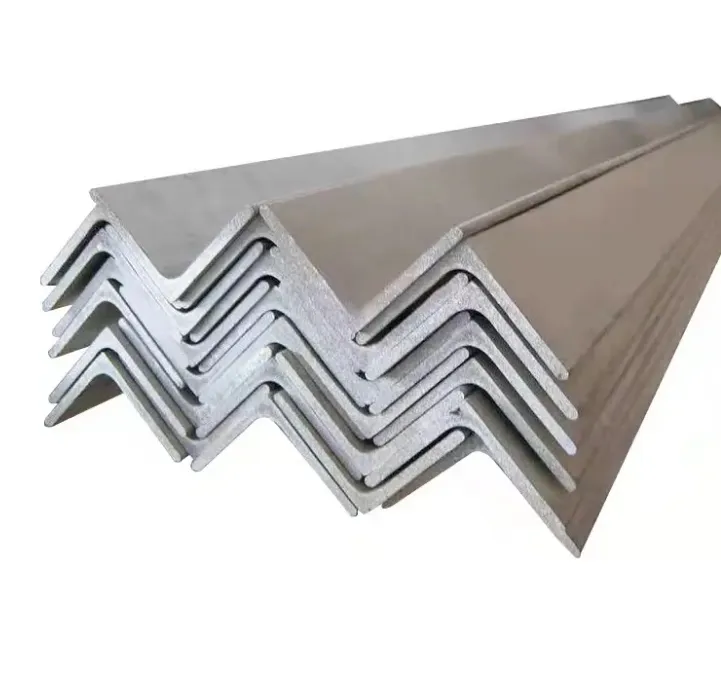
Before we delve into the cutting methods, let's briefly understand what A36 angle bar is. A36 is a low - carbon steel grade that is widely used in structural applications. Angle bars, also known as angle irons, have an L - shaped cross - section. They are available in different sizes and thicknesses, making them suitable for a variety of projects, from building frames to support structures.
If you're interested in other types of angle bars, you can check out our Alloy Angle Bar, Equal Angle Bar, and Galvanised Angle Bar options.
Cutting Methods for A36 Angle Bar
1. Sawing
Sawing is one of the most common and straightforward methods for cutting A36 angle bar. There are two main types of saws used:
- Band Saw: A band saw is a versatile tool that uses a continuous band of toothed metal to cut through the material. It offers precise cuts and is suitable for both small - scale and large - scale operations. The blade speed can be adjusted according to the thickness of the angle bar. For A36 angle bar, a medium - speed blade is usually recommended. The advantage of using a band saw is that it produces a relatively smooth cut surface, reducing the need for additional finishing work.
- Circular Saw: A circular saw with a metal - cutting blade can also be used to cut A36 angle bar. Circular saws are more portable compared to band saws, making them a good choice for on - site cutting. However, they may not provide as smooth a cut as a band saw. When using a circular saw, it's important to ensure that the blade is sharp and the cutting speed is appropriate. A slow cutting speed can cause the blade to overheat, while a too - fast speed may result in a rough cut.
2. Abrasive Cutting
Abrasive cutting involves using an abrasive wheel to cut through the A36 angle bar. This method is fast and can handle thick angle bars. An abrasive cutting saw, also known as a cutoff saw, spins an abrasive disc at high speed, grinding through the steel. The main advantage of abrasive cutting is its speed. It can quickly make a cut, especially for thick materials. However, abrasive cutting produces a lot of heat and sparks, which means proper safety precautions need to be taken. Also, the cut surface may be rough and require some grinding or finishing to make it smooth.

3. Plasma Cutting
Plasma cutting is a more advanced method suitable for precise and complex cuts. It works by creating a high - velocity jet of ionized gas (plasma) that melts and blows away the metal. Plasma cutting machines can be controlled digitally, allowing for accurate cuts with minimal waste. This method is ideal for cutting A36 angle bar into custom shapes or sizes. However, plasma cutting equipment is relatively expensive, and it requires proper training to operate safely and effectively.
4. Oxy - Fuel Cutting
Oxy - fuel cutting, also known as flame cutting, uses a combination of oxygen and a fuel gas (such as acetylene) to heat and then cut through the A36 angle bar. The heat from the flame raises the temperature of the steel to its ignition point, and then a high - pressure stream of oxygen is used to blow away the molten metal. This method is suitable for thick angle bars and is often used in large - scale fabrication projects. However, it requires careful adjustment of the oxygen and fuel gas flow rates to ensure a clean and accurate cut.
Precautions for Cutting A36 Angle Bar
Regardless of the cutting method you choose, certain precautions must be taken:
- Safety Gear: Always wear appropriate safety gear, including safety glasses, gloves, and ear protection. Abrasive cutting and plasma cutting generate a lot of noise and sparks, so additional protection such as a face shield and fire - resistant clothing may be necessary.
- Ventilation: Some cutting methods, such as oxy - fuel cutting and plasma cutting, produce fumes that can be harmful if inhaled. Ensure that the cutting area is well - ventilated, or use a fume extraction system.
- Workpiece Stability: Make sure the A36 angle bar is securely clamped before cutting. An unstable workpiece can lead to inaccurate cuts and pose a safety hazard.
- Blade or Tool Maintenance: Keep your cutting blades or tools sharp and in good condition. Dull blades can cause uneven cuts, overheating, and may even damage the workpiece.
Post - Cutting Considerations
After cutting the A36 angle bar, there are a few things you need to do:
- Deburring: The cut edges of the angle bar may be sharp and have burrs. Use a file or a deburring tool to remove these burrs to prevent injuries during handling and installation.
- Inspection: Check the cut for accuracy. Measure the dimensions of the cut piece to ensure it meets the required specifications. If there are any discrepancies, you may need to make additional cuts or adjustments.
Conclusion
Cutting A36 angle bar requires the right method, proper equipment, and strict adherence to safety precautions. Whether you choose sawing, abrasive cutting, plasma cutting, or oxy - fuel cutting, each method has its own advantages and is suitable for different situations. As a leading A36 angle bar supplier, we are committed to providing you with high - quality products and the knowledge you need to work with them effectively.
If you're in the market for A36 angle bar or have any questions about cutting or using it, we're here to help. Contact us for more information and to start a procurement discussion tailored to your specific needs.
References
- "Steel Construction Manual", American Institute of Steel Construction
- "Welding and Cutting Handbook", Lincoln Electric