Hey there! As an angle bar supplier, I often get asked about how to measure an angle bar. It might seem like a simple task, but there are a few key things you need to know to get accurate measurements. In this blog post, I'll walk you through the process step by step.
Why Measuring Angle Bars is Important
First off, let's talk about why measuring angle bars is so important. Whether you're using them in construction, manufacturing, or DIY projects, having the right measurements ensures a proper fit and a successful outcome. Incorrect measurements can lead to parts not fitting together correctly, which can compromise the integrity of your project.

Tools You'll Need
Before you start measuring, you'll need a few tools. The most basic tool is a tape measure. A good quality tape measure with clear markings is essential. You might also want to use a combination square. This tool is great for measuring angles and making sure they're 90 degrees (a right angle), which is common in many angle bar applications. A caliper can also be useful, especially if you need to measure the thickness of the angle bar precisely.
Measuring the Length
The first measurement you'll want to take is the length of the angle bar. This is pretty straightforward. Just extend your tape measure along the longest side of the angle bar from one end to the other. Make sure the tape measure is straight and not kinked or bent. Read the measurement at the end of the bar. Write down this measurement clearly, as you'll need it for your project.
Measuring the Legs
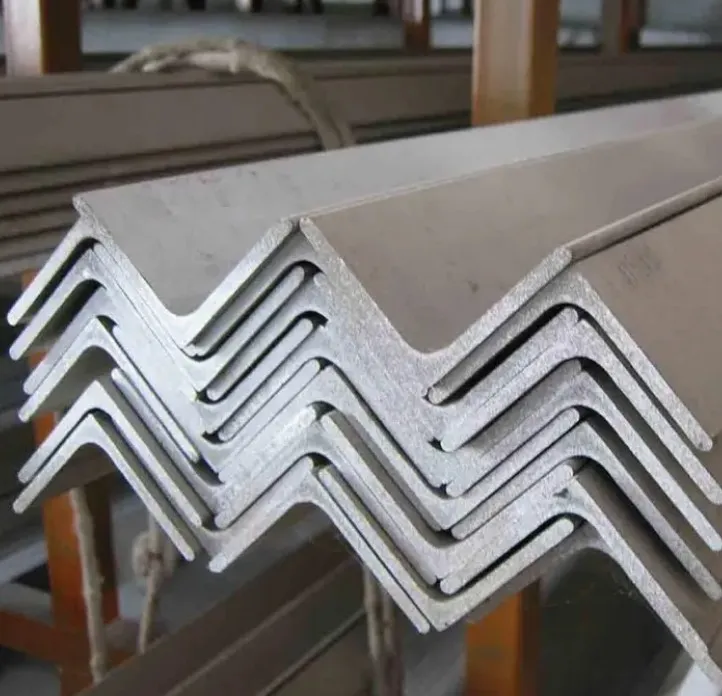
Angle bars have two legs that form the angle. You'll need to measure the length of each leg. Place your tape measure along one leg, starting from the corner where the two legs meet and extending to the end of the leg. Do the same for the other leg. It's important to measure each leg separately because they might not be the same length, depending on the specific angle bar you're using.
Measuring the Thickness
To measure the thickness of the angle bar, you can use a caliper. Open the caliper jaws and place them around the thickness of one of the legs. Gently close the jaws until they touch the two sides of the leg. Read the measurement on the caliper. This measurement is crucial, especially if you're working on a project where the strength and durability of the angle bar are important.
Measuring the Angle
Now, let's talk about measuring the angle itself. If you're dealing with a standard 90-degree angle bar, you can use a combination square to check the angle. Place the square against the corner of the angle bar. If the edges of the square line up perfectly with the two legs of the angle bar, then the angle is 90 degrees. However, if you need to measure an angle that's not 90 degrees, things get a bit more complicated. You can use a protractor for this. Place the center of the protractor on the corner of the angle bar and align one of the protractor's lines with one of the legs. Read the measurement where the other leg crosses the protractor's scale.
Different Types of Angle Bars
There are different types of angle bars available in the market, and each might have specific measurement requirements. For example, Perforated Angle Bar has holes in it, and you might need to measure the size and spacing of these holes. Galvanized Steel Angle Bar is coated with zinc for corrosion resistance, but the basic measurement principles remain the same. And Alloy Angle Bar is made from different alloys, which can affect its strength and other properties, but the measurement process is still similar.
Tips for Accurate Measurements
Here are some tips to help you get accurate measurements:
- Make sure your tools are in good condition. A worn-out tape measure or a damaged caliper can give you inaccurate readings.
- Take your time. Rushing through the measurement process can lead to mistakes.
- Double-check your measurements. It's always a good idea to measure twice to make sure you have the right numbers.
- If you're measuring multiple angle bars, label each one clearly to avoid confusion.
Conclusion
Measuring an angle bar is an important skill, whether you're a professional in the construction or manufacturing industry or a DIY enthusiast. By following the steps I've outlined in this blog post and using the right tools, you can ensure that you get accurate measurements every time.
If you're in the market for angle bars and need more information or want to discuss your specific requirements, feel free to reach out. We're here to help you find the perfect angle bars for your project.
References
- "Handbook of Measuring Tools and Techniques"
- "Construction Materials and Their Properties"