Maintaining a right angle bar is crucial for ensuring its longevity, performance, and safety. As a supplier of Right Angle Bar, I understand the significance of proper maintenance. In this blog, I'll share some essential tips and techniques on how to maintain right angle bars effectively.
Understanding the Basics of Right Angle Bars
Before delving into maintenance, it's important to understand what right angle bars are and their common applications. Right angle bars, also known as angle irons, are L - shaped structural steel products. They are widely used in construction, manufacturing, and DIY projects for providing support, framing, and reinforcement. Their versatility makes them a staple in various industries.
Inspection and Cleaning
Regular Inspections
Frequent inspections are the first step in maintaining right angle bars. Check for any signs of damage, such as cracks, dents, or corrosion. Pay special attention to areas where the bar is welded or bolted, as these are often stress - concentrated points. Inspect the angles to ensure they remain at a perfect 90 - degree angle, as any deviation can affect the structural integrity of the entire system.
Cleaning
Cleaning right angle bars is essential to prevent the buildup of dirt, debris, and contaminants. Use a mild detergent and water solution to clean the surface. For stubborn stains or rust, a wire brush can be used gently to remove the unwanted substances. After cleaning, rinse the bar thoroughly with clean water and dry it completely to prevent water - induced corrosion.
Corrosion Prevention
Galvanized Protection
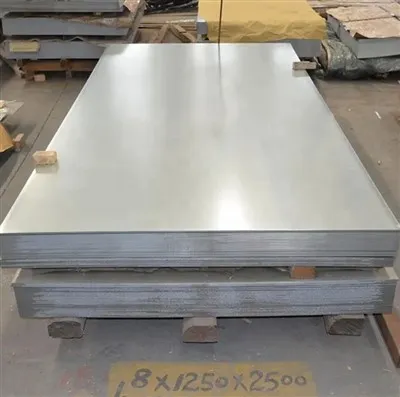
One of the most effective ways to prevent corrosion in right angle bars is to choose Galvanized Steel Angle Bar. Galvanization is a process where a protective zinc coating is applied to the steel surface. This coating acts as a barrier, preventing oxygen and moisture from reaching the steel and causing rust. Galvanized angle bars are suitable for outdoor applications or environments with high humidity.


Paint Coating
Another option for corrosion prevention is applying a paint coating. First, make sure the surface of the right angle bar is clean and dry. Then, choose a high - quality paint that is suitable for metal surfaces. Apply at least two coats of paint, allowing sufficient drying time between each coat. Paint can not only protect the bar from corrosion but also enhance its aesthetic appearance.
Proper Storage
Dry Environment
When storing right angle bars, it's essential to keep them in a dry environment. Moisture is one of the main causes of corrosion, so avoid storing the bars in areas prone to water leakage or high humidity, such as basements or near open water sources. If possible, store the bars indoors or in a covered storage area.
Elevated Storage
To prevent contact with moisture on the ground, store right angle bars on elevated platforms or racks. This allows air to circulate around the bars, reducing the risk of moisture accumulation. Additionally, make sure the storage area is well - ventilated to keep the air dry.
Handling and Installation
Careful Handling
During handling, be careful not to drop or impact the right angle bars. Rough handling can cause dents, cracks, or deformations, which can compromise the bar's strength and integrity. Use appropriate lifting equipment, such as cranes or forklifts, and ensure that the bars are properly secured during transportation.
Correct Installation
Proper installation is crucial for the long - term performance of right angle bars. Follow the manufacturer's installation instructions carefully. Make sure the bars are aligned correctly and securely fastened using the appropriate bolts, nuts, or welding techniques. Incorrect installation can lead to uneven stress distribution, which may cause premature failure of the bars.
Maintenance of Specific Types of Right Angle Bars
A36 Angle Bar
A36 Angle Bar is a common type of carbon steel angle bar. It has good strength and formability. When maintaining A36 angle bars, the same principles of inspection, cleaning, and corrosion prevention apply. However, due to its carbon steel composition, it may be more prone to rust compared to galvanized bars. Therefore, regular inspections and timely application of anti - rust coatings are especially important.
Monitoring and Record - Keeping
Regular Monitoring
Establish a regular monitoring schedule for the right angle bars. This can involve periodic inspections, measurements of key parameters such as angle and thickness, and checks for any changes in the bar's condition. By monitoring the bars over time, you can detect any potential problems early and take appropriate measures to address them.
Record - Keeping
Keep detailed records of all maintenance activities, including inspection dates, cleaning procedures, and any repairs or replacements. These records can help you track the history of the right angle bars, identify trends in their condition, and plan for future maintenance. They can also be useful for warranty claims or compliance with industry regulations.
Conclusion
Maintaining right angle bars is a multi - faceted process that requires attention to detail, proper handling, and regular upkeep. By following the tips and techniques outlined in this blog, you can ensure that your right angle bars remain in good condition, perform effectively, and have a long service life.
If you're in the market for high - quality right angle bars or need more information on their maintenance, don't hesitate to reach out to us. We're here to assist you with all your right angle bar needs and can provide professional advice and support. Whether you're a large - scale construction company or a DIY enthusiast, we have the right products for you. Contact us today to start a procurement discussion and find the perfect right angle bars for your project.
References
- "Steel Structures: Design and Behavior" by Salmon and Johnson
- Industry standards and guidelines for steel products maintenance