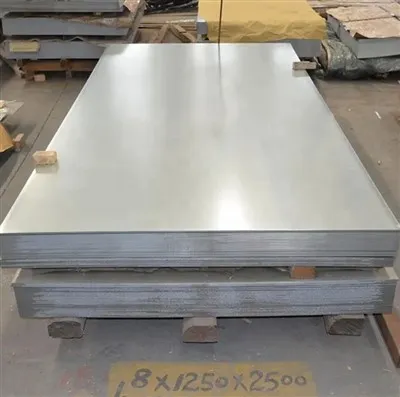
Hey there! As a carbon steel pipe supplier, I've seen firsthand how important a good surface finish is for these pipes. A smooth and clean surface not only enhances the appearance of the pipes but also improves their performance and longevity. In this blog post, I'm gonna share some tips on how to improve the surface finish of carbon steel pipes.
Understanding the Basics of Surface Finish
Before we dive into the methods of improving the surface finish, let's first understand what surface finish means. Surface finish refers to the texture and quality of the surface of a material. It's usually measured in terms of roughness, waviness, and lay. Roughness is the microscopic irregularities on the surface, while waviness is the larger, more gradual deviations. Lay refers to the direction of the surface pattern.
For carbon steel pipes, a good surface finish is important for several reasons. First, it reduces friction, which can improve the flow of fluids through the pipes. Second, it prevents corrosion by providing a smooth surface that's less likely to trap moisture and contaminants. Third, it enhances the aesthetic appeal of the pipes, which is especially important for applications where the pipes are visible.
Common Surface Finish Problems in Carbon Steel Pipes
There are several common surface finish problems that can occur in carbon steel pipes. These include:
- Rust and Corrosion: Carbon steel is prone to rust and corrosion, especially when exposed to moisture and oxygen. Rust can cause the surface of the pipes to become rough and pitted, which can reduce their performance and lifespan.
- Scale and Oxide Layers: During the manufacturing process, carbon steel pipes can develop scale and oxide layers on their surface. These layers can make the surface rough and uneven, and they can also interfere with the adhesion of coatings and paints.
- Scratches and Dents: Handling and transportation can cause scratches and dents on the surface of the pipes. These imperfections can not only affect the appearance of the pipes but also create stress concentrations that can lead to cracking and failure.
Methods to Improve Surface Finish
Now that we've identified the common surface finish problems, let's take a look at some methods to improve the surface finish of carbon steel pipes.
1. Mechanical Cleaning
Mechanical cleaning is one of the most common methods used to improve the surface finish of carbon steel pipes. This method involves using abrasive materials to remove rust, scale, and other contaminants from the surface of the pipes. Some common mechanical cleaning methods include:
- Shot Blasting: Shot blasting is a process in which small steel shots are propelled at high speed onto the surface of the pipes. The impact of the shots removes rust, scale, and other contaminants, leaving a clean and smooth surface. Shot blasting is a fast and effective method for cleaning large quantities of pipes.
- Grinding and Sanding: Grinding and sanding are manual or machine-assisted processes that use abrasive wheels or belts to remove surface imperfections. These methods are suitable for removing small scratches and dents, as well as for smoothing rough surfaces.
2. Chemical Cleaning
Chemical cleaning is another effective method for improving the surface finish of carbon steel pipes. This method involves using chemicals to dissolve rust, scale, and other contaminants from the surface of the pipes. Some common chemical cleaning methods include:


- Pickling: Pickling is a process in which the pipes are immersed in a solution of acid, such as hydrochloric acid or sulfuric acid. The acid reacts with the rust and scale on the surface of the pipes, dissolving them and leaving a clean surface. Pickling is a common method for removing heavy rust and scale from carbon steel pipes.
- Passivation: Passivation is a process in which the pipes are treated with a chemical solution to form a protective oxide layer on the surface. This layer helps to prevent further corrosion and improves the surface finish of the pipes. Passivation is often used after pickling to protect the clean surface of the pipes.
3. Coating and Painting
Coating and painting are effective ways to improve the surface finish of carbon steel pipes and protect them from corrosion. There are several types of coatings and paints available, each with its own advantages and disadvantages. Some common types of coatings and paints include:
- Epoxy Coatings: Epoxy coatings are a popular choice for carbon steel pipes because they provide excellent corrosion resistance and adhesion. Epoxy coatings can be applied in a variety of thicknesses and colors, and they can be used in both indoor and outdoor applications.
- Polyurethane Coatings: Polyurethane coatings are another type of coating that provides good corrosion resistance and durability. Polyurethane coatings are often used in applications where the pipes are exposed to harsh environments, such as chemical plants and offshore platforms.
- Zinc Coatings: Zinc coatings, such as galvanizing, are a common method for protecting carbon steel pipes from corrosion. Zinc coatings work by providing a sacrificial layer that corrodes instead of the steel. Galvanizing is a popular method for coating carbon steel pipes because it provides long-lasting protection and is relatively inexpensive.
Importance of Quality Control
Improving the surface finish of carbon steel pipes is not just about using the right methods and materials. It's also important to have a quality control system in place to ensure that the pipes meet the required standards. Quality control involves inspecting the pipes at various stages of the manufacturing process to identify and correct any surface finish problems.
Some common quality control methods for surface finish include:
- Visual Inspection: Visual inspection is the most basic method of quality control. It involves visually examining the surface of the pipes for any obvious defects, such as scratches, dents, and rust.
- Surface Roughness Measurement: Surface roughness measurement is a more precise method of quality control. It involves using a surface roughness tester to measure the roughness of the surface of the pipes. The results of the measurement can be used to determine whether the pipes meet the required surface finish standards.
- Coating Thickness Measurement: Coating thickness measurement is important for ensuring that the coatings and paints applied to the pipes are of the correct thickness. Coating thickness can be measured using a variety of methods, such as magnetic induction and ultrasonic testing.
Conclusion
Improving the surface finish of carbon steel pipes is essential for enhancing their performance, longevity, and aesthetic appeal. By using the right methods and materials, and by implementing a quality control system, you can ensure that your carbon steel pipes have a smooth, clean, and corrosion-resistant surface.
If you're in the market for high-quality carbon steel pipes with excellent surface finish, look no further. We're a leading Carbon Steel Pipe Supplier, offering a wide range of products including Astm A500 Tube, A53 Erw Pipe, and Low Carbon Steel Pipe. Our pipes are manufactured to the highest standards and undergo rigorous quality control to ensure they meet your requirements.
Whether you're working on a small DIY project or a large industrial application, we've got the right carbon steel pipes for you. Contact us today to discuss your needs and get a quote. We're here to help you find the best solutions for your projects.
References
- ASM Handbook, Volume 5: Surface Engineering, ASM International
- Corrosion Resistance of Carbon Steel Pipes, NACE International
- Standards for Surface Finish of Carbon Steel Pipes, ASTM International