As a supplier of A36 Angle Bar, I understand the importance of corrosion resistance in ensuring the longevity and performance of our products. Corrosion can significantly reduce the structural integrity of angle bars, leading to safety concerns and increased maintenance costs. In this blog post, I will share some effective strategies to improve the corrosion resistance of A36 Angle Bar, based on industry best practices and our own experience.
Understanding A36 Angle Bar
Before delving into corrosion resistance strategies, it's essential to understand what A36 Angle Bar is. A36 is a widely used mild carbon steel grade known for its excellent weldability, formability, and strength. It conforms to the ASTM A36 standard, which specifies the chemical and mechanical properties of the steel. A36 Angle Bar is commonly used in construction, manufacturing, and various structural applications due to its versatility and cost-effectiveness.
Factors Affecting Corrosion of A36 Angle Bar
Corrosion is a natural process that occurs when metal reacts with its environment. Several factors can influence the corrosion rate of A36 Angle Bar, including:
- Environmental Conditions: Exposure to moisture, humidity, saltwater, and chemicals can accelerate corrosion. Coastal areas, industrial environments, and regions with high pollution levels are particularly prone to corrosion.
- Surface Finish: A rough or damaged surface can provide more sites for corrosion to initiate. Imperfections such as scratches, dents, and pits can trap moisture and contaminants, promoting corrosion.
- Galvanic Corrosion: When A36 Angle Bar is in contact with a more noble metal (such as stainless steel or copper) in the presence of an electrolyte, galvanic corrosion can occur. The less noble metal (A36 steel) will corrode preferentially.
- Stress and Strain: Mechanical stress and strain can increase the susceptibility of A36 Angle Bar to corrosion. Welding, bending, and other forming processes can introduce residual stresses that make the metal more vulnerable to corrosion.
Strategies to Improve Corrosion Resistance
Based on the factors mentioned above, here are some effective strategies to improve the corrosion resistance of A36 Angle Bar:
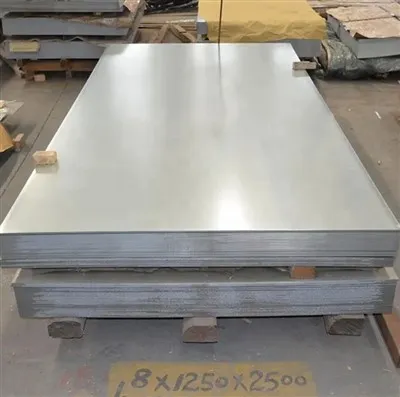
- Coating Applications: Applying a protective coating is one of the most common and effective ways to prevent corrosion. There are several types of coatings available, including paint, epoxy, and zinc-rich primers. These coatings act as a barrier between the metal surface and the environment, preventing moisture and oxygen from reaching the steel. Galvanized Steel Angle Bar is another popular option, where a layer of zinc is applied to the steel surface through a hot-dip galvanizing process. Zinc provides sacrificial protection, meaning it corrodes preferentially to the steel, protecting it from rust.
- Proper Surface Preparation: Before applying a coating, it's crucial to prepare the surface of the A36 Angle Bar properly. This involves cleaning the surface to remove dirt, grease, rust, and other contaminants. Sandblasting, wire brushing, or chemical cleaning methods can be used to achieve a clean and smooth surface. Proper surface preparation ensures good adhesion of the coating and enhances its corrosion protection performance.
- Alloying: Adding alloying elements to A36 steel can improve its corrosion resistance. Alloy Angle Bar contains elements such as chromium, nickel, and molybdenum, which form a passive oxide layer on the surface of the steel. This oxide layer acts as a protective barrier, preventing further corrosion. However, alloying can increase the cost of the angle bar, so it's important to consider the specific requirements of the application before choosing an alloy.
- Design Considerations: Proper design can also play a significant role in improving the corrosion resistance of A36 Angle Bar. Avoiding crevices, gaps, and areas where moisture can accumulate can help prevent corrosion. Designing the angle bar to allow for proper drainage and ventilation can also reduce the risk of corrosion. Additionally, using non-corrosive fasteners and avoiding direct contact with dissimilar metals can help prevent galvanic corrosion.
- Regular Maintenance: Regular inspection and maintenance are essential to ensure the long-term corrosion resistance of A36 Angle Bar. Inspecting the angle bar for signs of corrosion, such as rust spots or discoloration, and taking prompt action to repair or replace damaged areas can prevent further corrosion. Cleaning the surface of the angle bar periodically to remove dirt and debris can also help maintain its corrosion resistance.
Case Studies
To illustrate the effectiveness of these strategies, let's look at some real-world case studies:
- Case Study 1: Coastal Construction Project
In a coastal construction project, A36 Angle Bar was used for the structural framework of a building. To protect the angle bar from the corrosive effects of saltwater and high humidity, the angle bar was hot-dip galvanized before installation. Additionally, a high-quality epoxy coating was applied to the galvanized surface for added protection. After several years of exposure to the coastal environment, the angle bar showed minimal signs of corrosion, demonstrating the effectiveness of the combined coating system. - Case Study 2: Industrial Application
In an industrial application, A36 Angle Bar was used in a chemical processing plant. The angle bar was exposed to various chemicals and harsh environmental conditions, which posed a significant risk of corrosion. To improve the corrosion resistance of the angle bar, an alloy angle bar containing chromium and nickel was selected. The alloy angle bar was also coated with a chemical-resistant epoxy coating. After continuous use in the industrial environment, the angle bar maintained its structural integrity and showed no signs of corrosion, highlighting the importance of alloying and coating in corrosive environments.
Conclusion
Improving the corrosion resistance of A36 Angle Bar is crucial for ensuring its long-term performance and reliability. By understanding the factors that affect corrosion and implementing the strategies discussed in this blog post, you can effectively protect your A36 Angle Bar from corrosion and extend its service life. Whether you choose to apply a protective coating, use alloy angle bar, or implement proper design and maintenance practices, it's important to consider the specific requirements of your application and consult with a corrosion expert if necessary.


If you're interested in purchasing high-quality A36 Angle Bar with enhanced corrosion resistance, please feel free to contact us for more information. We offer a wide range of A36 Angle Bar products and can provide customized solutions to meet your specific needs. Let's work together to ensure the success of your projects with corrosion-resistant A36 Angle Bar.
References
- ASTM International. ASTM A36/A36M - 19 Standard Specification for Carbon Structural Steel. West Conshohocken, PA: ASTM International, 2019.
- Fontana, M. G. Corrosion Engineering. 3rd ed. New York: McGraw-Hill, 1986.
- Uhlig, H. H., and Revie, R. W. Corrosion and Corrosion Control: An Introduction to Corrosion Science and Engineering. 3rd ed. New York: Wiley, 1985.