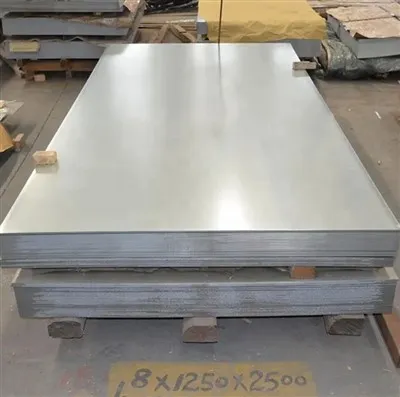
Designing a structure using angle bar beams is a task that requires a combination of technical knowledge, creativity, and practical experience. As a supplier of a wide range of angle bar beams, I've witnessed firsthand how these versatile components can transform various construction and engineering projects. In this blog post, I'll share key insights on how to design a structure using angle bar beams, highlighting the types of angle bars available and the steps involved in the design process.
Understanding Angle Bar Beams
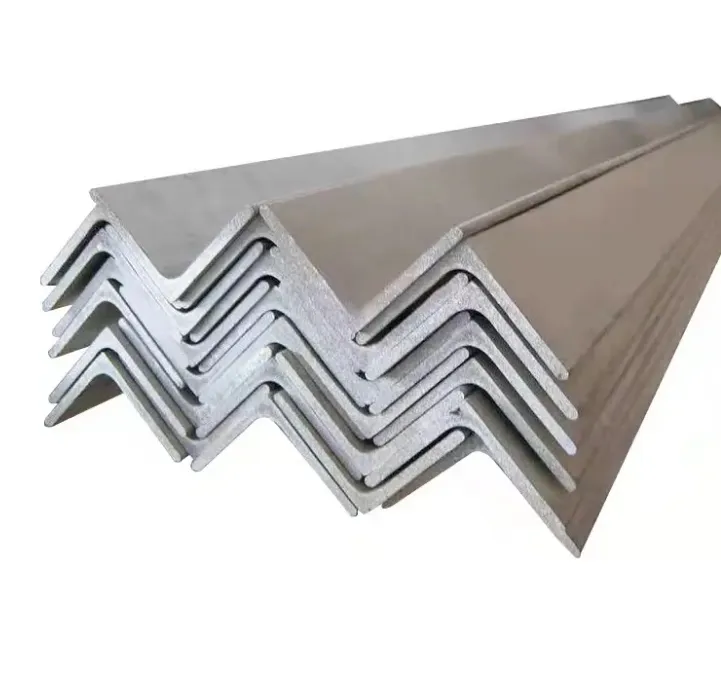
Angle bar beams, also known as angle irons, are L-shaped structural members. They are widely used in construction, manufacturing, and engineering due to their strength, versatility, and cost - effectiveness. Angle bars can be made from different materials, including steel, aluminum, and stainless steel, each offering unique properties suitable for specific applications.
There are several types of angle bar beams that you can choose from, depending on your project requirements.
- Equal Angle Bar: These have equal leg lengths, providing uniform strength in both directions. They are commonly used in applications where symmetry and balanced load distribution are essential. You can find a variety of equal angle bars on our website at Equal Angle Bar.
- Perforated Angle Bar: Perforated angle bars have holes punched through their surface. These holes can be used for various purposes, such as cable routing, ventilation, or to reduce weight. Explore our selection of perforated angle bars at Perforated Angle Bar.
- Galvanised Angle Bar: Galvanised angle bars are coated with a layer of zinc to protect them from corrosion. This makes them ideal for outdoor applications or environments where the angle bars will be exposed to moisture. Check out our galvanised angle bars at Galvanised Angle Bar.
Step 1: Define the Project Requirements
The first step in designing a structure using angle bar beams is to clearly define the project requirements. This includes understanding the purpose of the structure, the load it will need to support, the environmental conditions it will be exposed to, and any specific design constraints.
For example, if you're designing a shelving unit, you need to determine the weight of the items it will hold, the height and width of the shelves, and whether it will be used indoors or outdoors. If it's an outdoor structure, you may need to consider factors such as wind loads, snow loads, and corrosion resistance.
Step 2: Select the Right Angle Bar
Once you have a clear understanding of the project requirements, you can select the appropriate angle bar beam. Consider the following factors when making your selection:
- Material: As mentioned earlier, different materials offer different properties. Steel angle bars are strong and durable, making them suitable for heavy - load applications. Aluminum angle bars are lightweight and corrosion - resistant, ideal for applications where weight is a concern. Stainless steel angle bars offer excellent corrosion resistance and are often used in food processing or marine environments.
- Size and Shape: The size and shape of the angle bar will depend on the load requirements and the design of the structure. You need to choose an angle bar with the right leg lengths and thickness to ensure it can support the expected loads.
- Finish: The finish of the angle bar can also affect its performance. A painted finish can provide additional protection against corrosion, while a galvanised finish is more suitable for long - term outdoor use.
Step 3: Perform Structural Analysis
Before finalizing the design, it's crucial to perform a structural analysis to ensure the angle bar beams can safely support the loads. This involves calculating the stresses and deflections in the angle bars under different loading conditions.
You can use various methods for structural analysis, including hand calculations, computer - aided design (CAD) software, or finite element analysis (FEA) programs. Hand calculations are suitable for simple structures, while CAD and FEA software can handle more complex designs and provide more accurate results.
Step 4: Design the Connection Details
The connection details between the angle bar beams are critical for the overall stability and performance of the structure. There are several ways to connect angle bars, including welding, bolting, and riveting.
- Welding: Welding provides a strong and permanent connection between the angle bars. It is suitable for applications where high strength is required. However, welding requires skilled labor and proper equipment, and it can also introduce residual stresses in the structure.
- Bolting: Bolting is a more flexible and reversible method of connection. It allows for easy assembly and disassembly, making it suitable for structures that may need to be modified or relocated in the future. However, the strength of the bolted connection depends on the size and type of bolts used, as well as the quality of the installation.
- Riveting: Riveting was once a popular method of connection, but it has become less common in recent years. Riveted connections are strong and reliable, but they require specialized tools and skills for installation.
Step 5: Create the Detailed Design
Based on the results of the structural analysis and the connection details, you can create a detailed design of the structure. This includes drawing the layout of the angle bar beams, specifying the dimensions and materials, and providing detailed instructions for fabrication and installation.
Use CAD software to create accurate and detailed drawings. These drawings should include all the necessary information, such as the location of the angle bars, the size and type of connections, and any other relevant details.
Step 6: Fabrication and Installation
Once the detailed design is complete, you can proceed with the fabrication and installation of the structure. During the fabrication process, ensure that the angle bar beams are cut, bent, and welded (if applicable) to the correct dimensions and specifications.
During installation, follow the design drawings and use proper installation techniques to ensure the structure is assembled correctly. Check for proper alignment and connection of the angle bars, and make any necessary adjustments to ensure the overall stability of the structure.
Step 7: Quality Control and Inspection
After the structure is installed, it's important to perform a quality control inspection to ensure it meets the design requirements and safety standards. Check for any signs of damage, misalignment, or improper connections.

Test the structure under normal operating conditions to verify its performance. If any issues are identified, take corrective actions immediately to ensure the long - term safety and reliability of the structure.
Conclusion
Designing a structure using angle bar beams is a complex but rewarding process. By following the steps outlined in this blog post, you can ensure that your design is safe, efficient, and meets the project requirements. As a supplier of angle bar beams, we are committed to providing high - quality products and technical support to help you with your projects.
If you're interested in purchasing angle bar beams for your next project or need further advice on designing a structure, we encourage you to contact us for a detailed discussion. Our team of experts is ready to assist you in finding the right solutions for your specific needs.
References
- "Structural Steel Design" by William T. Segui
- "Design of Steel Structures" by S. K. Duggal
- Various industry standards and codes related to structural design and construction.