Hey there! As an H Beam supplier, I often get asked about how to connect two H Beams together. It's a crucial part of many construction and engineering projects, and getting it right is super important. So, let's dive into the details and explore the different methods and considerations for joining these sturdy beams.
Understanding H Beams
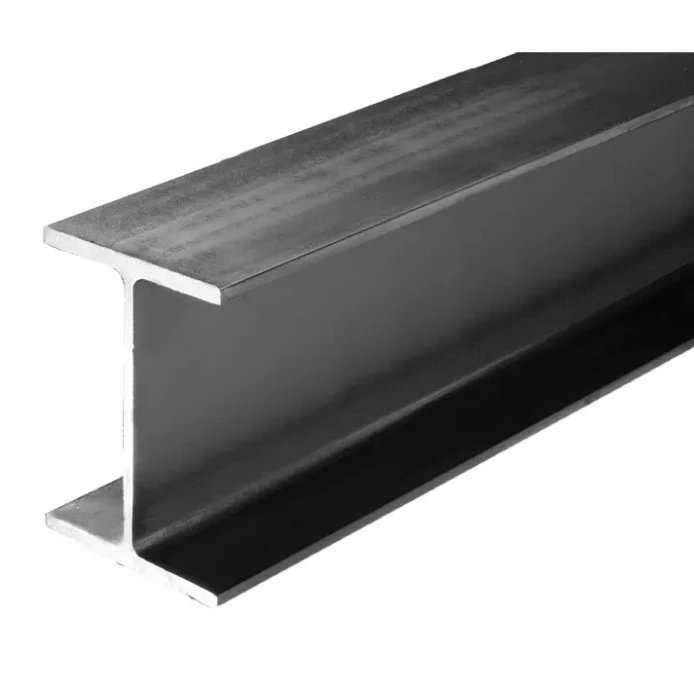
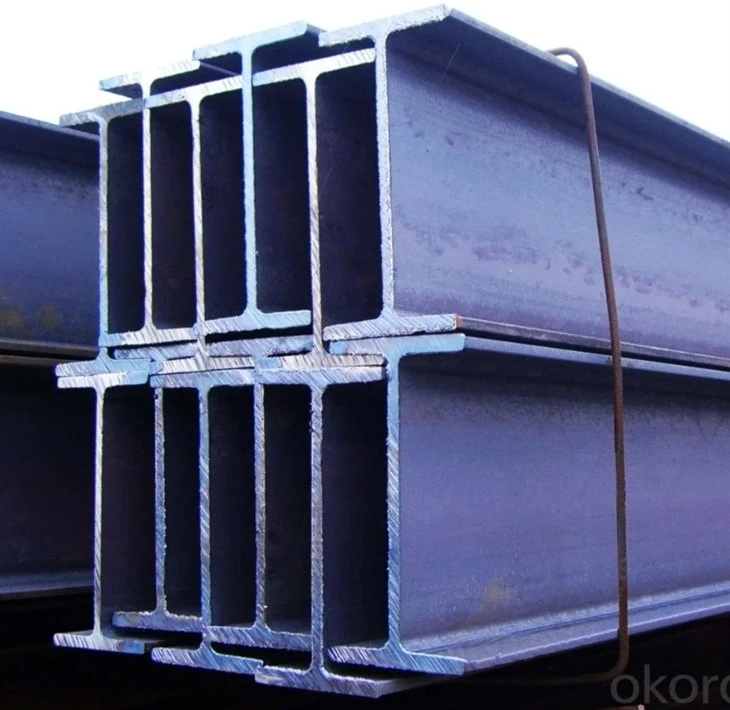
First off, if you're not too familiar with H Beams, they're named for their cross - section shape that resembles the letter "H". They're widely used in construction because of their high strength - to - weight ratio, which makes them great for supporting heavy loads over long spans. We offer a variety of H Beams, like the H Beam 300 X 300 and the He 160 A Beam, each designed to meet different project requirements.
Why Connect H Beams?
There are a few reasons you might want to connect two H Beams. Maybe your project requires a longer beam than the standard lengths available. Or perhaps you're building a complex structure where you need to join beams at different angles. Whatever the reason, the connection method you choose will depend on factors like the load the beam will carry, the type of structure, and the environmental conditions.
Methods of Connecting H Beams
Welding
Welding is one of the most common and reliable ways to connect H Beams. It creates a strong, permanent bond between the beams. When welding H Beams, the key is to ensure proper alignment and penetration. You should use electrodes that are compatible with the beam's material.
Before you start welding, make sure the surfaces to be welded are clean and free of rust, paint, or any contaminants. This helps ensure a good weld. You'll also need to set up the welding equipment correctly and follow all safety procedures. Once the beams are aligned, the welder will create a series of welds along the edges of the beams. The quality of the weld is crucial, as a poor - quality weld can compromise the structural integrity of the connection.
One advantage of welding is that it provides a continuous connection, which can handle high loads. However, it requires skilled welders and proper equipment. Also, welding can cause distortion in the beams if not done correctly, so you need to be careful.
Bolting
Bolting is another popular method for connecting H Beams. It's a more flexible option compared to welding because it allows for disassembly if needed. When using bolts, you'll need to drill holes in the beams at the appropriate locations. The size and number of bolts depend on the load the connection will bear.
You typically use high - strength bolts, which have a specific torque requirement. Using a torque wrench, you tighten the bolts to the recommended torque to ensure a secure connection. The bolts are usually placed in rows along the flanges and web of the H Beams.
One of the benefits of bolting is that it's faster and easier to install on - site compared to welding. It also doesn't require as much specialized equipment. However, the connection may not be as rigid as a welded connection, and you need to regularly check the bolts for tightness over time.
Using Mechanical Connectors
There are also various mechanical connectors available in the market. These connectors are designed to fit over the H Beams and provide a secure connection. They are pre - fabricated and can be quickly installed on - site.
Some mechanical connectors use a combination of bolts and plates to attach the beams. They are a good option when you need to make quick connections or when welding or bolting is not feasible. However, like bolting, they may not be as rigid as welded connections, and you need to choose the right connector for your specific application.
Considerations for Connection Design
Load Calculation
Before you choose a connection method, you need to calculate the loads that the connection will experience. This includes dead loads (the weight of the structure itself), live loads (such as people or equipment), wind loads, and seismic loads. Based on these calculations, you can determine the strength requirements for the connection.
Alignment
Proper alignment of the H Beams is essential for a strong connection. Any misalignment can cause uneven stress distribution and weaken the connection. You can use alignment tools like clamps and jigs to ensure the beams are perfectly aligned before making the connection.
Corrosion Protection
If the beams will be exposed to the elements, you need to consider corrosion protection. Welded connections may require additional coating to prevent rusting. For bolted and mechanical connections, you can use corrosion - resistant bolts and connectors.
Step - by - Step Guide to Connecting H Beams
Planning
- First, measure the beams and determine the location of the connection. Mark the beams accordingly.
- Calculate the loads and choose the appropriate connection method.
- Gather all the necessary tools and materials, such as welding equipment, bolts, or mechanical connectors.
Preparation
- Clean the surfaces of the beams where the connection will be made.
- If using bolts, drill the holes in the beams at the marked locations. Make sure the holes are the correct size and alignment.
Connection
- If welding, align the beams and start welding according to the welding procedure.
- If bolting, place the bolts in the holes and tighten them to the recommended torque.
- If using mechanical connectors, install the connectors over the beams as per the manufacturer's instructions.
Inspection
- After the connection is made, inspect it for any signs of defects, such as cracks in the weld, loose bolts, or improper installation of mechanical connectors.
Conclusion
Connecting two H Beams is an important part of many construction projects, and there are several methods available, each with its own advantages and disadvantages. Whether you choose welding, bolting, or mechanical connectors, it's crucial to consider factors like load, alignment, and corrosion protection.
As an H Beam supplier, we offer a wide range of H Beam 300 X 300, He 160 A Beam, and other related products like Profil Upn 100. If you're working on a project and need advice on H Beam selection or connection methods, feel free to reach out to us. We're here to help you make the right choices for your project. Let's work together to build strong and reliable structures!
References
- "Steel Construction Manual" by the American Institute of Steel Construction
- "Welding Handbook" by the American Welding Society