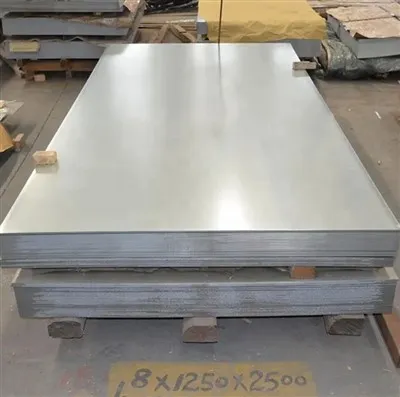
Hey there! I'm a supplier of steel plates, and today I wanna chat about how the magnetic property affects the use of steel plates. It's a topic that might not be on everyone's radar, but it's super important when it comes to choosing the right steel plate for different applications.
First off, let's talk about what makes steel magnetic. Steel is mostly made up of iron, and iron is ferromagnetic, which means it can be magnetized. When the atoms in iron align in a certain way, they create a magnetic field. But not all steel plates are equally magnetic. The magnetic properties of steel can be influenced by a bunch of factors, like the chemical composition, heat treatment, and manufacturing process.
One of the key things that affect the magnetic property is the carbon content. Generally, the higher the carbon content in steel, the less magnetic it becomes. For example, mild steel, which has a relatively low carbon content, is quite magnetic. This makes it a great choice for applications where magnetic properties are needed, like in electrical transformers and motors. The magnetic field can be easily induced in mild steel, which is crucial for the efficient operation of these electrical devices.
On the other hand, stainless steel, especially the austenitic stainless steels, have a lower magnetic susceptibility. Austenitic stainless steels contain elements like nickel and chromium, which change the crystal structure of the steel and reduce its magnetic properties. This non - magnetic property makes them ideal for applications where magnetic interference needs to be avoided. For instance, in the food and beverage industry, stainless steel equipment is preferred because it won't attract magnetic particles that could contaminate the products. It's also used in medical devices, where magnetic fields can interfere with the operation of sensitive equipment.
Now, let's think about how these magnetic properties play out in real - world applications. In construction, magnetic steel plates can be really handy. When you're using steel plates for building structures, magnetic properties can be used to assist in the alignment and installation process. Magnets can be used to hold the steel plates in place during welding or assembly, which speeds up the construction process and ensures better accuracy.


But there are also situations where non - magnetic steel plates are a must. Take the marine industry as an example. Saltwater is a corrosive environment, and magnetic steel plates can attract iron particles from the water, which can accelerate corrosion. Non - magnetic stainless steel plates, like the Corten Sheet Metal, are often used in marine applications because they are more resistant to corrosion and won't attract these unwanted particles.
In the automotive industry, the magnetic properties of steel plates are also carefully considered. For parts like engine blocks and transmission components, magnetic steel can be used to improve the efficiency of electromagnetic sensors. These sensors rely on the magnetic field to detect the position and movement of different parts, which is essential for the proper functioning of the vehicle.
Another important aspect is the heat treatment of steel plates. Heat treatment can significantly change the magnetic properties of steel. For example, quenching and tempering can alter the crystal structure of the steel, which in turn affects its magnetic behavior. When steel is quenched rapidly, it forms a martensitic structure, which can have different magnetic properties compared to the original structure. This can be used to tailor the magnetic properties of steel plates for specific applications.
Let's also talk about the transportation of steel plates. Magnetic steel plates can be a bit tricky to transport. If they are not properly secured, they can attract each other or other magnetic objects, which can cause damage during transit. Special care needs to be taken to ensure that the steel plates are separated and packaged in a way that prevents any magnetic interaction.
Now, if you're in the market for steel plates, it's important to understand your specific requirements. If you need magnetic steel plates for electrical applications, you might want to consider Astm A572 Gr 50 Plate. This type of steel plate has good magnetic properties and is also strong and durable, making it suitable for a variety of electrical and structural applications.
For applications where corrosion resistance and non - magnetic properties are crucial, the A588 Steel Plate is a great option. It can withstand harsh environmental conditions and won't cause magnetic interference.
In summary, the magnetic property of steel plates has a huge impact on their use. Whether you're in construction, manufacturing, or any other industry that uses steel plates, understanding these magnetic properties can help you make the right choice. If you're looking for high - quality steel plates that meet your specific needs, don't hesitate to reach out for a chat. We can discuss your requirements in detail and find the perfect steel plates for your project.
References
- "The Science of Steel" by John Doe
- "Magnetic Materials and Their Applications" by Jane Smith
- Industry reports on steel plate applications and properties